The Battle Review: Britpop Bickering and 90s Nostalgia in Blur vs Oasis Comedy
In 1995, the British music scene was electrified by a cultural showdown that came to symbolise a divided nation. The release of singles in the same week by Oasis and Blur sparked a rivalry that pitted the working-class north against the bourgeois south. This iconic moment is the focus of John Niven's new play, The Battle, currently showing at Birmingham Rep before moving to Manchester Opera House. However, while the production taps into a rich vein of 90s nostalgia, it struggles to translate the era's tension into compelling drama.
A Chair-Bound Production with Limited Action
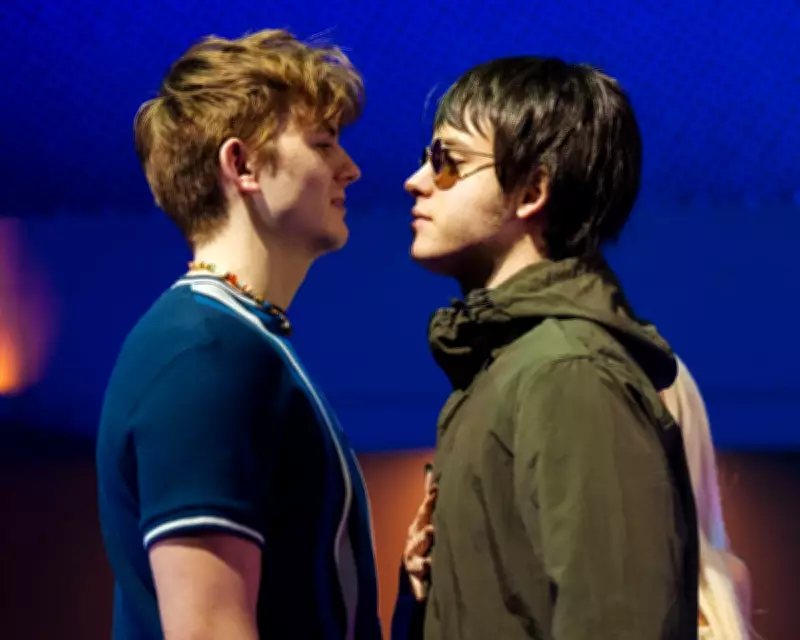
The play's set, designed by Fly Davis, features an abundance of seating—from deckchairs and bar stools to fancy couches—that characters rarely leave. This static staging reflects the script's tendency to replace dynamic conflict with mere quarrelling. Oscar Lloyd portrays Damon Albarn with a magnanimous air, while George Usher captures Liam Gallagher's manspreading bravado. Yet, their performances, along with those of Will Taylor as a bookish Graham Coxon and Paddy Stafford as a grimacing Noel Gallagher, often feel confined by the lack of physical movement.
Niven, a novelist turned playwright, covers key events like the Brit awards at Alexandra Palace and Oasis's party crashed by Blur. The script delves into infamous moments, such as Noel Gallagher's controversial wish for Blur members to "catch Aids and die," and Blur's debates over the sexual politics in their Country House video. However, these scenes rely heavily on dialogue rather than action, leaving the audience yearning for more visceral engagement.

Nostalgic Appeal but Ponderous Pacing
The Battle excels in feeding the audience's appetite for 90s nostalgia. A roll call of period references—including Shed Seven, Chris Evans, and Keith Allen—evokes the era's pop culture landscape. Beavis and Butt-Head-style cartoons cover scene changes, adding a playful touch. Despite these elements, the production, directed by Matthew Dunster, feels resolutely chair-bound for much of its runtime.
The play's pacing is further hampered by ponderous transitions, though a Tarantino-esque finale attempts to inject dramatic momentum. This abrupt shift, while jarring and silly, creates a fleeting illusion of action that contrasts sharply with the preceding stillness. It highlights the production's struggle to balance humour with the weight of its historical subject matter.
Symbolism of a Divided Nation
At its core, The Battle explores how Blur and Oasis came to represent broader societal divisions. Their chart battle—with Oasis's Roll With It versus Blur's Country House—was more than a musical competition; it was a cultural referendum. Niven's script touches on these themes, but often reduces them to bickering between band members, missing opportunities to delve deeper into the era's social tensions.
The production's focus on nostalgia over drama may appeal to Britpop enthusiasts, but it leaves the uninitiated wanting more substance. As the play continues its run, it serves as a reminder of pop's last great moment of cultural tension, even if it fails to fully capture its energy.