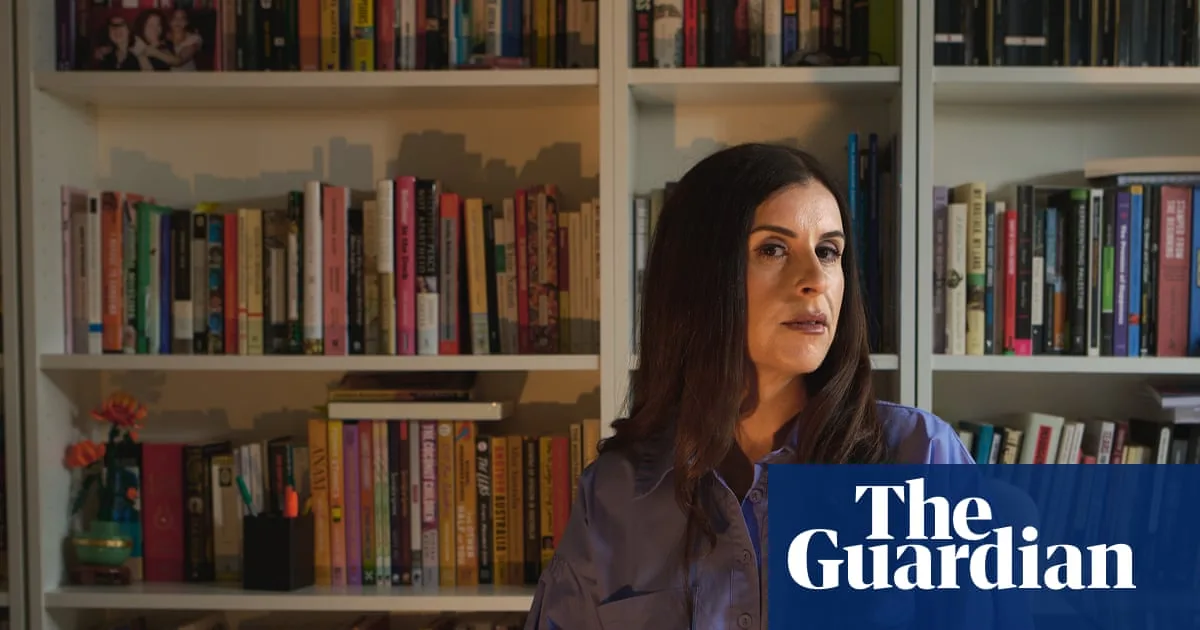
Global accounting firm KPMG has requested that its name be removed from the Sydney Writers' Festival website, where it was listed as a corporate partner, after the festival confirmed Palestinian Australian academic Randa Abdel-Fattah as a speaker for two sessions in 2026.
A KPMG spokesperson said on Thursday that the firm is the festival's auditor, not a partner, and that this has now been reflected on the website. The spokesperson declined to confirm whether Abdel-Fattah's scheduling prompted the move but acknowledged receiving calls of concern on the issue. KPMG has provided discounted auditing services to the festival since 2023 and had previously been comfortable with the partner description.
The festival stated that KPMG does not consider itself a partner, per the firm's own statement, and that the website now reflects this. The festival expressed gratitude to all its partners and supporters.

Abdel-Fattah's participation in literary events has become contentious. In January, Adelaide Writers' Week disinvited her on grounds of 'cultural sensitivity' after a terror attack at Bondi Beach, leading to the resignation of its board and cancellation of the event. Objections to her inclusion stem from a 2024 social media post stating, 'If you are a Zionist, you have no claim or right to cultural safety,' and other posts, including one wishing 'May 2025 be the end of Israel' and a profile picture change to a Palestinian paratrooper after the 7 October attacks. Abdel-Fattah later told the ABC she used the image when unaware of the death toll.
The Sydney festival's chief executive, Brooke Webb, said the event is 'not in the business of cancelling or censoring writers.' Alex Ryvchin of the Executive Council of Australian Jewry called the inclusion 'a deliberate provocation and a middle finger to the Jewish community.' NSW Premier Chris Minns described it as a 'head-scratcher' and 'crazy,' while Arts Minister John Graham urged lowering the temperature of debate, noting that cancelling programs can have the opposite effect of social harmony.