Southbank Centre Listed: Ministers Must Now Fund Innovation Alongside Heritage
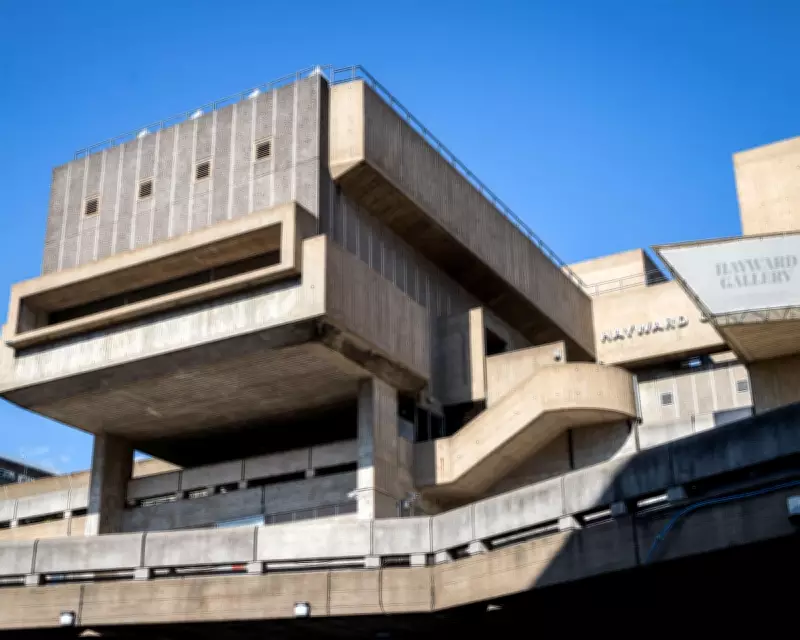
The government's bold decision to grant Grade II-listed building status to the brutalist concrete Southbank Centre in London marks a significant embrace of this iconic arts complex. Comprising the Queen Elizabeth Hall, Hayward Gallery, and Purcell Room, this listing is both timely and symbolic, arriving seventy-five years after the transformative 1951 Festival of Britain reshaped the South Bank.
From its postwar origins, the South Bank has evolved into a cultural landmark with global recognition. The Thames Path section, encompassing the Southbank Centre, BFI cinemas, Royal National Theatre, Tate Modern, and Shakespeare's Globe, now stands as a flourishing successor to Victorian cultural precincts like the Kensington museums. The festival aimed to aid national recovery from the trauma of World War II and foster hope for a better future. This month's listing of the 1960s component of the Southbank Centre validates that enduring vision of optimism and progress.
Architectural Debate Concluded
In architectural terms, the listing resolves a decades-long argument about postwar Britain's built environment. Previous recommendations to list the centre, completed in 1968, were rejected, while Sir Denys Lasdun's nearby Royal National Theatre received listed status over thirty years ago. Unlike Lasdun's theatre, the Southbank Centre—designed by a London county council team led by Norman Engleback—has always been divisive. In 1967, the Daily Mail famously asked, "Is this Britain's ugliest building?" reflecting the polarised opinions it inspired.

While millions have enjoyed exhibitions and performances in its venues, the centre's grey, blocky appearance, maze of walkways, and undercroft do not appeal to everyone. For some, it is bleak and oppressive; for others, monumental and public. Brutalism's uncompromising nature ensures it will never be universally liked, but the era when such edifices were seen as blots to be erased is thankfully over. Cultural references, like Catherine O'Flynn's novel inspired by the demolition of John Madin's Birmingham Central Library or Adrien Brody's Oscar-winning role as a brutalist architect, highlight a growing appreciation. Public housing projects such as Ernö Goldfinger's Trellick Tower in London and Park Hill in Sheffield now feature on merchandise, signalling a shift in public perception.
Conservation Demands Support
However, while the Southbank Centre shares architectural kinship with these structures, its purpose as an arts hub is distinct. With conservation now paramount due to the listing, ministers must ensure the buildings remain functional and vibrant. Recent decades have seen multiple failed redevelopment schemes aimed at increasing commercial space to improve finances and reduce grant dependency, with plans to relocate the riverside skatepark proving particularly contentious.
This listing draws a line under such proposals, making future alterations far more difficult. Consequently, ministers must also back the artists and curators who keep the place alive. The centre's origins lie in a moment when Britain believed the state should build boldly for the public good. Having ruled against redevelopment, the government must now demonstrate support for contemporary innovators. The Southbank Centre has requested £30m in funding, a crucial investment to sustain its cultural legacy and ensure it continues to inspire future generations.