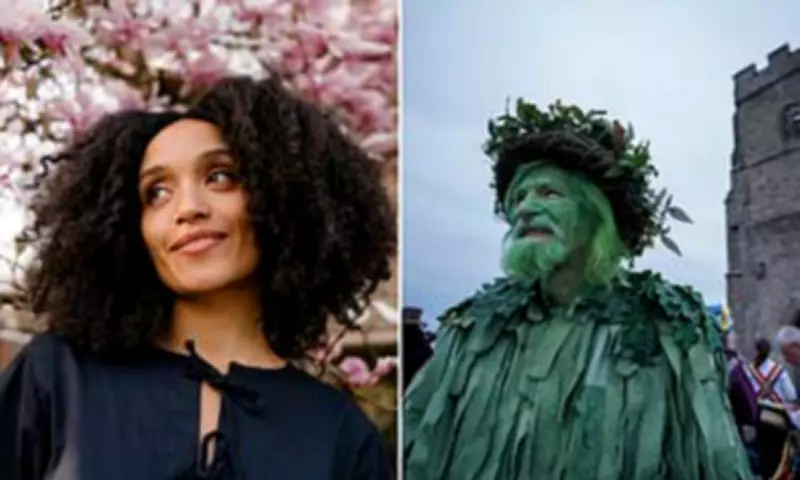
Over four thousand miles from the British Isles, a vibrant cultural practice thrives on an island in the Grenadines. Locals don colourful costumes and embark on door-to-door visits, where they recite Shakespearean speeches to one another. This lively exchange sometimes escalates into playful blows when a line is misremembered, adding a dynamic twist to the tradition.
The Origins of Shakespeare Mas and Mumming
This custom, known as 'Shakespeare Mas', has its roots deeply embedded in the English folk tradition of 'mumming'. Mumming was a popular house-visiting custom and folk play that flourished during the medieval period and continued through the 18th and 19th centuries. It involved performers disguising themselves and enacting plays or recitations, often during festive seasons.
The adaptation of this practice in the Grenadines serves as a compelling example of how Great Britain's folk history has diversified and evolved across the globe. This fascinating insight is highlighted in the work of writer, DJ, and broadcaster Zakia Sewell, whose book delves into the rich tapestry of British folklore, myths, and legends.

Uncovering the Mythical Albion
At the core of Sewell's exploration is the concept of Albion, the oldest known name for Britain, dating back to as early as the 4th century BC. According to legend, Albion derived its name from a dramatic tale involving King Diodicias, whose origins are uncertain but may be Syrian or Greek. After his daughter Albina and her thirty sisters murdered their husbands, they were exiled and forced to sail until they discovered an uninhabited island, which Albina named Albion.
The story takes a darker turn as the women were seduced by incubi, leading to the birth of giants. These giants were later slain by the Trojan hero Brutus in Geoffrey of Monmouth's 12th-century work, Historia Regum Britanniae (History Of The Kings Of Britain), before he founded 'Britain'. This mythological narrative underscores the complex and often tumultuous origins of British identity.
A Pilgrimage Through British Traditions
Inspired by a 'call of Albion' during her teenage years, Sewell embarks on a pilgrimage across Britain, immersing herself in various cultural celebrations. She participates in events such as the Summer Solstice and the Autumn Equinox, meeting druids on Glastonbury Tor, observing May Day Morris Dancers, and encountering Nottinghamshire poachers.
Her journey also takes her to Hebridean cottages once frequented by author Robert Louis Stevenson, now used by an organic commune. Through these experiences, Sewell paints a vivid picture of a Britain defined by community, togetherness, and enduring traditions, showcasing how these elements continue to shape national identity.
The Darker Side of British History
However, Sewell's narrative is not solely focused on lighthearted festivities. She weaves in Britain's imperial history, which presents a sombre contrast. For instance, some far-Right nationalists have co-opted Albion as a symbol of purity and intrinsic white Britishness, highlighting issues of exclusion and nationalism.
Additionally, the book addresses grim historical events, such as the slave trade and 12th-century anti-Semitism that led to around 150 Jews committing suicide. These reminders serve to underscore that Britannia's past is far from uniformly glorious, adding depth to the exploration of national identity.
Rediscovering Diversity in Ancient Britain
Amidst these darker themes, Sewell offers refreshing insights, such as the discovery of the Ivory Bangle Lady. This Roman woman, buried in York, has been scientifically identified as mixed race, challenging traditionalist views and revealing an ancient Britain that was more racially diverse than often assumed.
Sewell's lively writing style captures the passion of individuals striving to breathe new life into British traditions. By the conclusion of her journey, she ponders whether embracing the spirit of Albion could enhance collective happiness, especially in light of a 2024 study that ranked Britain as the second most miserable country globally, just behind Uzbekistan.
This thought-provoking connection suggests that reclaiming ancient traditions might offer a pathway to lifting spirits and fostering a greater sense of community in contemporary society.