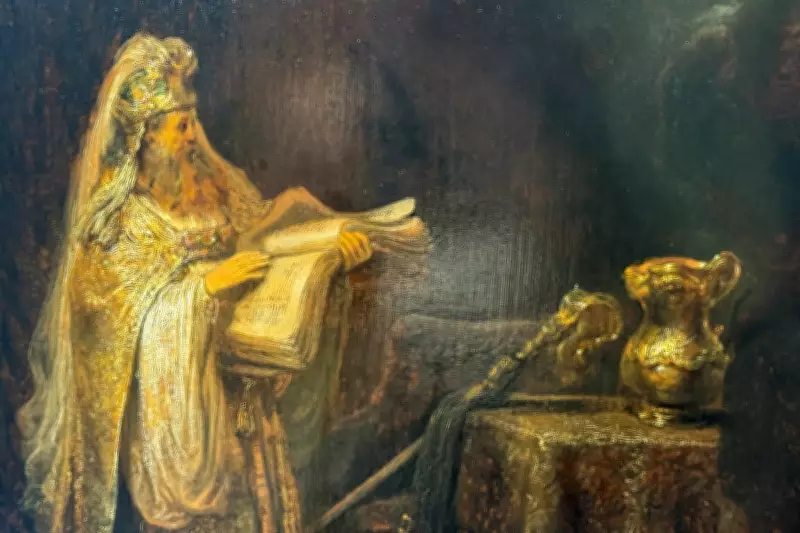
A painting titled "Vision of Zacharias in the Temple" has been definitively authenticated as a genuine work by the Dutch master Rembrandt van Rijn, following an exhaustive two-year study conducted by researchers at the Rijksmuseum in Amsterdam. This significant discovery confirms that the artwork was painted by Rembrandt in 1633, during his late twenties, marking a pivotal moment in art history.
Advanced Techniques Used for Verification
Experts employed a range of sophisticated analytical methods to verify the painting's authenticity. These included detailed material analysis, signature confirmation, and dendrochronological tests, which examine tree-ring patterns in the wood panel to date the artwork accurately. The use of such advanced techniques was crucial in overturning a previous decision from 1960, when the painting was removed from Rembrandt's attributed works due to less precise analytical methods available at the time.
Biblical Scene and Historical Context
The artwork depicts the biblical moment when Zacharias receives news from the archangel Gabriel, a theme that aligns with Rembrandt's known interest in religious subjects during his early career. This authentication not only restores the painting to its rightful place in Rembrandt's oeuvre but also provides deeper insights into his artistic development and techniques during the 1630s.

Public Display and Ownership
Currently on long-term loan from an anonymous private collector, the painting is now on public display at the Rijksmuseum for the first time in decades. This exhibition offers art enthusiasts and scholars a rare opportunity to view a newly confirmed masterpiece by one of history's most celebrated artists. The museum's efforts in authenticating and showcasing the work highlight its commitment to preserving and sharing cultural heritage.
The authentication process involved collaboration between art historians, scientists, and conservators, underscoring the interdisciplinary approach required in modern art research. This discovery reinforces the importance of continuous re-evaluation in the art world, as technological advancements allow for more accurate attributions of historical works.