Red Thread of Fortune: Lunar New Year's Vibrant Symbolism Across Asia
During the Lunar New Year, the color red emerges as a powerful symbol of luck and reunion, threading its way through both public festivities and intimate domestic spaces. This vibrant hue is believed to call people home and carry heartfelt wishes for the year ahead, creating a visual tapestry of hope and tradition.
A Color Steeped in Promise and Ritual
Across much of Asia, where the festival is celebrated as the Spring Festival, Tet, or Seollal, red holds deep cultural significance. It is intricately woven into rituals long thought to gather communities against darkness and draw good fortune closer. From grand public displays to quiet household corners, red serves as a unifying thread that connects generations and geographies.
This year's celebrations herald the Year of the Horse, one of the twelve revered animals in the Chinese zodiac. The horse symbolises energy, perseverance, and success, adding another layer of meaning to the festivities. As families and communities come together, red decorations adorn entrances, linger along walls, and wrap around traditional foods, infusing every moment with symbolic resonance.

From Public Spectacles to Personal Spaces
Photographs capturing the essence of Lunar New Year reveal how red permeates every aspect of the celebration. In public squares and temple grounds, red lanterns sway in the breeze, while banners and flags create a sea of crimson. The color dances in the smoke of incense, lifting and thinning into the air as prayers ascend.
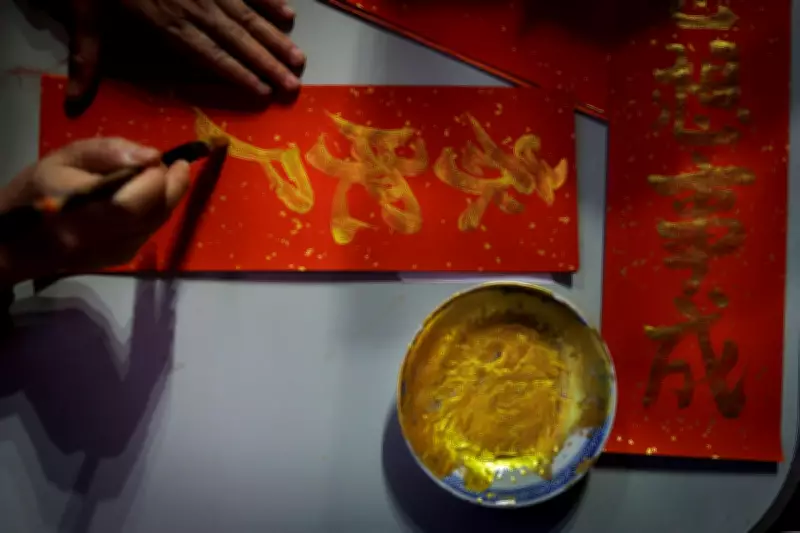
In more intimate settings, red manifests in subtler yet equally meaningful ways. It threads through handwritten wishes on lucky money envelopes, known as hongbao or lai see, and embellishes clothing worn for family reunions. From the vibrant hues of festival costumes to the delicate red patterns on porcelain teacups, the color weaves a narrative of continuity and hope.
A Tapestry of Tradition and Modernity
The enduring presence of red during Lunar New Year highlights how ancient traditions adapt to contemporary life. Urban landscapes are transformed by red decorations that bridge the gap between historic customs and modern celebrations. Whether in bustling city centres or tranquil rural villages, the color red acts as a beacon of cultural identity and shared heritage.
As the Year of the Horse begins, the symbolism of red reminds participants of the interconnectedness of past, present, and future. It is a color that not only decorates spaces but also enriches the spiritual and emotional fabric of the festival, ensuring that the promises of luck and reunion resonate deeply across communities.