Ramses II: The Ancient Pharaoh's Ego Takes Centre Stage in London Exhibition
A remarkable collection of 3,000-year-old artefacts has arrived at Battersea Power Station in south-west London, offering a fresh perspective on Egypt's most ambitious and self-aggrandising pharaoh, Ramses II. The exhibition, titled Ramses and the Pharaohs' Gold, features treasures from the Egyptian Museum in Cairo, providing a unique opportunity for this formidable ruler to emerge from the shadow of the more famous Tutankhamun.
The Mummy and the Coffin: A Glimpse into Immortality
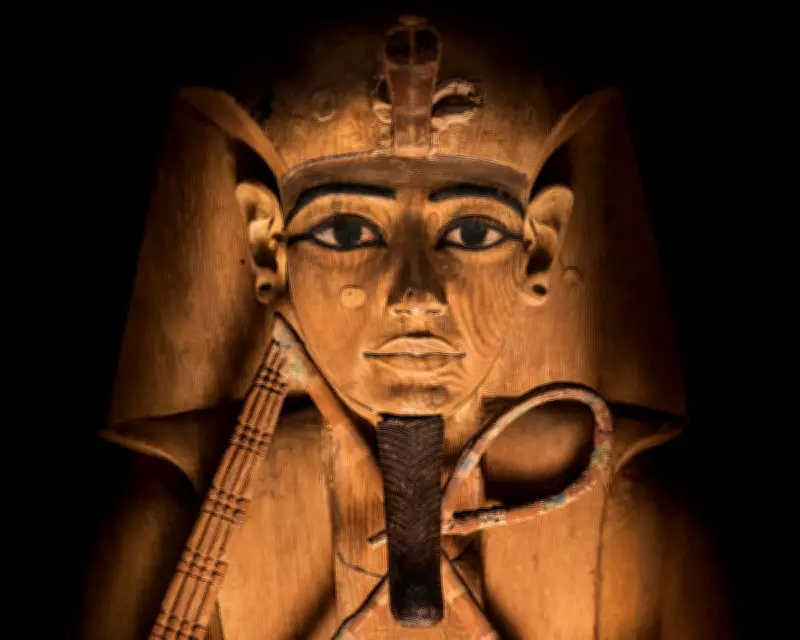
Ramses II, often spelled Ramesses, ruled ancient Egypt for an impressive 66 years, fathering over 100 children and engaging in numerous military campaigns to expand his empire. His mummy, a masterpiece of embalming art, reveals a proud, beaky nose and a hand that eerily seems to reach for power from beyond the grave. While the mummy itself is not on display, visitors can marvel at the coffin in which it was discovered, a testament to the pharaoh's quest for eternal glory.
Despite his achievements, Ramses has often been overshadowed by Tutankhamun, whose intact tomb, discovered in 1922, catapulted him to global fame. Ramses, who worked tirelessly through wars, peace deals, and monumental construction projects, would likely be disgusted by this turn of events, as he believed he deserved recognition for his efforts.

Self-Aggrandisement and Artistic Propaganda
Ramses II's ego is vividly displayed through his architectural and artistic commissions. At the Great Temple of Abu Simbel, he replaced traditional statues with four colossal 20-metre-high seated figures, each depicting himself. This act of self-promotion draws parallels to modern figures like Donald Trump, earning Ramses the nickname "the Donald Trump of ancient Egypt."
In the British Museum, a colossus of Ramses from his mortuary temple, the Ramesseum, towers over visitors with a serene and graceful expression. However, this stylised portrayal contrasts sharply with his actual appearance, as evidenced by his mummy. This deliberate rejection of realism was part of a broader cultural revival, following the rule of the heretic pharaoh Akhenaten, who had embraced more expressionist art.
Historical Context and Legacy
Ramses II was a significant historical actor, engaging in epic international wars, such as the Battle of Kadesh in modern-day Syria, and negotiating peace treaties with the Hittite empire to counter the rising Assyrian threat. His influence extended to the Israelites, with references in the Book of Exodus suggesting he was the tyrannical pharaoh who held them captive before Moses led their liberation.
Despite his efforts, Ramses' legacy has been shaped by literature, particularly Percy Bysshe Shelley's poem Ozymandias, which mocks the fleeting nature of power and ambition. The poem describes a shattered statue in the desert, with an inscription boasting, "Look on my works, ye Mighty, and despair," highlighting the irony of imperial decay.
The Exhibition's Impact and Significance
The Ramses and the Pharaohs' Gold exhibition at Battersea Power Station runs until 31 May, offering a chance to reassess this complex pharaoh. Through gold-plated masks, intricate coffins, and detailed reliefs, the display underscores Ramses' enduring claim on history. While Shelley's poem suggests that tyrants' boasts are obliterated by time, this exhibition proves that Ramses' legacy continues to captivate and challenge our understanding of ancient Egypt.
In a world where Tutankhamun often dominates popular imagination, this collection invites visitors to look beyond the boy king and appreciate the grandeur and ambition of Ramses the Great. His story serves as a reminder of the intricate interplay between power, art, and memory in human history.