World's Oldest Indoor Circus Receives Major Restoration in Paris
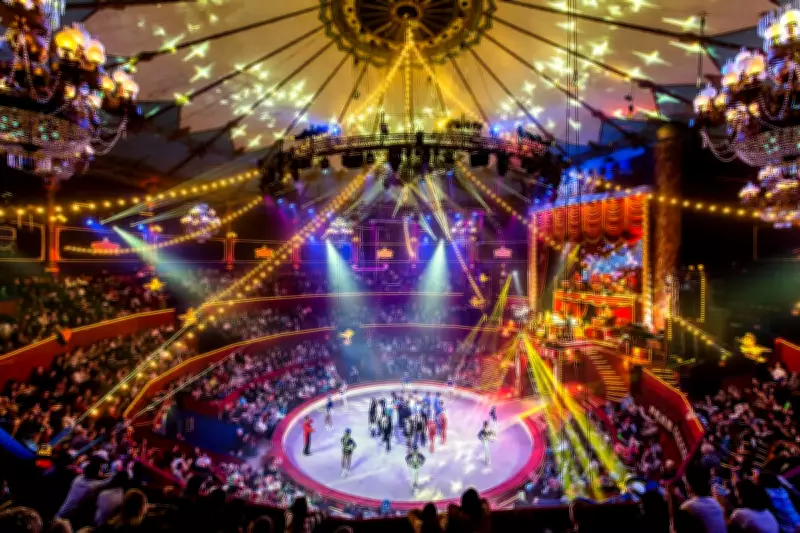
The French government has committed to a significant restoration project at the historic Cirque d'Hiver in Paris, the world's oldest indoor circus, which first opened its doors in 1852 under Napoleon III. Located in the city's 11th arrondissement, this iconic venue is set to undergo extensive renovations to return it to its former glory, with work expected to span several years to avoid disrupting performances.
Rediscovering Hidden Artistic Treasures
A key focus of the restoration is the uncovering and preservation of twenty large murals that adorn the interior walls of the performance ring. These paintings, which have been concealed behind wood panelling since the 1950s, depict historical scenes including daring equestrian feats and acrobatic displays, reflecting the circus's traditional performances that continue today.
"We removed the panels last week to check that the paintings are still there. There's some water damage, but they are recoverable, which is a huge relief," stated Stéphane Millet, the architect overseeing the project, in an interview with the Times. "Their artistic and cultural value had been underestimated, but they form a spectacular historical panorama, retracing the history of France from ancient times."

Mr Millet elaborated on the murals' significance, noting: "The murals show the Gauls fighting the Romans. The creators of Asterix weren't the first to realise the importance of that part of our national narrative. These paintings tell us a lot about how the French viewed themselves in the 19th century."
Comprehensive Interior Refurbishment
Beyond the murals, the renovation project includes:
- Refurbishment of windows previously obscured by thick curtains
- Revamping of seats and carpets to enhance audience comfort
- Preservation of the stone exterior, which features a depiction of a circus tent and was renovated nearly two decades ago
The interior work will be phased over multiple years to minimise impact on the circus's ongoing schedule, ensuring that this cultural landmark remains operational throughout the process.
Historical Significance and Funding
Cirque d'Hiver holds a prominent place in circus history, notably as the site where Jules Léotard performed the first-ever flying trapeze act in 1859, leading to the naming of the leotard after his signature skin-tight costume. The restoration is projected to cost several million euros, with exact figures undisclosed, and is jointly financed by the French culture ministry and the Bouglione family, who own the venue.
This use of public funds has sparked controversy amid France's deepening deficit, but Mr Millet defended the investment: "This is a site of huge historical significance. The French are extremely attached to their cultural heritage and the Cirque d'Hiver has become a symbol of 19th-century Paris."
The restoration aims to safeguard this cherished institution for future generations, blending its rich past with modern enhancements to maintain its status as a beloved Parisian landmark.