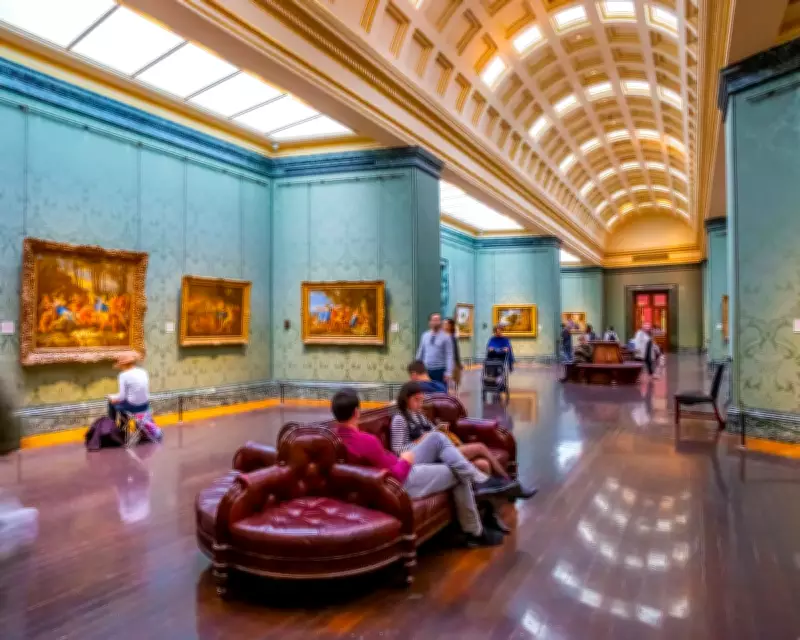
National Gallery Funding Crisis: A Threat to Public Access
The National Gallery, one of the United Kingdom's most iconic cultural institutions, is currently grappling with a severe funding crisis that jeopardises its ability to maintain operations and provide free public access. This financial shortfall has sparked widespread concern among art enthusiasts, policymakers, and the general public, who fear that the gallery's world-renowned collections could become less accessible.
Roots of the Financial Strain
The crisis stems from a combination of factors, including rising operational costs, inflationary pressures, and reduced government funding in recent years. As a result, the gallery has been forced to consider drastic measures, such as increasing admission fees or cutting back on essential services like conservation efforts and educational programmes. These potential changes threaten to undermine the gallery's core mission of making art available to all, regardless of economic background.
Public outcry has been mounting, with many arguing that the burden of this funding gap should not fall on ordinary citizens. Critics point out that cultural institutions like the National Gallery play a vital role in society, fostering education, tourism, and national pride. They emphasise that sustainable funding models must be developed to ensure long-term stability without compromising public access.

Calls for Government Intervention
Experts and advocacy groups are urging the government to step in with increased financial support and innovative funding strategies. Suggestions include public-private partnerships, enhanced philanthropic donations, and targeted grants that prioritise cultural preservation. Without such interventions, there is a real risk that the gallery's financial woes could lead to a decline in its global standing and a loss of valuable cultural heritage.
The situation at the National Gallery serves as a stark reminder of the broader challenges facing public institutions in an era of economic uncertainty. As debates continue, the consensus remains clear: the public should not have to pay the price for this funding crisis, and proactive measures are needed to safeguard the gallery's future for generations to come.