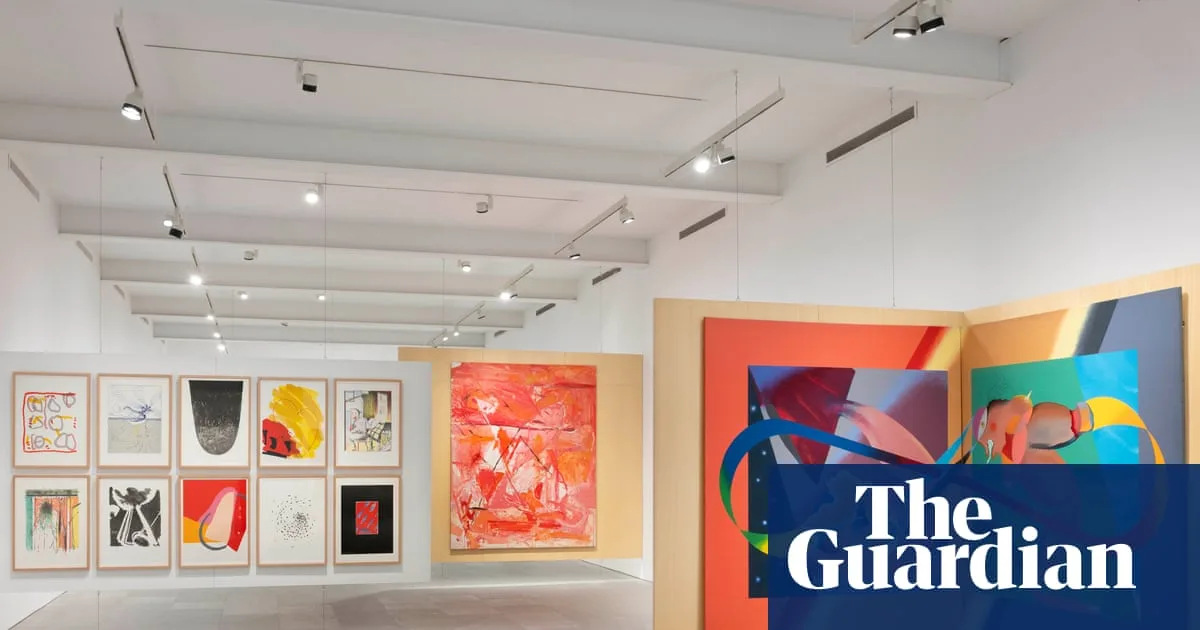
The Reina Sofía museum in Madrid has opened a major rehang of its contemporary collection, featuring 403 works that explore Spain's social and political transformation since the death of Francisco Franco in 1975. The new exhibition, titled Contemporary Art: 1975 to the Present, begins with Juan Genovés's painting Document No …, depicting a shackled detainee, symbolising the arbitrary repression of the Franco regime.
The three-year reorganisation is described by museum officials as a 'critical reinterpretation' rather than a simple reshuffle. Almost two-thirds of the pieces have never been exhibited in the permanent collection. The display examines how artists have responded to key historical events, including Spain's transition to democracy, the hedonistic Movida madrileña, the AIDS epidemic, second-wave feminism, and environmental awareness.
Alongside international names such as Nan Goldin, Robert Mapplethorpe, and Peter Hujar, the exhibition highlights Spanish artists like photographer Carlos Bosch, who documented the first gay pride march in 1977, and queer activist José Pérez Ocaña, who subverted Catholic rituals. The dark side of the Movida is represented by Iván Zulueta's horror film Arrebato and Alberto García-Alix's poignant photograph En ausencia de Willy, a memorial to his brother who died from a heroin overdose.
The AIDS epidemic is evoked through Hujar's catacomb photographs and Pepe Miralles's installation Ajuares, which collects everyday objects from a friend's illness, including antiretroviral drugs and soft toys. Museum director Manuel Segade said the aim is to create an open narrative that allows visitors to grasp 'the diversity, quality and discursive potential of contemporary Spanish art', ensuring the collection remains open to future revision.