The Last Traditional Clog Maker in England: A Dying Craft's Final Stand
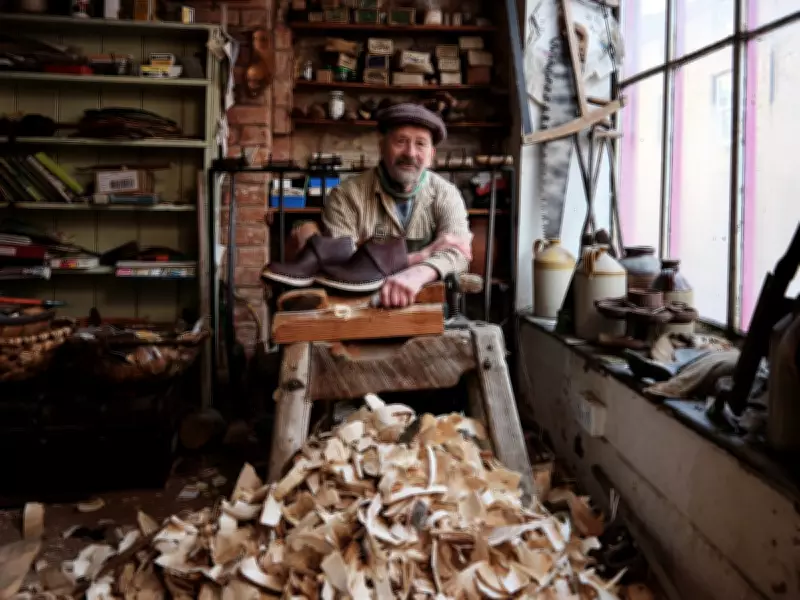
In a quiet corner of Yorkshire, a solitary artisan continues a centuries-old tradition that is on the brink of extinction. John Smith, believed to be the last traditional clog maker in England, operates from a small, wood-panelled workshop filled with the scent of leather and wood shavings. His craft, once a thriving industry across the UK, now faces an uncertain future as demand dwindles and skills fade.
A Legacy of Craftsmanship
Clog making dates back to the medieval period in England, with these sturdy wooden shoes historically worn by workers in industries such as mining, farming, and textiles. Smith learned the trade from his father, who in turn inherited it from previous generations, creating a lineage that spans over a hundred years. Using traditional tools like drawknives, awls, and lasts, he handcrafts each pair from locally sourced alder or sycamore wood, paired with leather uppers.
The process is labor-intensive and requires immense skill: from carving the wooden soles to fitting the leather precisely, ensuring durability and comfort. Smith notes that a single pair can take up to two days to complete, a stark contrast to modern mass-produced footwear.

Challenges in a Modern World
Despite a niche market for heritage products, Smith struggles to sustain his business. The rise of cheap, imported footwear and changing fashion trends have drastically reduced demand for traditional clogs. Additionally, there are no apprentices willing to learn the craft, putting it at risk of disappearing entirely. Smith expresses concern that when he retires, this piece of English cultural heritage might vanish forever.
"It's not just about making shoes; it's about preserving a part of our history," he says, highlighting the cultural significance of his work. He occasionally receives orders from museums, historical reenactors, and enthusiasts, but these are insufficient to ensure long-term viability.
Efforts to Preserve the Craft
Local heritage groups and cultural organisations have attempted to raise awareness through workshops and exhibitions, but funding and public interest remain limited. Smith has participated in events to demonstrate his techniques, hoping to inspire a new generation. However, without formal support or a revival in practical use, the future looks bleak.
- The craft is listed as endangered by heritage bodies.
- Smith's workshop is one of the last of its kind in the country.
- Efforts to digitise patterns and techniques are underway for archival purposes.
As Smith continues his work, each pair of clogs serves as a testament to a bygone era, reminding us of the value of handcrafted traditions in an increasingly automated world.