Rare Tudor Locket Acquired by British Museum for £3.5 Million
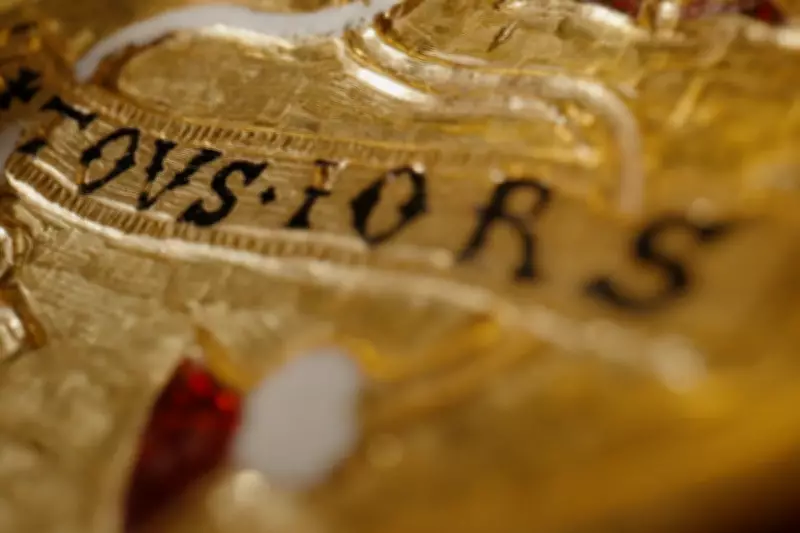
A remarkable heart-shaped gold locket, discovered by an amateur detectorist and purchased by the British Museum for £3.5 million, is believed to be connected to King Henry VIII and his first wife, Katherine of Aragon. This exquisite jewel, adorned with the initials H and K linked by a Tudor rose and a pomegranate, along with the French word 'Toujours' meaning 'always', offers a fascinating glimpse into the early years of their marriage, challenging Henry's later reputation as a harsh and unloving husband.
Symbols Point to Royal Affection and Personal Connection
The locket's design features monograms and symbols that were commonly used in royal commissions during Henry and Katherine's union. The linked H and K initials, combined with the Tudor rose representing the English monarchy and the pomegranate emblem associated with Katherine of Aragon, suggest a strong personal bond. Experts argue that these elements align closely with items from the couple's early years together, indicating a period of genuine affection and marital harmony before their relationship deteriorated.
Discovery in Warwickshire Adds Poignant Historical Context
Found in Warwickshire, where the royal couple travelled after the birth and death of their son Henry in 1511, the locket's location adds a deeply poignant layer to its story. This discovery hints that the jewel might have served as a memento of their lost child, imbuing it with tragic significance. While an alternative theory proposes the locket marked the betrothal of their daughter, Princess Mary, most historians contend that its symbolism and timing better fit the narrative of Henry and Katherine's early relationship and personal grief.

Insights into Tudor History and Royal Commissions
The acquisition of this locket by the British Museum provides valuable insights into Tudor-era artistry and royal symbolism. It underscores how such jewels were not merely decorative but often carried profound personal and political meanings. By studying this artifact, researchers hope to deepen our understanding of Henry VIII's complex character and his interactions with his six wives, particularly highlighting a more nuanced view of his marriage to Katherine of Aragon beyond the well-known tales of divorce and conflict.