Kalamata's Award-Winning Mural Blends Opera and Agriculture for Climate Message
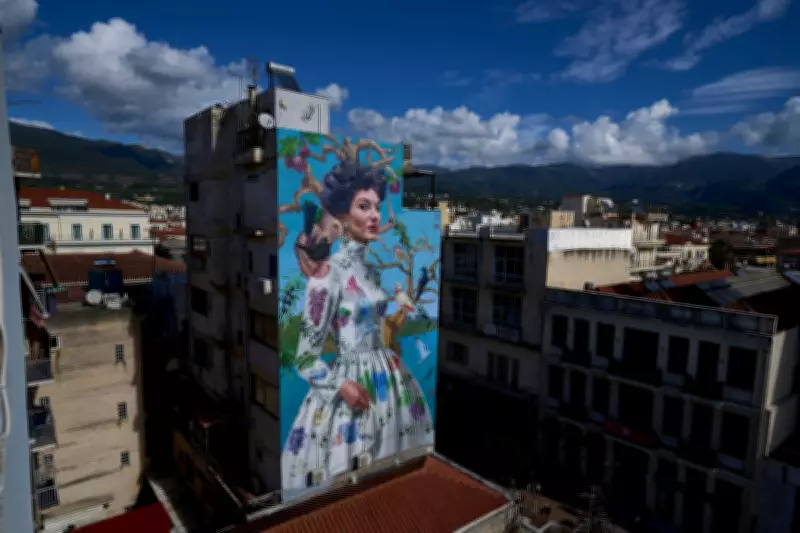
The southern Greek city of Kalamata, renowned globally for its olives and coastal allure, has captured international attention through a monumental mural that reimagines legendary soprano Maria Callas as a symbol of the city's identity and environmental aspirations. This towering artwork, adorning a central building facade, has been honoured as the 2025 "Best Mural of the World" by Street Art Cities, a prestigious platform dedicated to celebrating street art worldwide.
Connecting Culture and Sustainability Through Public Art
Located approximately 240 kilometres southwest of Athens, Kalamata is a hub for cultivating world-famous olives, figs, and grapes, elements prominently featured in the mural. Vassilis Papaefstathiou, deputy mayor of strategic planning and climate neutrality, explained that the city aims to become climate-neutral by 2030, an ambitious goal shared by few Greek municipalities. He and other civic leaders sought to make abstract concepts like sustainable development, agri-food initiatives, and local economic growth more tangible for the city's nearly 73,000 residents.
"We wanted it to reflect a very clear and distinct message of what sustainable development means for a regional city such as Kalamata," Papaefstathiou stated. "We aimed to create an image that combines the humble products of the land, such as olives and olive oil—which are internationally famous and have put Kalamata on the map—with high-level art."

By merging elevated artistic expression with the simplicity of agricultural heritage, the mural aims to empower residents and strengthen their local identity, fostering pride in being Kalamatians. This initiative comes as southern Greece grapples with heatwaves, droughts, and wildfires that threaten the olive groves central to the regional economy.
Maria Callas as an Allegorical Figure for Kalamata
The mural depicts Maria Callas, celebrated as one of the greatest opera singers of the 20th century and a national cultural icon in Greece. Although born in New York to Greek immigrant parents, her father hailed from a village south of Kalamata, making her a local figure of pride. This connection is reinforced by the Kalamata music school's alumni association named after Callas and a cultural centre exhibition featuring letters from her personal archive.
Artist Kleomenis Kostopoulos, 52, clarified that the mural is titled "Kalamata" rather than "Maria Callas," serving as an allegorical representation of the city itself. He avoided a stylised depiction of the diva, opting instead for a grounded, human portrayal that incorporates elements linking people to their land, such as tree branches, native birds, and agricultural products.
"The dress I create on Maria Callas in 'Kalamata' is essentially all of this bloom and fruition," Kostopoulos said. "The blessed land that Kalamata itself has is where all these natural elements originate."
Artistic Process and Broader Impacts on Community
Creating the mural was a challenging endeavour, requiring about two weeks of active work spread over a month due to unfavourable weather conditions. Kostopoulos utilised brushes, spray paint, and a cherry-picker to access all areas of the expansive wall. Papaefstathiou noted that the mural has become a focal point, significantly enhancing the city's promotion as a tourist destination.
Beyond tourism, the artwork has ignited discussions about public art, with more building owners in Kalamata expressing interest in hosting murals. Tourism educator Dimitra Kourmouli remarked, "All of us—residents, and I personally—feel immense pride."
Kostopoulos hopes the award will amplify the visibility of public art in Greece, highlighting its cultural, social, educational, and economic benefits. "We see that such modern interventions in public space bring tremendous benefits to a place," he said. "These are good springboards for conversations that I hope will someday occur more widely in our country."