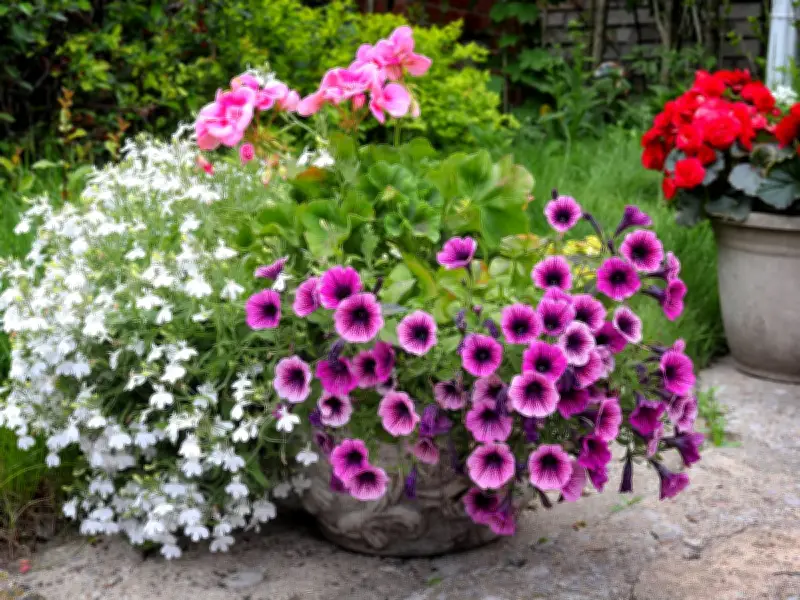
June marks the peak of the flowering season for many garden plants across the UK, with petunias, geraniums, roses, and salvia all in full bloom. This also means deadheading season is well underway. Removing faded flowers not only keeps plants tidy but also extends their lifespan and encourages repeat flowering.
Why Deadheading Matters
According to gardening expert James Ewens at Green Feathers, deadheading is "essential" for "long-lasting blooms." He explains: "June is the month of the bloom when gardens begin bursting with colour. For long-lasting blooms, deadheading is essential. All you need to do is remove faded flowers from bedding plants, roses and summer perennials to encourage plants to continue producing new blooms rather than focusing energy on seed production."
Simple Steps for Key Plants
The expert advises picking sweet peas regularly, while containers and hanging baskets benefit from weekly feeding to maintain healthy, vibrant displays. This task requires just a few minutes each day, but James notes that "a little deadheading goes a long way."

While not every plant requires deadheading, carefully removing spent flowers from certain varieties can be very rewarding. Petunias, one of the most popular summer plants, benefit from simply plucking away spent blooms every few days as you spot them.
Geraniums, another much-loved annual that produces striking clusters of vivid flowers throughout summer, also need attention. If left undeadheaded, they turn brown and become mushy. To deadhead geraniums, use sharp shears to cut at the base of the flower stalk.
For those growing reblooming rose varieties, June is an excellent month to start deadheading to encourage the next wave of flowers. Use clean, sharp shears to remove faded flowers just above the first set of five or more healthy leaves.
Salvia is a beloved perennial for its plentiful flowers, which attract pollinators and create a stunning display from spring onwards. To keep these blooms flourishing well into summer, start deadheading in June. This also helps gardeners maintain control over growth. To deadhead salvia, wait until roughly two-thirds of the blooms on a flower spike have turned brown, then cut where the stem meets the highest set of leaves.