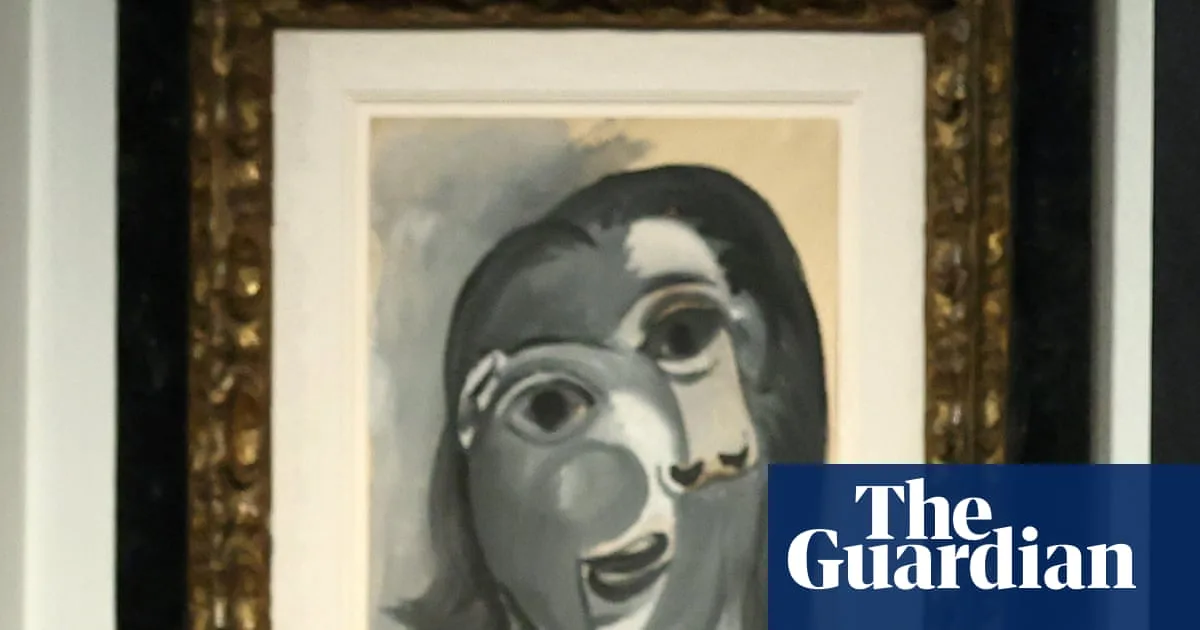
A Paris-based software engineer has won a Picasso painting valued at over €1m (£870,000) after purchasing a €100 ticket in a charity raffle. Ari Hodara, 58, said he initially feared the win was a hoax when he received a video call from Christie’s auction house informing him of his prize.
Hodara discovered the raffle by chance while dining out over the weekend and decided to buy a ticket. The painting, titled Head of a Woman, was created in 1941 and depicts the artist’s longtime muse and partner, Dora Maar. It is the third iteration of the “1 Picasso for €100” lottery, which supports Alzheimer’s research.
Organisers confirmed that all 120,000 tickets were sold, raising €12m (£10.4m). Of this, €1m will go to the Opera Gallery, which owned the work, with the gallery’s founder noting that a preferential price was offered. Hodara said he plans to keep the painting and share the news with his wife.
Picasso’s grandson, Olivier, described the raffle as a natural extension of the artist’s legacy of generosity. He noted that the painting was created during a difficult period in Picasso’s life, marked by personal and political turmoil, and that it was painted in the same studio as Guernica.
Previous raffles in 2013 and 2020 saw winners from the United States and Italy, with proceeds supporting cultural work in Lebanon and water and hygiene programmes in Africa respectively.