Tracey Emin Advocates for Affluent Patrons to Sustain Free Museum Entry
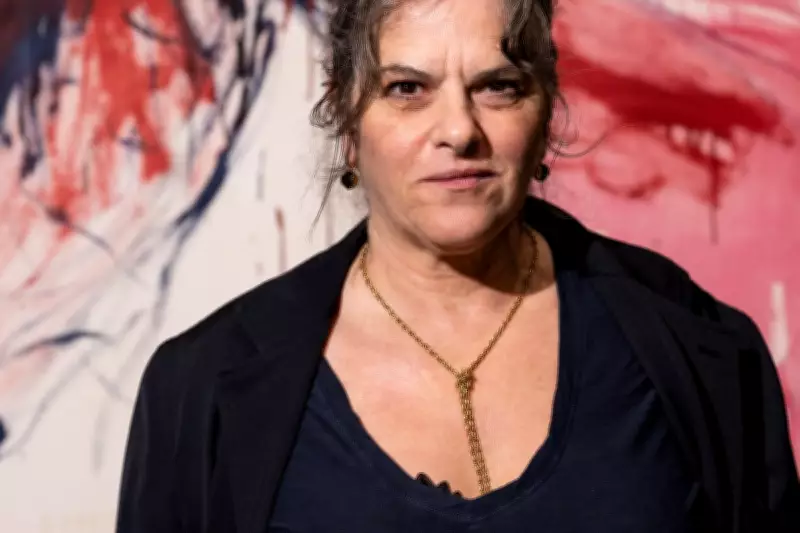
In a compelling call to action, renowned artist Dame Tracey Emin has asserted that wealthy individuals should shoulder the financial responsibility for maintaining free access to the United Kingdom's national museums and galleries. As her largest-ever retrospective exhibition debuted at Tate Modern, Emin emphasised that those with ample means, including herself, ought to regularly donate or acquire memberships to support these vital cultural institutions.
The Critical Importance of Free Cultural Access
Emin, who grew up in a working-class environment in a struggling seaside town and left formal education at thirteen, credits free entry policies with enabling her own artistic journey. She reflected that without the opportunity to simply walk into the Tate as a young person, she might never have become a Dame or achieved her current stature in the art world. This policy, introduced nearly twenty-five years ago, remains a cornerstone of cultural accessibility.
The artist's perspective is bolstered by broader societal benefits. Art serves as a fundamental tool for human understanding, fostering empathy, preserving cultural heritage, and acting as a catalyst for social change. It enhances educational outcomes and promotes lifelong learning, while also contributing to social mobility. Remarkably, recent research from King's College London indicates that viewing original artworks can significantly reduce stress levels, with cortisol dropping by an average of twenty-two percent.

A Modest Investment for Profound Impact
Emin argues that purchasing an annual membership to a national institution, often costing no more than a meal for two at a mid-range London restaurant, represents a minimal sacrifice for those who can afford it. This small contribution can make a substantial difference in preserving free access for all, ensuring that art remains available to everyone, not just a privileged few.
Despite ongoing financial challenges within the cultural funding system, the United Kingdom's commitment to free entry stands as a proud achievement. Emin's plea underscores that maintaining this policy is essential to prevent a regressive step that would limit cultural enrichment to only the wealthiest segments of society.