Deutsche Börse Prize 2026 Unveils Powerful Photography on LGBTQ+ Struggles and Social Issues
The Deutsche Börse photography foundation prize 2026 exhibition at the Photographers' Gallery in London presents a compelling array of works that enrage, bamboozle, and deeply move viewers. This year's shortlist, featuring only women and non-binary artists, includes Donna Gottschalk's documentation of lesbian life in the 1960s and 1970s, alongside explorations of women's prisons and invented facts.
Donna Gottschalk's Personal and Political Awakening
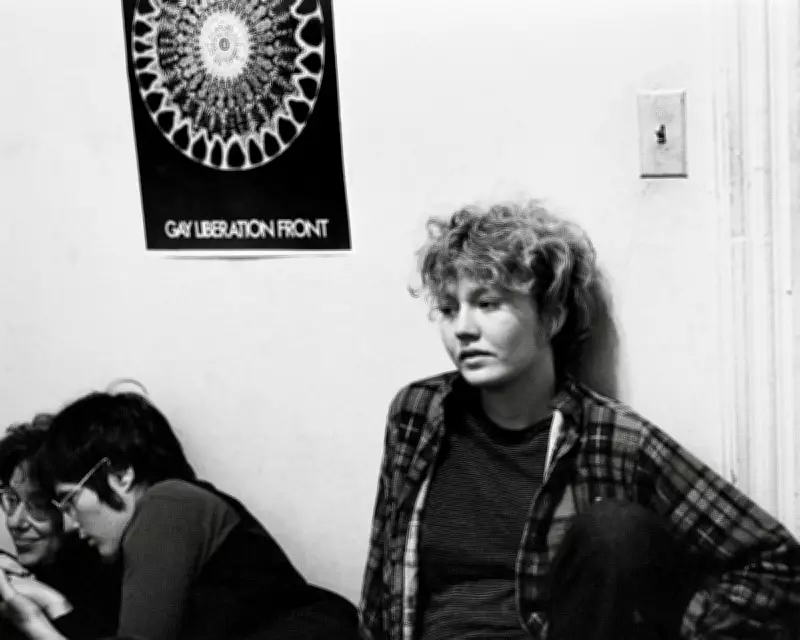
Donna Gottschalk's exhibition, We Others, curated with texts by French writer Hélène Giannecchini, traces her journey from a teenager picking up a camera at 17 to becoming an activist with the Gay Liberation Front. In 1960s New York, where homosexuality was illegal, Gottschalk's mother warned her of a "rough path", reflecting the era's harsh realities. The show begins with a poignant image of her mother in a beauty salon in Alphabet City, setting the stage for intimate family narratives.
A series of photographs chronicles the life of Gottschalk's sister, Myla, from an innocent 11-year-old asleep in bed to a 16-year-old semi-nude, shyly aware of her beauty. The narrative takes a sharp turn with a 1979 image of Myla's face after a severe "gay bashing" attack, her eyelids swollen and purple, capturing shared indignation. Later images show Myla transitioning and finding happiness, culminating in a 2013 portrait where she is fully herself.

Gottschalk's work blurs the line between personal and political, as seen in a radical image of a couple under a blanket with a "Lesbians Unite!" poster above them. This simple yet scorchingly radical picture challenges the absence of happy gay representations in that era.
Deutsche Börse Prize: A Tool for Solidarity and Activism
The Deutsche Börse prize exhibition synergistically extends Gottschalk's themes, using photography as a tool for solidarity, kinship, and activism. Rene Matić, a Turner prize-nominated artist, presents Feelings Wheel, an installation of diaristic snapshots of their queer community. Printed at various sizes and mounted in glass-panel structures, these images overlap and collide, metaphorically representing the fluidity and resilience of marginalised bodies.
Jane Evelyn Atwood's documentary series plunges viewers into the nightmarish world of women's prisons in the 1990s. Over ten years, Atwood visited 40 prisons across nine countries, capturing shocking conditions such as women giving birth while handcuffed. Her images, including a stark photo of an empty death row chapel with hand-stitched "HELP. FREE." posters, serve as a clarion cry for reform.
Playful and Poetic Explorations of Truth and Displacement
Weronika Gęsicka's Encyclopaedia offers a playful take on knowledge dissemination, using stock and AI imagery to generate fake facts. With lucid colours and simulated displays, her work warns of the dangers of untrustworthy imagery in a dystopian future.
Amak Mahmoodian, an Iranian artist in exile, concludes the exhibition with One Hundred and Twenty Minutes, a multimedia work based on the dreams of 16 exiles. Using poetry, film, and photography, Mahmoodian creates elegiac images with motifs like windows and snakes, representing the universal human capacity to dream and hold onto memories of homeland.
The Deutsche Börse photography prize 2026 and Donna Gottschalk's We Others are on display at the Photographers' Gallery in London until 7 June, offering a profound reflection on identity, injustice, and artistic resistance.