The British Museum has announced a major exhibition titled Samurai, opening in February 2026, which aims to challenge long-held myths about Japan’s warrior elite. Lead curator Rosina Buckland stated that the show will reveal a complex reality beyond the armour-clad warriors popularised by films and video games, noting that much of the samurai myth was invented long after their heyday.
The exhibition will feature over 280 objects, many never seen in the UK, including arms, armour, paintings, woodblock prints, books, clothing, and ceramics. It will highlight that samurai were not solely male warriors; women were educated, governed, and even fought. Buckland emphasised that the hyper-masculine image dominating media is a narrow view, and that samurai balanced military, literary, and artistic pursuits.
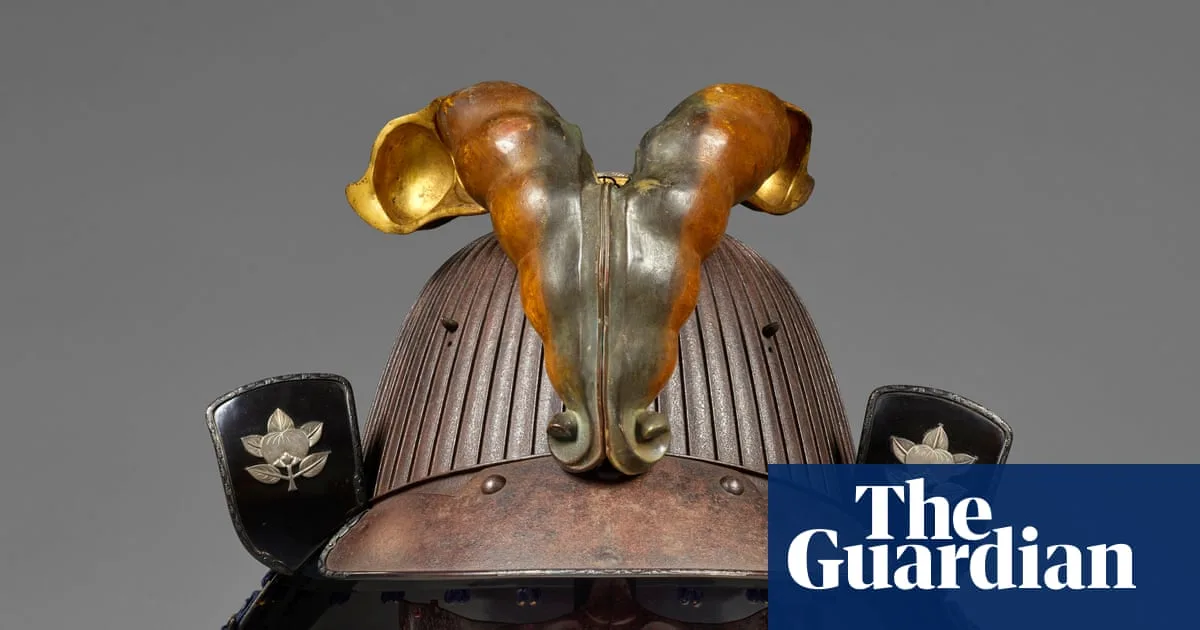
Among the exhibits is a spectacular suit of armour recently acquired by the museum, with a helmet and golden standard shaped like iris leaves. The oldest part of one armour dates from 1519, with later additions from the early 19th century, illustrating how suits were recycled over centuries. The exhibition also includes a firefighting jacket worn by women in Edo Castle, decorated with watery motifs to evoke protection against the frequent fires in Edo (modern Tokyo).

Buckland said the exhibition aims to address how perception of the samurai has been narrowed to a male warrior in armour wielding a sword, which is only a tiny part of their history. The samurai emerged in the 900s as mercenaries, gained political dominance from the 1100s, and during a long peace from 1615 became government officials, scholars, and patrons of the arts. Their hereditary status was abolished in the late 19th century as Japan modernised.