Brave Bettie Review: A Playful Call to Protect Nature's Ancient Guardians
Arts Depot, London – In Tatenda Naomi Matsvai's evocative new play for young audiences, Brave Bettie, two stories are masterfully entwined, both rooted deeply in the natural world and themes of courage. The production, aimed primarily at children aged three to eight, unfolds as a heartfelt narrative that combines folkloric wisdom with contemporary environmental activism, creating a theatrical experience that is both educational and enchanting.
A Tale of Two Adventures
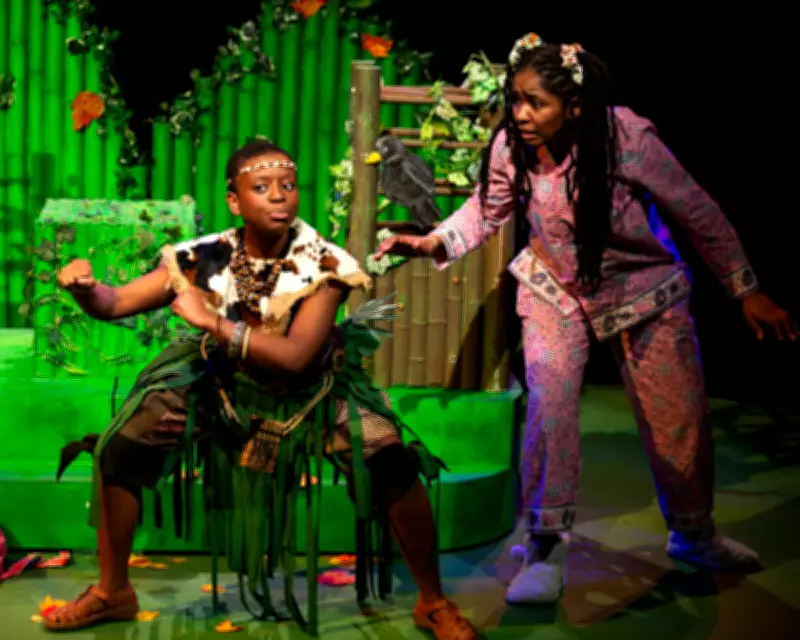
The first story, delivered with the headlong rush of an avid reader, is a folk tale read downstage by schoolgirl Bettie. It recounts the legend of Paida Moyo, a heroic figure from Zimbabwe who protects her kingdom from "cutlass-carrying men" and rescues an injured lioness, embodying themes of bravery and compassion. This ancient tale sets the stage for the second, more immediate adventure: Bettie's own nocturnal quest, accompanied by the ancestral guide Paida Moyo, to save a cherished oak tree from being felled. The villainous local council plans to replace it with a new car park, sparking a journey of derring-do and discovery.
While the folk tale risks running away from its young audience due to its rapid pace, the latter story, which forms the bulk of the show, adopts a more halting rhythm. Here, moments of action are interspersed with bits of wisdom, allowing for reflection and engagement. Matsvai, who previously showcased a flair for evocative, poetic writing in the superb teenage play Hot Orange co-written with Amal Khalidi, lets Brave Bettie soar when extolling the wonders of the woodland. The power of nature's ancient and mysterious webs of connection is partly conveyed through music and discovered through a child's eyes, evoking shades of My Neighbour Totoro, especially in a magical scene where Bettie passes inside the old oak.

Characters and Performances
Abena Adoma brings a genial presence to the role of Paida Moyo, engaging the audience from the outset with an introduction to the Shona language and a rain-dance ritual. Her performance is enhanced by the twinkling green bulbs of a forest lit by Emily Walls, though the design otherwise remains a little subdued, even for a night-time adventure. Joanna Nsianguana's portrayal of Bettie veers convincingly between dread and determination, as she discovers that her new companion is not quite as fearless as the storybook suggested. Together, they come to each other's rescue in a tale that celebrates friendship not only between themselves but also with the animals that occasionally pop up in Bolu Dairo's imaginative set design.
With its impassioned message of activism and respect for wildlife, Bettie emerges as a latter-day Lorax, speaking for the trees and inspiring young viewers to consider their role in environmental stewardship. The play's keen sense of mythology is as embedded in the narrative as the ancient tree itself, offering a rich tapestry of cultural and ecological themes.
Production Elements and Pacing
Directed by Abigail Kelly for Half Moon and Z-arts, the production sometimes lacks dynamism, particularly during scenes where the duo navigates a path through the forest. A couple of laborious scene changes further slow the pace of a journey that frequently pauses to offer lessons—whether in recycling, nesting, or the soothing qualities of dock leaves. However, the show is attuned to the sensory experiences of nature, boosted by Axel Kacoutié's music and sound effects that capture the smells, tastes, and rhythms of the woodland.
This is theatre designed to widen horizons, best followed up with a wander in your nearest green space. Brave Bettie tours until 15 March, offering families a chance to engage with its timely themes of conservation and community. Through its blend of storytelling and activism, the play not only entertains but also plants seeds of environmental awareness in the minds of its young audience.