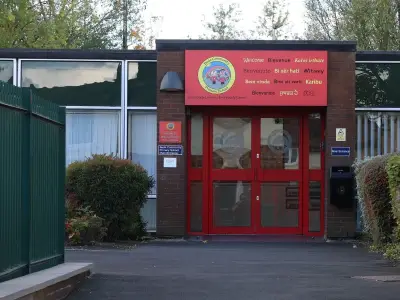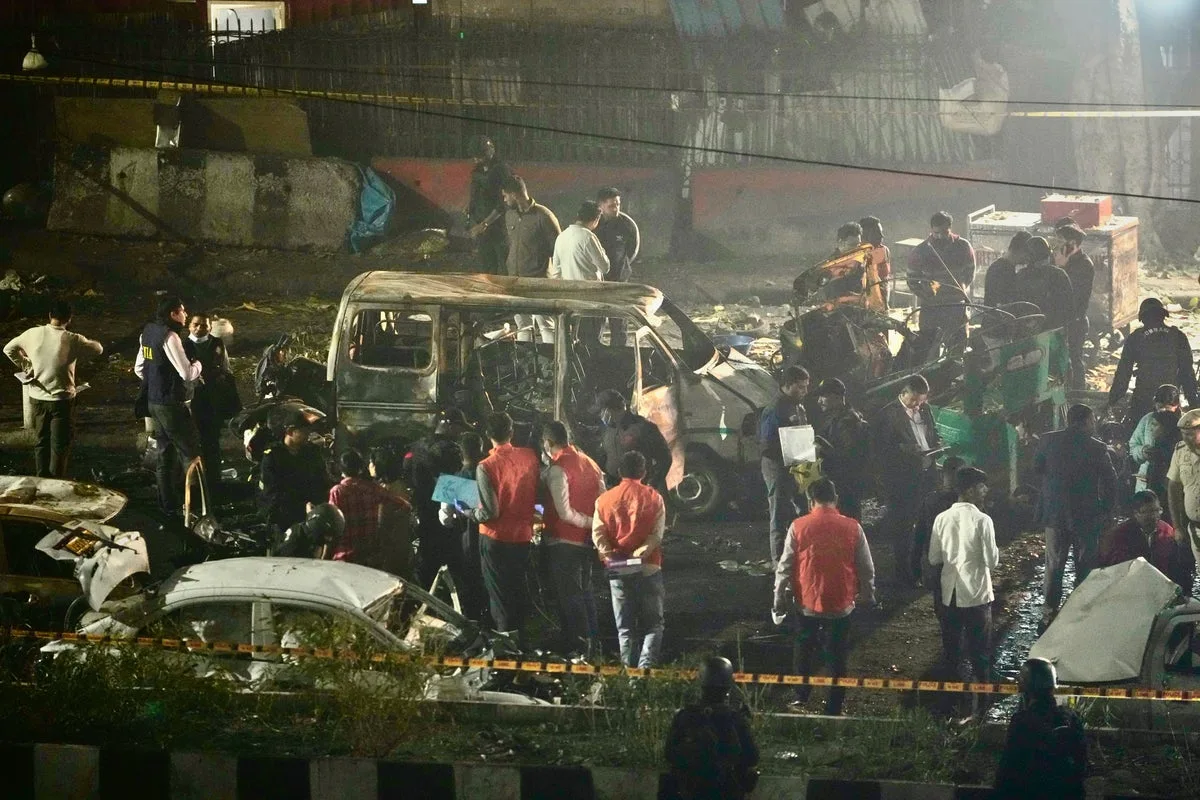
Al Falah University in Faridabad, a satellite town of the Indian capital, has found itself at the centre of a terror investigation following a deadly car bomb blast in Delhi last month that killed at least 13 people. The explosion near the Red Fort on 10 November was declared a “terror incident” by the Indian government, with the National Investigation Agency (NIA) identifying Umar Un Nabi, an assistant professor in general medicine at the university, as the alleged suicide bomber.
The NIA claimed that Nabi was driving the car that exploded, and forensic evidence confirmed his identity. Investigators have since arrested two other Kashmiri doctors with ties to the university, Muzammil Shakeel and Shaheen Saeed. Police said they recovered more than 3,000kg of chemicals used for making improvised explosive devices, along with detonators and wires, from Shakeel’s rented house in Faridabad.
The university has distanced itself from those accused. Vice Chancellor Bhupinder Kaur Anand stated: “We wish to make it clear that the university has no connection with the said persons apart from them working in their official capacities with the university. We’re deeply saddened and anguished by the unfortunate developments.” However, federal and state investigators, accompanied by media crews, have descended on the campus, investigating what they call a “white-collar” terror module.
Students and staff say the atmosphere has changed. Security guards now prevent reporters from entering, and many students are reluctant to speak. A third-year medical student from Kashmir said: “Though the classes are held normally, we have been fearful since the raids and arrests began.” Another student expressed concern about the university’s reputation: “I wonder if anyone will even bother to employ me after I finish my degree, once they see the name of the university.”
Local businesses have also been affected. Israr Ali, who owns a roadside food stall near the university gate, said: “Since then, police keep coming every day, while the media is fixated sitting in front of the gate.” The once-crowded market across the road is now largely empty, with many shops shuttered.
Some students are angry at the media coverage, which they say has painted the entire university as a “terror hub”. One second-year student noted: “We pay Rs 2m (£16,600) a year in fees to become doctors and surgeons. And these media houses are running stories that students are being radicalised under the garb of education. This is what you think we do?” The National Assessment and Accreditation Council has also asked the university to explain why false accreditation claims were made, adding to the uncertainty.