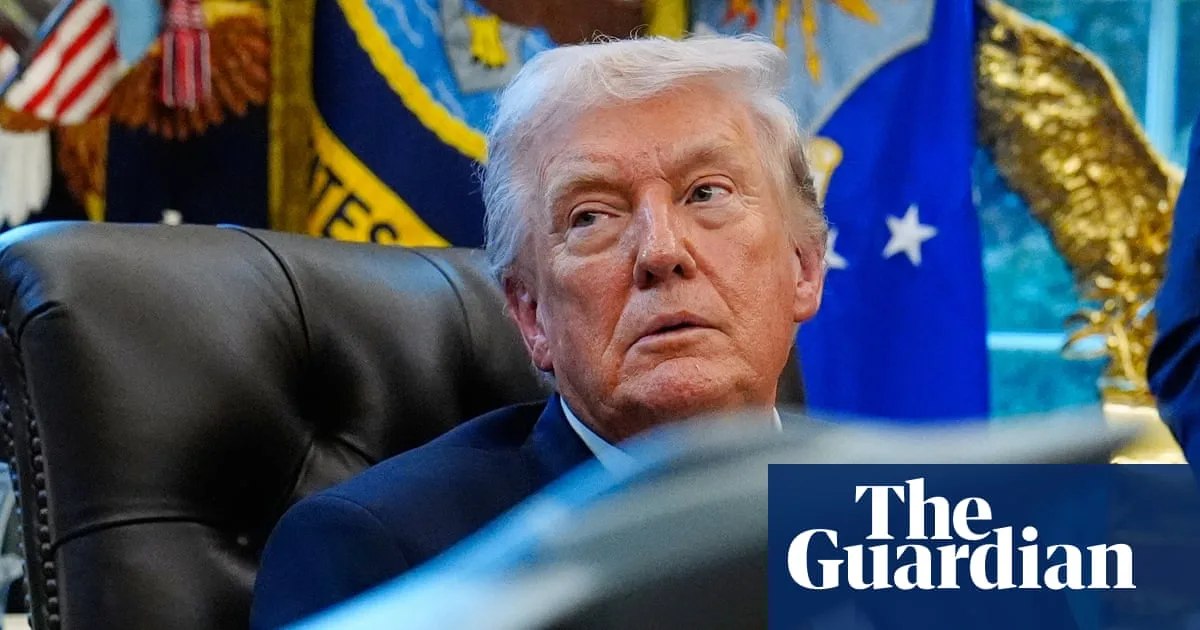
Donald Trump’s attempt to blame Iran for a deadly missile strike on an elementary school in Minab stemmed from an early US intelligence assessment that was almost immediately dismissed, according to two people familiar with the matter. The CIA initially told the president that the missile did not appear to be a US Tomahawk because its fins seemed positioned too low, but within 24 hours, additional video evidence confirmed it was indeed a Tomahawk.
Despite the updated intelligence, Trump continued to assert that Iran was responsible, raising the claim with reporters on Air Force One and at a subsequent news conference. Defence Secretary Pete Hegseth was more cautious, stating only that the matter was under investigation. It remains unclear when Trump was briefed on the corrected findings.
Former intelligence officials criticised the handling of the information, with one former CIA officer saying, “Giving Trump preliminary information is dangerous because he can turn it into a total embarrassment.” The officer added that briefers should admit uncertainty rather than risk later corrections.
The Pentagon investigation into the strike has found that the missile was a Tomahawk fired by the US military, which relied on outdated intelligence. The strike killed at least 175 people, many of them children, making it one of the deadliest targeting errors in recent decades. The investigation is focused on why the intelligence was outdated and whether it was double-checked.
The school was located on the same block as an Islamic Revolutionary Guard Corps navy base, and the building had been converted from a military compound into a school between 2013 and 2016. Targets for airstrikes are typically designated years in advance using satellite imagery and stored in a database called Maven Smart System, which can be queried using AI tools. For the opening phase of the Iran war, the target list ran into the thousands, and it is unclear whether each was verified before strikes were carried out.