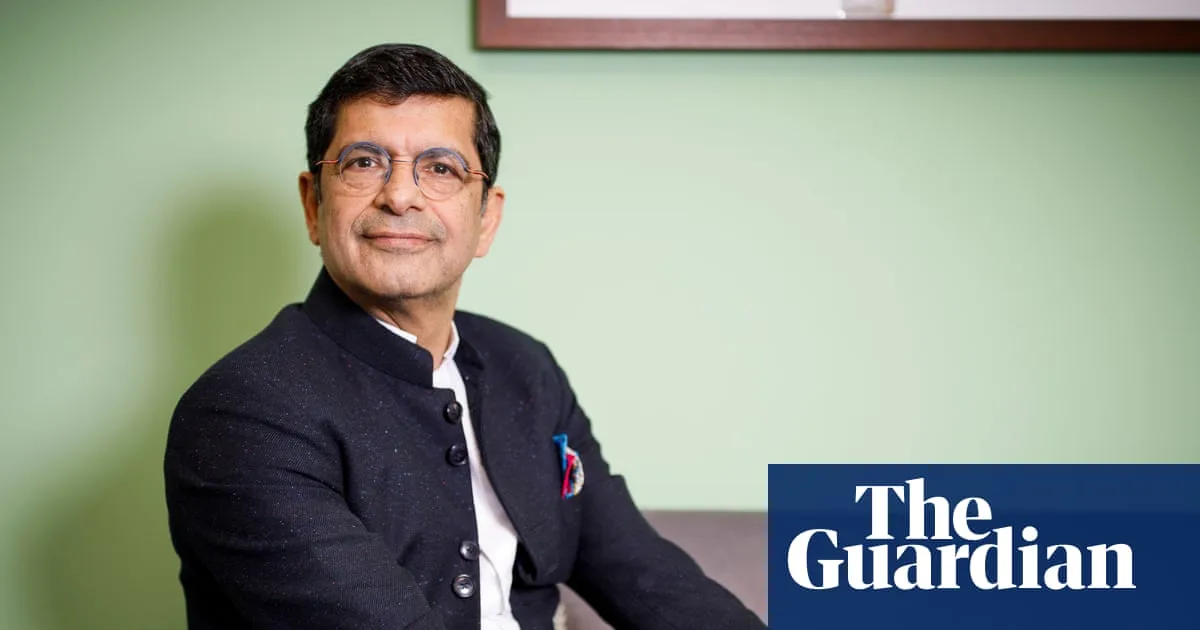
Prof Shitij Kapur, vice-chancellor of King's College London, has argued that a university degree is no longer a guaranteed route to social mobility, describing it instead as a 'visa' that offers a chance but not a certainty of success. Speaking about the current state of higher education, Kapur said the UK now has a 'surfeit' of graduates, with nearly half of young people entering university, diminishing the value of a degree.
Kapur noted that the graduate pay premium has shrunk, and competition from artificial intelligence and international graduates has intensified. 'The simple promise of a good job if you get a university degree has now become conditional on which university you went to, which course you took,' he said. He added that the old model of a degree as a 'passport to social mobility' has shifted to a 'visa', which grants entry to the arena of graduate jobs but does not guarantee success.
The vice-chancellor referenced sociologist Martin Trow's predictions that as higher education becomes universal, social regard for graduates declines, the graduate premium falls, and a degree becomes a necessity rather than a privilege. Kapur believes the UK has reached that point. Despite this, government data shows graduates still enjoy higher employment and pay than non-graduates, though younger graduates' real earnings have stagnated over the past decade.
Kapur criticised the timing of the introduction of £9,000 tuition fees and student loans in 2012, coinciding with slow economic growth, calling it 'the worst possible time' for such a transition. He described a 'triangle of sadness' in UK higher education, with students burdened by debt, a government using inflation to cut fees, and overstretched staff. The situation has worsened, he said, with domestic tuition fees 'fossilised' at levels that do not cover teaching costs.
However, Kapur remains confident that UK universities offer world-class education, partly due to premium fees from international students that subsidise research and maintain high league table positions. He warned that recent restrictions on international student visas and a levy on their fees could disrupt this model, calling for a national conversation on their role.