As crude oil prices surged past $110 a barrel on Monday, reaching levels not seen since 2022, consumers are beginning to feel the economic fallout from the Iran war. The conflict has disrupted global energy production, pushing up prices at the petrol pump and beyond.
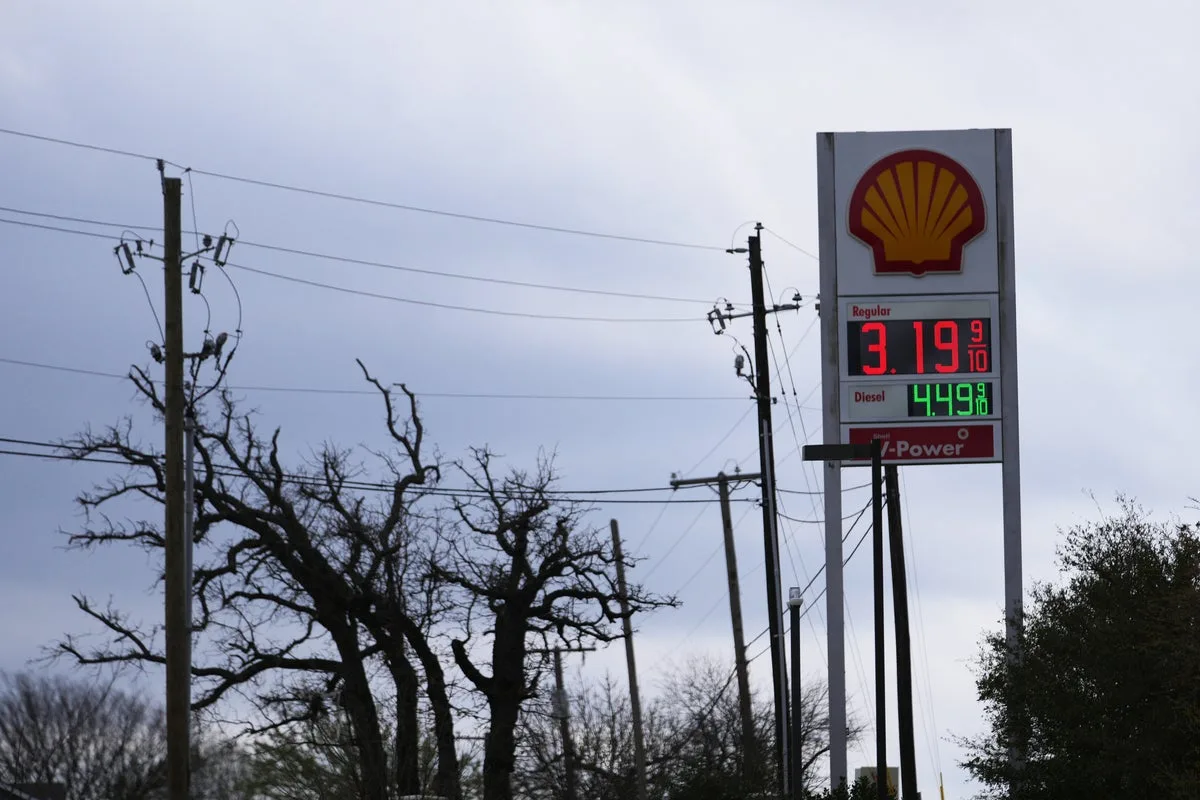
In the United States, the average price for a gallon of regular petrol rose to $3.48, up 17% since the US and Israel attacked Iran. Prices vary significantly by state: California drivers paid $5.20 per gallon, while Louisiana, with its own oil production and refineries, averaged $3.04. The spike is expected to hit Asia and Europe harder, given their greater reliance on Middle Eastern oil and gas.
The cost of diesel, which powers most heavy goods vehicles, also climbed to $4.65 a gallon in the US, a 23% increase since the war began. Patrick De Haan, a petroleum analyst at GasBuddy, described this as a 'massive jolt' to logistics, trucking and agriculture. Fuel accounts for 50–60% of shipping costs, and higher prices are likely to slow transport and increase fuel surcharges, ultimately making goods more expensive.
Home energy bills are also set to rise, with Europe's benchmark natural gas price up 75% since the war started. Products derived from natural gas, such as plastics, rubber and nitrogen fertiliser, could become costlier. While the impact on US grocery prices may not be immediate, food economist David Ortega warned that sustained high oil prices would raise farm input costs and transport expenses, feeding through to supermarket shelves.