Cambridge's Trinity Hall Faces Backlash Over Private School Admissions Shift
Cambridge College Criticised for Private School Focus

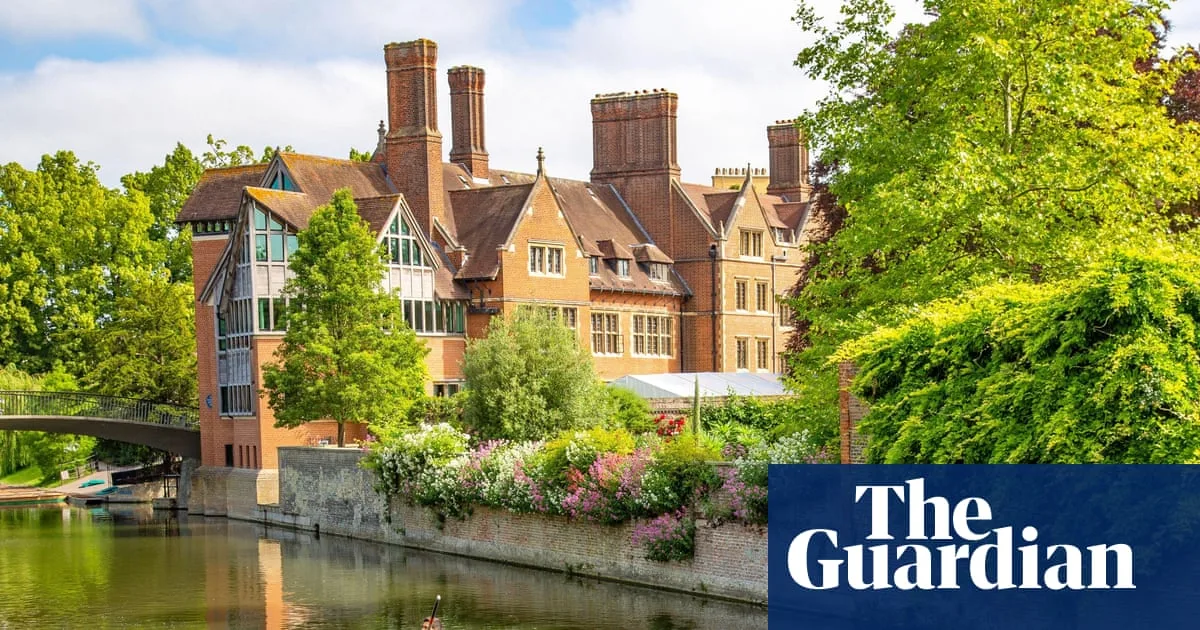
A prestigious Cambridge University college is at the centre of a fierce row over educational privilege after revealing a controversial shift in its admissions strategy.

Alumni Outcry Over Policy Reversal

The storm erupted after Trinity Hall confirmed it would target students from elite private schools for recruitment in certain subjects. The move, reported on 7 January, represents a stark departure from its recent history and has provoked dismay among its own graduates, many of whom were drawn to the college for its inclusive reputation.

Joseph Oakley, a comprehensive-school-educated alumnus, voiced his profound disappointment. He chose Trinity Hall precisely for its anti-elitist ethos, arriving from an underrepresented region in the Midlands. Despite feeling less prepared than privately-educated peers, the college saw his potential; he graduated with a double first.

"To suggest that students from the most privileged backgrounds are uniquely 'ready' to engage critically and independently at Cambridge confuses opportunity with ability," Oakley argues. He fears the college is abandoning its principle of championing students with the potential to grow, returning to a culture that rewards advantage rather than latent talent.

The 'Party' Where State Students Don't Know the Steps

The debate highlights a persistent divide in the Oxbridge experience. Daisy Shaw, a recent state-educated Cambridge graduate, describes the university as a party where everyone knows a routine. "You should be grateful for watching, and never being taught the steps," she writes.

Shaw's experience underscores ongoing inequalities: while her privately educated peers often secure college funding for postgraduate study, she must work multiple jobs and rely on parental help. Despite her anger at the regressive admissions policy, she loved her time at Cambridge and urges talented state-school applicants not to be deterred. "You belong at Cambridge University," she insists. "Please do not give up the fight."

A Betrayal of Meritocratic Principles?

For older alumni, the policy shift feels like a betrayal of hard-won progress. Professor Douglas Robinson, who attended Trinity Hall from 1978 to 1981, benefited from two key policy changes: the admission of women and selection based on academic merit regardless of school.

He expressed shock that the college, which already admits around 26% of its students from private schools (against a national average of 6-7%), would move further in that direction. He argues it abdicates the university's core role—to instil intellectual expertise—and risks becoming "a finishing school for the rich."

Robinson has called on fellow alumni to reconsider financial donations until the policy is rectified, highlighting the depth of feeling this issue has provoked within the collegiate community.

The row at Trinity Hall cuts to the heart of the ongoing national conversation about social mobility, privilege, and access to elite education. As the college defends its approach, it faces mounting pressure to prove its commitment to potential over polish, and opportunity over entrenched advantage.