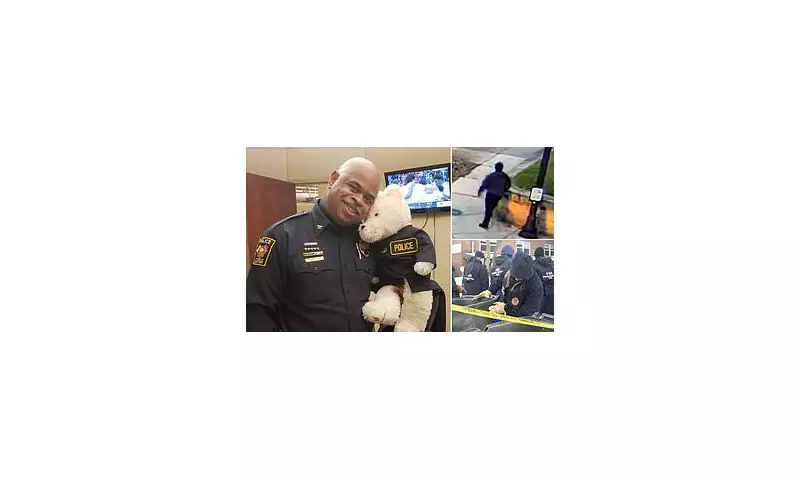
Pressure is mounting on Brown University's progressive head of campus security, Rodney Chatman, following a deadly shooting that exposed what law enforcement experts describe as a chilling 'security vacuum' at the prestigious Ivy League institution.
A Deadly Attack and a Security Breakdown
On December 13, a gunman entered the Barus and Holley engineering building at Brown University in Providence, Rhode Island. Students were inside preparing for exams when the assailant walked into a crowded room, opened fire, and then vanished. The attack left two undergraduates dead and nine others wounded.
The victims were identified as 19-year-old Ella Cook from Alabama and 18-year-old Mukhammad Aziz Umurzokov from Virginia. Despite the campus marketing itself as safe and tightly monitored, the shooter managed to enter, attack, and exit without being captured clearly on any security camera.

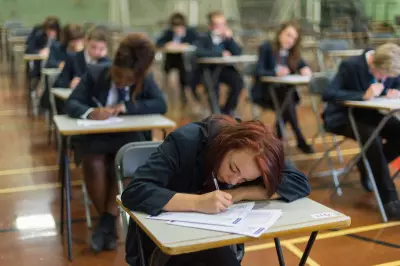
Paul Mauro, a former 23-year NYPD veteran and security analyst, told the Daily Mail the failures were basic and devastating. 'This is security 101,' Mauro stated, highlighting that doors which should have been locked were not, guards were absent, and cameras failed to deliver usable evidence.
Leadership Under the Microscope
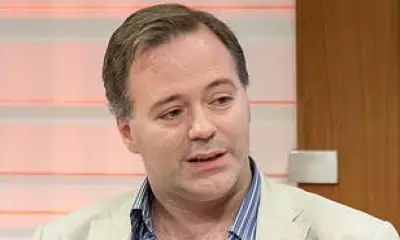
The spotlight has fallen intensely on Rodney Chatman, Brown's Vice President for Public Safety and Emergency Management. Chatman, a career campus officer known for his progressive policing philosophies, has recently faced internal turmoil. Two police unions have issued votes of no confidence against him and his deputy, describing a 'toxic' workplace with low morale and high turnover.
Critics argue these internal warnings foreshadowed the systemic failures exposed by the shooting. Mauro pointed to specific lapses: a door was allegedly propped open during finals week, bypassing keycard access; no uniformed guard was stationed for a major exam session; and there was a lack of effective camera coverage at entrances and exits.
'If that's true, where is the video?' Mauro asked, referring to claims that Brown has hundreds of cameras. 'Very clearly, investigators did not get the kind of usable footage such a system should produce.' This lack of evidence slowed the initial manhunt, with a person of interest detained and later cleared.
Aftermath and Ongoing Scrutiny
After a multi-state search, authorities identified the shooter as 48-year-old Claudio Manuel Neves Valente. He was found dead from a self-inflicted gunshot in a rented storage unit in Salem, New Hampshire, and was also linked to a separate murder in Massachusetts.
In the wake of the tragedy, Brown University cancelled classes and exams, surged security, and the Governor ordered a review of school safety. University President Christina Paxson has defended the institution's commitment to safety, placing responsibility for the 'horrific gun violence' on the shooter. Officials noted the engineering building is an older structure with limited camera coverage in the specific area of the attack.
However, analysts like Mauro contend that public frustration has been misdirected at city and federal police, while fundamental questions about campus security leadership remain unanswered. 'The police are cleaning up after something that never should have happened,' he said.
The incident raises profound concerns about security posture at elite universities, balancing open, accessible campuses with the hard realities of modern threats. As Providence mourns, the debate over how such an attack was possible at one of America's top universities continues to intensify.