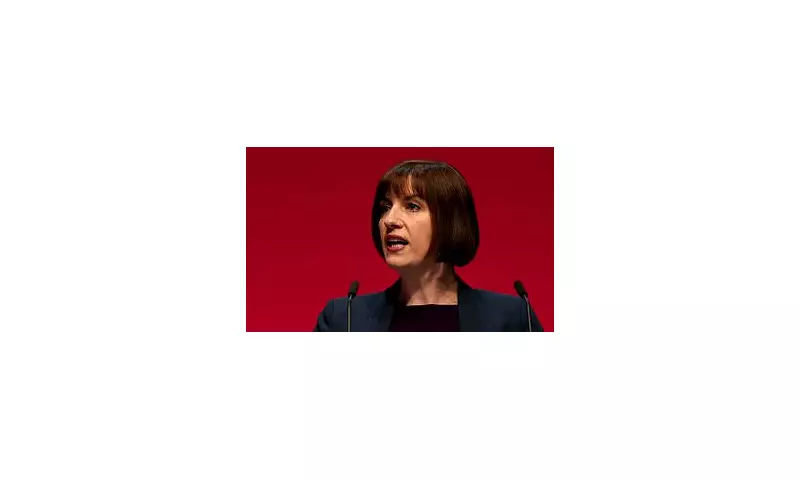
More than 370 university academics, including three Nobel Prize winners, have written an urgent letter to Education Secretary Bridget Phillipson, pressing her to finally honour her pledge to defend freedom of expression on British campuses.
A Year of Inaction on a Critical Pledge
The intervention comes after more than a year of promises from the minister to bolster free-speech protections, with no tangible action yet materialising. The signatories express profound frustration at the delay, warning that the situation at universities is becoming increasingly toxic for open debate.
The Free Speech Union, established in 2020, reports handling over 5,400 cases in five years, with approximately one in eight involving an attempt to 'cancel' an individual at a British university. The organisation has even compiled a league table of the worst offenders, with the ancient institutions of Durham, Cambridge, and Oxford occupying the top three spots.

The Stark Evidence of a Growing Crisis
This concern is not isolated. A prestigious global survey last year ranked British universities a dismal 64th in the world for academic freedom, placing them below nations like Malawi, Sierra Leone, and Papua New Guinea. The censorship, critics argue, is overwhelmingly one-sided.
Polling data underscores the chilling effect. A King's College London survey found half of student respondents believed those with conservative views were reluctant to express them for fear of reprisals. Furthermore, a recent Higher Education Policy Institute (HEPI) poll of over 1,000 students revealed that 35% believed no one representing Reform UK should be allowed on campus.
The letter from the academics states plainly: ‘Until the complaints scheme is in force, universities can disregard their duties with impunity.’ They cite high-profile cases like those of Professor Kathleen Stock and Professor Laura Murphy at Sheffield Hallam University, who faced severe backlash for their views and research.
A Law in Limbo and Ministerial Delay
The most staggering fact is that a solution already exists in law. The Higher Education (Freedom of Speech) Act was passed by Parliament and received Royal Assent in 2023. Its core provision would create a statutory complaints scheme through the Office for Students, allowing academics, students, and speakers to seek redress and compensation if their speech rights are breached.
However, upon taking office, Phillipson initially reversed the 'commencement orders' needed to bring the Act's key clauses into force. She only performed a U-turn after a campaign led by the Free Speech Union and many of the academics who signed this week's letter, who threatened legal action.
Despite this, the vital protections remain dormant. The academics' letter warns that without the promised complaints procedure, the situation will only deteriorate. The consequences, they argue, extend beyond campuses, as universities risk producing intolerant graduates who carry this dogma into workplaces nationwide.
Parallel delays have occurred in Phillipson's role as Women and Equalities Minister, where she has sat since last September on updated guidance for single-sex spaces following a Supreme Court ruling. This inaction leaves public bodies relying on outdated rules.
With pressure mounting, the demand is clear: the government must immediately implement the law it inherited and restore the free exchange of ideas to the heart of academic life, before more voices are silenced.