Graduates 'Squeezed' as Student Loan Threshold Freeze Sparks Outrage
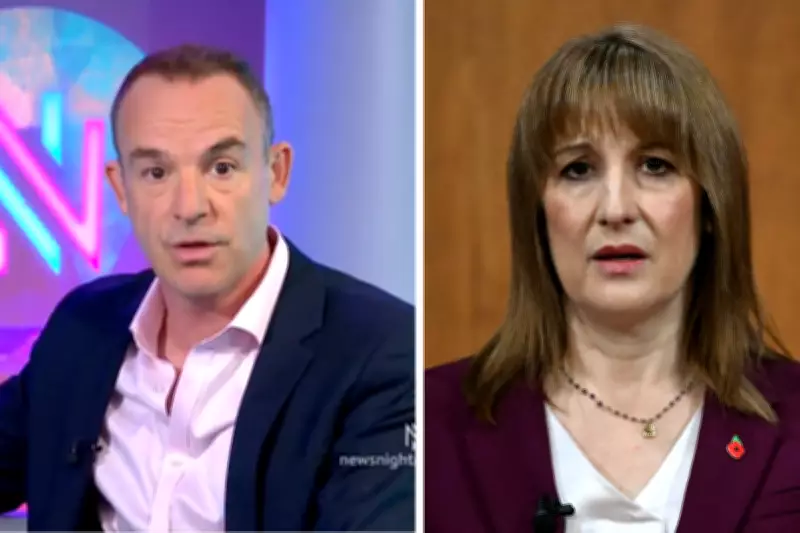
Experts have issued a stark warning that graduates are being deliberately "squeezed" to bolster government finances, amid escalating anger over the student loans system. The controversy centres on Chancellor Rachel Reeves' defence of the current framework as "fair", while critics, including MoneySavingExpert founder Martin Lewis, condemn recent policy changes as a breach of moral contract with young people.
Threshold Freeze Imposes Significant Financial Burden
At the November Budget, it was announced that the salary threshold for Plan 2 student loan repayments would be frozen at £29,385 for three years from April 2027. This freeze means graduates will not benefit from inflationary increases to the earnings level at which they begin repaying their debt.
Martin Lewis has estimated that this policy will result in every graduate above the threshold paying approximately £300 more annually by 2030. He has publicly demanded the government "have a rethink", directly messaging Chancellor Reeves to state: "I do not think it is a moral thing for you to do." Lewis argues the move represents a "breach of natural justice" and a broken promise to students who entered into complex loan agreements.

Chancellor Defends System as 'Fair' Amid Growing Backlash
Chancellor Rachel Reeves has mounted a robust defence of the student loan system, emphasising its progressive nature. She told LBC: "It is important that you don't have to start paying back the student loan until you earn enough money... I think that is a fair system. Around half of people go to university today, but half don't. And it is not right that people who don't go to university are having to bear all the cost for others to do so."
However, this framing has been challenged by intergenerational fairness experts. Toby Whelton, Senior Researcher at the Intergenerational Foundation think tank, argued that portraying the issue as non-graduversus graduates "misses the point". He stated: "Older generations largely had their tuition paid for by the taxpayer, but are now unwilling to extend the same support to those coming after them. Instead, graduates are being singled out as the path of least political resistance, squeezed to raise revenue for an increasingly cash-strapped government."
Student Representatives Warn of Living Standards Crisis
The National Union of Students (NUS) has warned that the three-year threshold freeze could push new graduates into financial precarity, struggling to afford essentials like rent, food, and utility bills. Alex Stanley, NUS Vice President for Higher Education, expressed grave concerns: "At a time in our lives when we should be setting up our futures, graduates are feeling the cost of living and living paycheque to paycheque. We went to university, signed a complex contractual agreement... and now that loan is a political football impacting our bank balances each month."
Stanley called for the government to demonstrate commitment to young people by raising repayment thresholds, rather than freezing them.
Historical Context and Government Response
The current student loan system stems from changes implemented by the Conservative-Liberal Democrat coalition government in 2012. Key reforms included:
- The introduction of Plan 2 repayment plans with interest rates linked to RPI plus up to 3%
- A near-tripling of the tuition fee cap to £9,000
- The requirement for most students to take substantial loans to fund higher education
A Department for Education spokesperson responded to the criticism by stating: "These loans were designed and implemented by the previous government. This government is reforming the student finance system to deliver a fairer deal for students in the future, including by re-introducing targeted maintenance grants. We're making the tough but fair decisions needed to protect taxpayers and students."

The spokesperson emphasised that lower-earning graduates remain protected, with outstanding loans written off at the end of the term, but this assurance has done little to quell the growing storm of protest from graduates, experts, and student representatives alike.