Family's Anxiety Grows as England's Send System Faces Major Overhaul
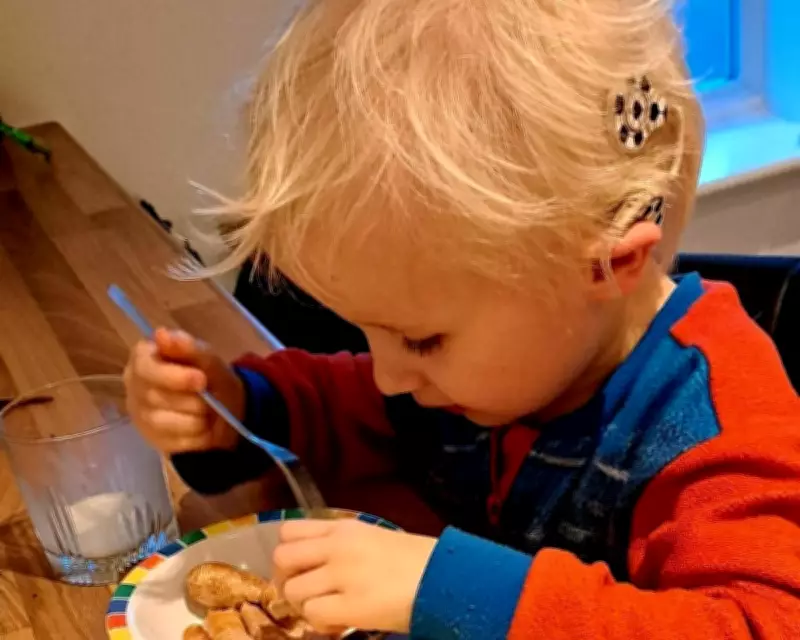
The parents of a five-year-old deafblind boy are expressing profound concern that government plans to reform England's special educational needs system could jeopardise the crucial support their son has fought so hard to obtain. Harvey Hind, who possesses remarkable cognitive abilities including counting to a thousand and reciting the alphabet both forwards and backwards, faced severe distress in mainstream education before securing appropriate specialist provision.
A Harrowing Experience in Mainstream Nursery
Harvey's educational journey began with a placement in a busy mainstream nursery while his family waited over a year for an Education, Health and Care Plan (EHCP) – a process that should legally take no more than twenty weeks. Despite dedicated staff efforts, the environment proved overwhelming for the young boy, who is severely sight impaired and uses bilateral cochlear implants for profound deafness.
"He was anxiety-ridden," explained his mother, Kimberly Hind, 35, from Clitheroe in Lancashire. "It was distressing and extremely challenging on every level. He stopped eating, sleeping, listening, talking … everything. He just became this little boy that we didn't recognise."

The situation deteriorated to such an extent that Harvey stopped attending nursery entirely for three months, forcing his mother to resign from her position managing a primary school kitchen to provide full-time care. This period of educational disruption occurred during what experts consider critical developmental years for children with complex needs.
Transformation Through Specialist Education
Since September, Harvey has been attending a special school for deaf children where he has undergone a remarkable transformation. The school, though requiring a ninety-minute journey each way, provides small class sizes of just five pupils compared to the overwhelming groups in mainstream settings.
"When he wakes up in the morning the first thing he says to me is 'Mr Jones' – that's his class teacher," Kimberly revealed. "He runs out the door to his school taxi and comes back home extremely happy. He's come on so well cognitively, too. Everyone says he's very bright, especially with maths."
Despite this positive progress, the family remains apprehensive about impending government reforms to the Send system. While acknowledging the current system requires improvement, they fear proposed changes might involve funding reductions that could directly impact Harvey's educational support.
Fears Over Funding and Implementation
"I fear they will have the power to take back what we've fought so hard for in the first place if there's cuts to funding," Kimberly told the Guardian. "Harvey does receive a lot of funding now that we fought for because he needs it. If they strip any of that back, he will suffer again."
The mother's concerns extend beyond mere speculation, rooted in her family's direct experience navigating the complex special educational needs landscape. She questions whether legislative changes alone can address systemic issues without adequate resources and implementation.
"You can change anything by law but the local authorities still won't follow it," she observed. "They don't have the staff, the funding or the training."
Lasting Impact of Early Educational Experiences
The psychological effects of Harvey's difficult start to education persist despite his current positive school experience. While comfortable with adults and his brothers, he remains fearful of other children and avoids interaction with them – a consequence his mother attributes to those traumatic early years.
"I think those early years of education are so important and if disabled children with complex needs miss out on them it has an impact for a very, very long time, if not for ever," Kimberly emphasised.

As the government prepares to unveil its Send overhaul plans, families across England share similar anxieties about maintaining hard-won support for children with special educational needs. The Hind family's experience highlights both the transformative potential of appropriate specialist provision and the fragility of support systems that many families have struggled to secure through lengthy bureaucratic processes.