After a decade of austerity closed more than 1,000 youth centres, the UK government has pledged £500 million to renew youth services. The Youth Matters strategy, launched in December 2025, is the first national youth strategy in 15 years, prioritising the creation of 50 Young Futures hubs across the country.
Eight pilot schemes are set for Nottingham, Manchester, Birmingham, Brighton and Hove, Bristol, Leeds, Tower Hamlets in London, and Newton Aycliffe in County Durham. These hubs aim to provide integrated support for mental health, employment skills, sports, arts, and a safe digital and physical space where young people feel they belong.
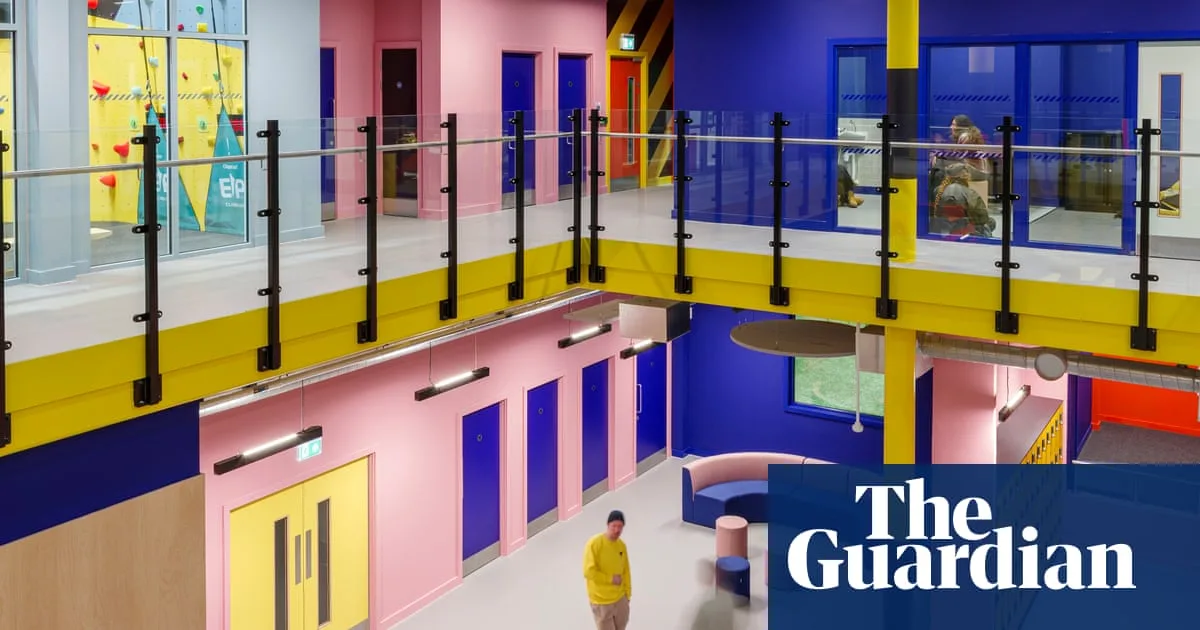
In Preston, Lancashire, the newly built Vault youth centre (formerly known as Youth Zone) exemplifies this vision. Designed by architect John Puttick, the building features yellow and black columns under a folded concrete facade, mirroring the city's iconic brutalist bus station. Inside, a double-height open-plan space houses a cafe, gaming area, football pitch, kitchen, music rooms, climbing wall, and sports hall, all flooded with natural light.
The interior was designed by Ben Kelly, known for Manchester's Haçienda nightclub, adding a touch of nostalgia. Emma Warren, author of 'Up the Youth Club', notes that while the UK has periodically invested in beautiful youth buildings, recent research shows half of young people now spend most of their free time in their bedrooms. She argues that youth work today is as much about getting kids out of their rooms as off the streets.