Student Debt Crisis: A Generational Injustice Sparks Political Revolt
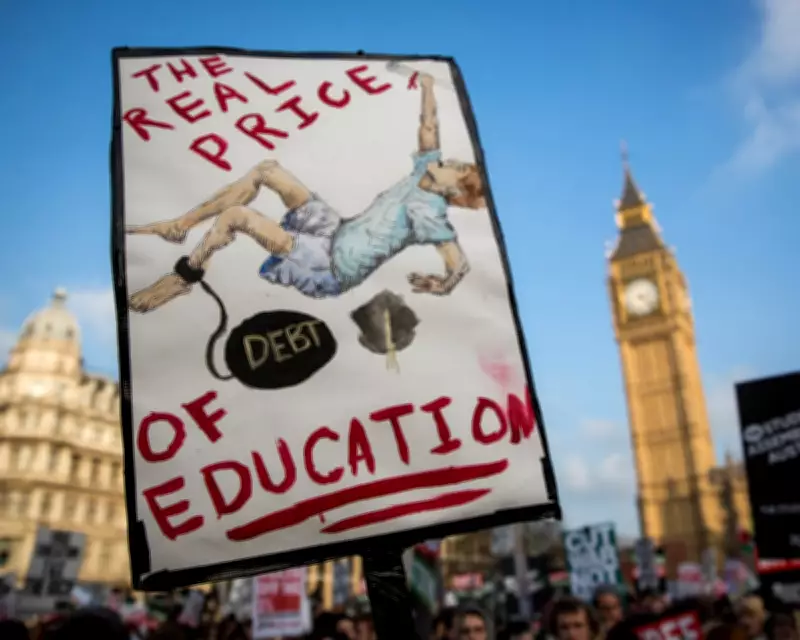
Demonstrators gathered in Parliament Square, London, for a march against student university fees in 2014, highlighting a growing discontent that has only intensified over the years. Student debt is increasingly seen as a generational injustice, with many questioning why graduates are being squeezed harder than the super-rich. Reform of this stealth tax is long overdue, and with it, a shake-up of the entire university system is urgently needed.
The Power of Martin Lewis and Political Backlash
Never go to war with Martin Lewis. The financial guru behind moneysavingexpert.com holds a quasi-godlike status in Britain, trusted by millions with their finances in a way no politician can match. When Lewis joined the revolt against recent changes to the student loan system, urging young graduates to lobby their MPs, trouble was inevitable. Last week, Green party leader Zack Polanski called for "a conversation about student debt forgiveness," echoing demands from young Democrat voters in the US, though he did not specify how to fund the billions required. Shortly after, five former education secretaries, including Labour's David Blunkett, publicly backed a Sunday Times campaign for more modest reforms to student finance. The slow-burning anger of graduates in England and Wales from 2012 to 2023, who faced higher interest rates than those before or after, is finally igniting Westminster.
The Burden on Graduates: Effective Tax Rates and Financial Strain
Student loan repayments of up to 9% mean some Plan 2 graduates face effective marginal tax rates of 49% or more, compared to the 45% paid by the super-rich. This generational injustice rankles, as young people are squeezed proportionately harder than their bosses in some cases. It is already challenging to save for a first home or start a family without the additional millstone of growing debt. Many graduates feel they are throwing money into a bottomless pit, as only the highest earners can outrun the galloping interest rates and clear their loans. For others, debts have grown despite years of payments, with interest accruing even during maternity leave. Labour backbencher Nadia Whittome, 29, highlighted that after six years on an MP's salary, she has only reduced her £49,600 debt by £1,000, raising questions about how others can manage. While debts are written off after 30 years, this leaves graduates paying into middle age for decisions made in sixth form.

Chancellor's Decision and Political Opportunism
What pushed rebellious graduates over the edge was Chancellor Rachel Reeves' budget decision to freeze the repayment threshold at £29,385 for Plan 2 until 2030, extracting millions more from them. Reeves argued that graduates are better off due to falling interest rates, but Lewis countered that this moves the goalposts and is not "a moral thing" to do. The Greens, who promised in their manifesto to scrap student loans, are keen to capitalise on their emerging lead over Labour among under-30s, as noted by pollster YouGov. Student debt forgiveness, once absent from UK political discourse, is gaining traction as average debts reach £53,000 or more, surpassing even American levels. The backlash is likely to grow as post-2023 students graduate into a competitive job market, further strained by AI replacing entry-level work.

Broader Implications and Calls for Systemic Change
At a university careers fair, students faced rejection after rejection despite their impressive qualifications, highlighting the disconnect between education costs and job opportunities. Younger graduates, while benefiting from lower interest rates, must start repaying at £25,000—close to minimum wage—and for 40 years before debt is written off. Britain may be entering a painful transition toward higher taxes to fix public services and bolster defences, but starting by squeezing the young, rather than those who benefited from past good times, feels backwards. Generations should share the burden together. The fairest option may be to cap lifetime repayments, making loans resemble borrowed amounts rather than a stealth graduate tax, but this would be expensive and require overhauling the university system. More apprenticeships could help, but they depend on a growing economy. Shorter, cheaper degrees are another option, compressing three years into two, as many universities have already reduced teaching time. The government must propose better solutions soon, as the young are understandably impatient for change.