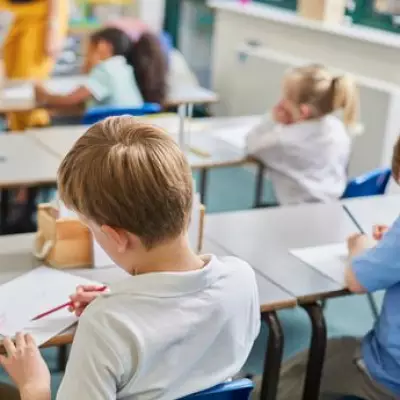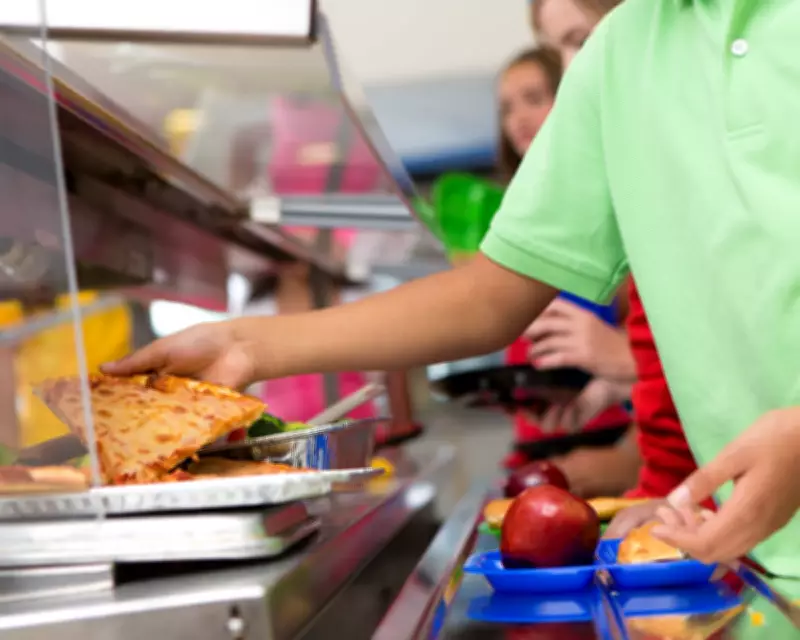
State school pupils in England are increasingly subjected to grab-and-go lunches, such as pizza and sausage rolls, rather than proper meals, according to recent concerns raised by experts. This trend is linked to shortened lunchtimes and organisational issues in secondary schools, which are exacerbating health and educational disparities.
Declining Standards in School Dinners
In a letter to the Guardian, John Sommer and Dr Ginevra Read highlighted the declining quality of school meals, attributing it to how lunchtimes are managed. Schools have been reducing lunch breaks, often to address behavioural problems and cut supervision costs. However, this approach is shortsighted, as it intensifies the rush for food, increasing tensions among students instead of alleviating them.
Impact on Health and Learning
The grab-and-go mentality encouraged by these systems means children are left with ultraprocessed snacks instead of nutritious meals. Dr Ginevra Read, a consultant psychiatrist from Bristol, pointed out that this creates a further disadvantage in an already tiered education system. While private schools offer fresh meals and adequate time to eat, state school pupils face long queues and limited seating, negatively affecting their health, concentration, and ability to learn.

Calls for Government Intervention
John Sommer suggested that beyond minimum nutrition standards, government guidance on organising lunchtimes could help make good school lunches a reality. This disparity between state and private schools should be a concern for all, as it impacts children's wellbeing and academic performance. The issue underscores the need for systemic changes to ensure all pupils have access to healthy, sit-down meals during the school day.