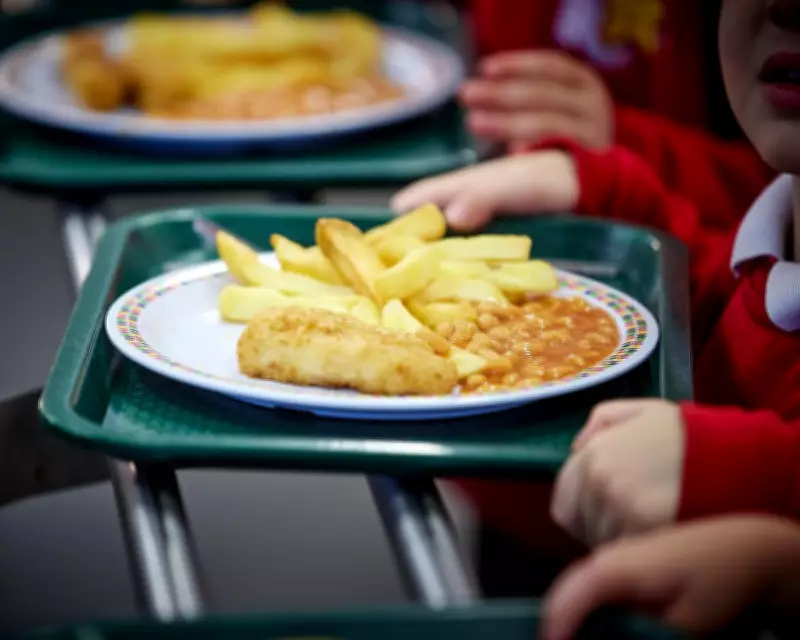
England's School Food Overhaul Bans Deep-Fried Items to Combat Childhood Obesity
Significant changes are set to transform school meals in England, with a comprehensive overhaul of food standards that will see calorific classics like fish and chips and steamed sponges removed from menus. The government has announced these updates, the first major revision in 13 years, as part of a concerted effort to address rising childhood obesity rates. Data from the NHS in January 2024 revealed that 24% of nursery and primary school children are overweight or living with obesity, underscoring the urgency of this initiative.
New Standards and Implementation Timeline
The new rules will apply from September 2027, introducing strict guidelines to promote healthier eating habits. Key changes include a ban on all deep-fried items, such as battered fish and chicken nuggets, and a requirement for all school puddings to contain at least 50% fruit. This move places the future of popular desserts like steamed sponges and jam doughnuts in doubt, marking a shift towards more nutritious options.
Education Secretary Bridget Phillipson described the overhaul as "the most ambitious overhaul of school food in a generation", emphasising that every child deserves "delicious, nutritious food at school that gives them the energy to concentrate, learn and thrive". She highlighted the importance of robust compliance to ensure that high standards on paper translate into quality meals on plates.

Support from Campaigners and Experts
Henry Dimbleby, co-founder of the Leon chain and co-author of the 2013 school food plan, welcomed the new standards, calling them "a rare chance to reset school food". Currently, schools are permitted to serve deep-fried food twice weekly and desserts with less than 50% fruit three days a week. Dimbleby stressed that the success of these changes hinges on a strong commitment from both the government and schools, noting that they could boost children's health, academic outcomes, and future success if implemented effectively.
In response, five leading education and food organisations have formed the School Food Project, a partnership including Bite Back, Chefs in Schools, Jamie Oliver Group, School Food Matters, and The Food Foundation. This initiative has raised £2.3 million through donations and aims to launch in September 2026, providing practical support to schools to help them produce healthier, higher-quality meals in line with the new standards.
Voices from the Campaigning Front
Celebrity chef Jamie Oliver, a long-time advocate for improving children's food, expressed delight at the government's action, describing school food as the "most important restaurant chain" in the country. He recalled that "twenty years ago, dog food had higher standards than school dinners", highlighting the progress made and the opportunity to improve health on a large scale, as schools will provide two-thirds of a child's daily diet during term-time.
D'Arcy Williams, CEO of the youth-led group Bite Back, praised the announcement as a "long-overdue step towards improving the food young people rely on every day". However, he cautioned that significant challenges remain, pointing out that many children consume excessive sugar and that three-quarters of parents are concerned about their children's diets. Williams criticised the existing system for lacking proper monitoring and accountability, which has allowed a "grab-and-go culture" to prioritise convenience over nutrition in many schools.
This overhaul represents a pivotal moment in England's approach to school nutrition, aiming to create a healthier future for children through enforced standards and collaborative support.