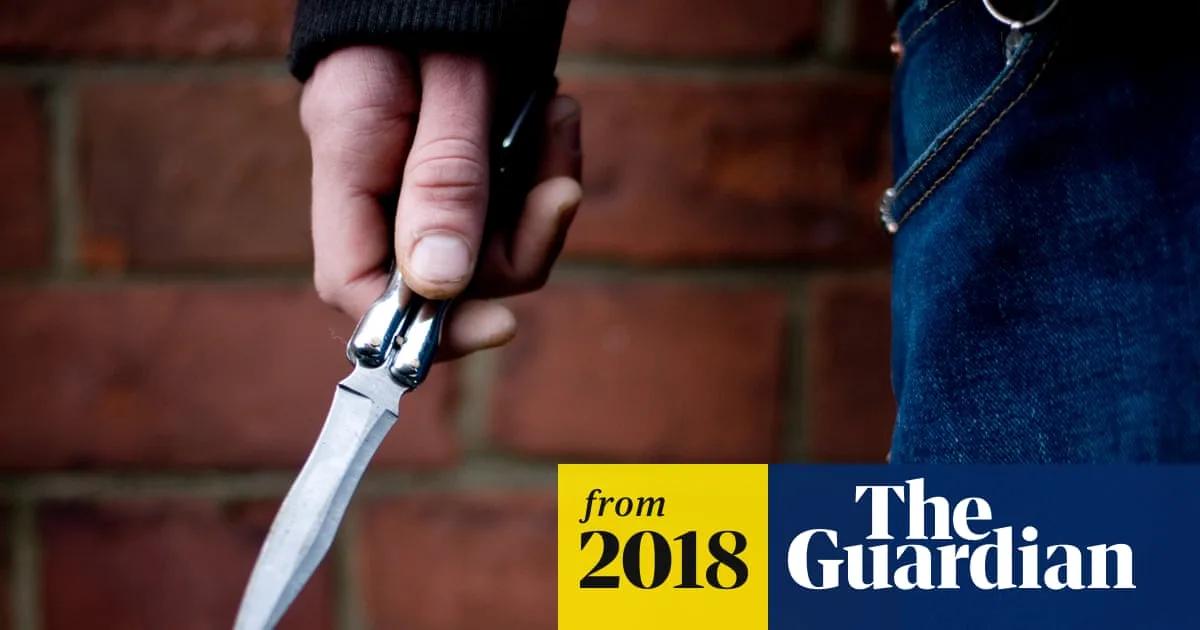
Youth workers are ill equipped to prevent online arguments by pupils and gangs escalating to violence, say criminologists. Experts have told the Guardian that youth workers should receive training on the link between social media and violence, amid warnings that gangs are increasingly using social media sites to taunt each other.
Criminology lecturer and youth worker Craig Pinkney, who runs one-day courses in the UK and internationally, says the government needs to modernise its approach. “The government should consider funding programmes that educate youth workers in social media because lots of people are still using the same ideas they did in 2001 and 2005 and they are presenting them in 2017, when the scope has changed,” Pinkney told the Guardian. “If there is a fight outside school now, for example, the chances are that social media has been involved and we help professionals understand that.”
Earlier this week, Metropolitan police commissioner Cressida Dick blamed social media for playing a part in youth violence. She told the Times that social media sites “rev people up” and trivial disputes could escalate into violence “within minutes” when rivals set out to goad each other on the internet.
Dr Simon Harding, a senior lecturer in criminology at Middlesex University, said: “We started noticing gangs using social media four years ago and since then [the numbers using it] have doubled every year … it’s hard to quantify that because there are no statistics or research, but every street gang I am familiar with now has an online presence.” He expressed concern about young people being groomed and inadvertently drawn into violent activities after making contact with gangs over social media.
Debi Thomas, project coordinator for the Catch22 Social Justice and Rehabilitation Dawes Unit in Wolverhampton, said her role increasingly involved discussions about social media. “We have started to focus on it more over the years and it is a case of talking to young people about it and warning about the dangers. It is also about looking at the preventative side of things and going into schools and providing sessions about social media.”
Pinkney added: “In terms of policy makers it’s about linking with the police and having an understanding, not just blaming young people. We can’t just say they are becoming more violent on social media, ignoring the situations they face now; such high unemployment, lack of opportunities and poor education.”