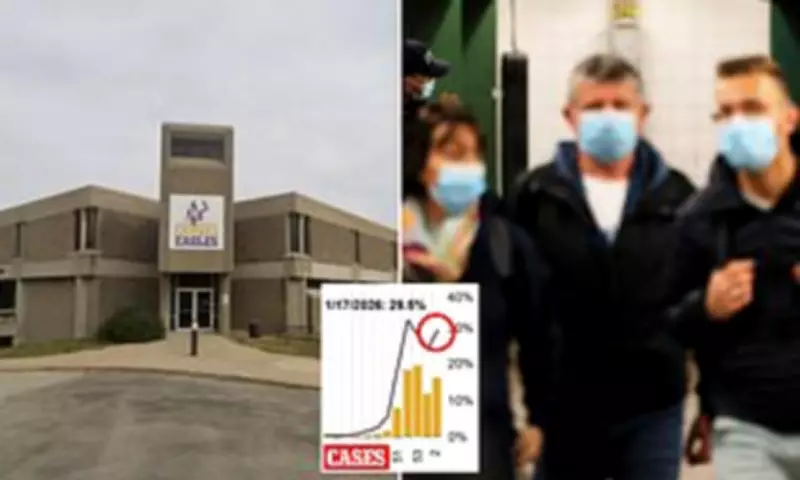
Educational institutions across the United States are facing renewed disruption as a surge in winter illnesses prompts school closures and a return to remote learning protocols. The Keota Community School District, located in the small town of Keota, Iowa, has become the latest to implement such measures, announcing the closure of its elementary and junior/senior high schools for Thursday, January 29, 2026.
District Responds to High Volume of Illness
The district, which serves approximately 300 students across its two campuses, cited a high volume of illness among both students and staff as the primary reason for the temporary shutdown. While officials did not specify the exact illnesses affecting the school community or provide precise numbers of those unwell, the decision reflects growing concerns about viral transmission in educational settings.
In a statement posted on Facebook, district accounts confirmed that Thursday would operate as a virtual school day. Elementary students were instructed to complete designated packet work, while junior and senior high students were directed to check their email and Google Classroom for assignments and activities. This shift underscores the ongoing reliance on digital platforms to maintain educational continuity during health-related disruptions.

Severe Flu Season Fuels Closures
The closure in Keota occurs against the backdrop of a particularly severe influenza season, largely driven by the H3N2 subclade K variant, colloquially known as super flu. According to the most recent data from the Centers for Disease Control and Prevention (CDC), covering the period through January 17, this season's flu has already infected an estimated 15 million Americans nationwide.
The national impact includes approximately 180,000 hospitalisations and 7,400 fatalities, with 44 paediatric deaths reported, 12 of which occurred in the week leading up to the data release. Although infections and hospitalisations have shown signs of declining after a peak around the holiday season, CDC indicators still classify flu activity as high in Iowa, highlighting the persistent threat.
Iowa's Elevated Viral Activity
State-specific data reveals that Iowa is experiencing particularly intense viral circulation. During the week of January 17, 29 percent of influenza tests in Iowa returned positive, a figure that represents a five percent increase from the previous week and significantly exceeds the national positivity rate of 18 percent for the same period.
Furthermore, influenza accounted for 6.4 percent of emergency department visits in Iowa during that week, compared to 4.4 percent nationally. The state's health metrics also indicate that four percent of students were absent due to illness during the week of January 17, marking the highest absentee rate of the season so far, albeit slightly lower than the same period last year.
Iowa's mortality data for the season reports 54 influenza-associated deaths among adults, with no paediatric fatalities recorded to date. Concurrently, Covid-19 continues to circulate, with CDC wastewater surveillance indicating very high activity levels in Iowa compared to moderate activity nationwide. State figures show a 7.7 percent positivity rate for Covid tests during the week of January 17, alongside 55 reported deaths for the virus season.
Broader Pattern of Educational Disruption
The situation in Keota is not an isolated incident. Last month, the super flu variant prompted similar closures at other educational institutions, including Villa Duchesne Catholic School in St. Louis, Missouri, which shut down for multiple days in mid-December 2025 for emergency flu testing and investigation.
In Iowa itself, the Moulton-Udell school district cancelled classes and sports activities after nearly 30 percent of students and staff fell ill around the same time. District officials described the two-day closure as a necessary response to an extremely high rate of sickness, illustrating the challenging decisions facing school administrators.

Healthcare Settings Reinforce Precautions
The ripple effects of the winter illness surge extend beyond schools into healthcare environments. In December, Detroit Medical Center implemented visitor restrictions reminiscent of Covid-era protocols to safeguard patients and staff from viral spread. These updated guidelines limited guest numbers, prohibited visitors under the age of 12, and barred anyone aged 13 and above who was currently experiencing symptoms.
This move followed the reinstatement of masking requirements for hospital staff and visitors in facilities across New Jersey and New York, signalling a cautious approach within the healthcare sector as respiratory viruses circulate widely.
As communities navigate this challenging period, the closures in Keota and elsewhere serve as a stark reminder of the ongoing impact of seasonal illnesses on public life, particularly within educational and healthcare systems. The data from Iowa underscores the localized intensity of this year's flu season, prompting adaptive measures to protect community health while striving to maintain essential services and learning opportunities.