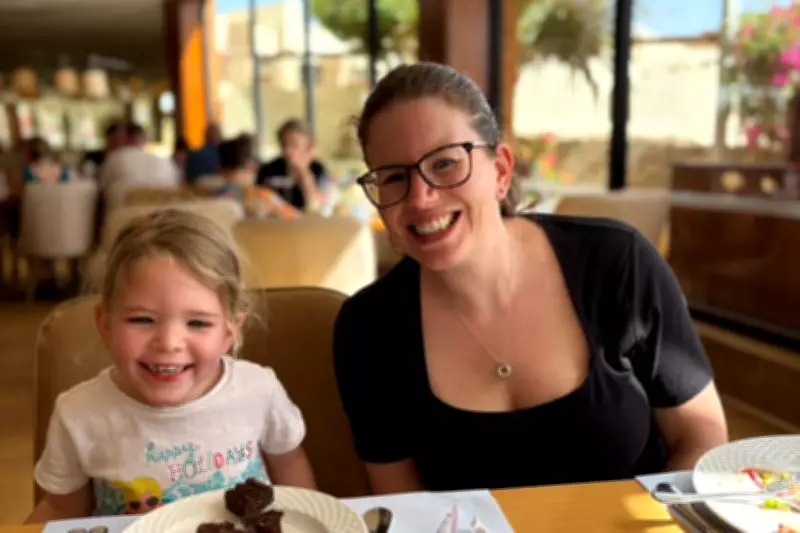
Christine Lote, a mother from Bristol diagnosed with an incurable stage four rare cancer, is spearheading a campaign to overhaul school admissions policies across the UK. This initiative follows the distressing rejection of her daughter's application to their preferred primary school, a decision that has profound implications for her family's future.
A Personal Struggle for Fairness
Mrs Lote, who is an amputee, selected the school primarily for its close proximity, which is crucial for her mobility challenges. Additionally, the institution boasts staff trained in bereavement support, a vital consideration as she does not anticipate living long enough to witness her daughter graduate from primary school. Despite these compelling personal circumstances, South Gloucestershire Council upheld its decision to deny the appeal, citing that their current admissions policy does not account for medical conditions.
Disparities in Local Authority Policies
This case has brought to light significant inconsistencies in how different local authorities handle such sensitive situations. While South Gloucestershire maintains a strict stance, other councils across the country have implemented 'social or medical need' exemptions within their policies. This discrepancy has been described as a 'postcode lottery', where families in similar predicaments face vastly different outcomes based solely on their geographical location.

Political Intervention and National Review
In response to Mrs Lote's plight, her local MP, Claire Hazelgrove, has taken the matter to Parliament, raising it during a recent session. This advocacy has prompted a commitment from Schools Minister Georgia Gould to conduct a comprehensive review of the national schools admissions code. The aim is to enhance fairness and ensure better support mechanisms for families grappling with exceptional medical or social needs.
Looking Beyond Personal Circumstances
Although any potential changes to local policy will arrive too late to benefit her own daughter, Mrs Lote remains steadfast in her mission. Together with MP Hazelgrove, she is actively participating in the government's ongoing consultation process. Their submission emphasises the urgent need to eliminate the current inequities, hoping to pave the way for a more compassionate and uniform approach that assists other families facing analogous challenges in the future.
This campaign underscores broader issues within the education system, highlighting how rigid policies can inadvertently overlook individual hardships. As the national review progresses, it may lead to significant reforms that prioritise human dignity and practical support over bureaucratic uniformity.