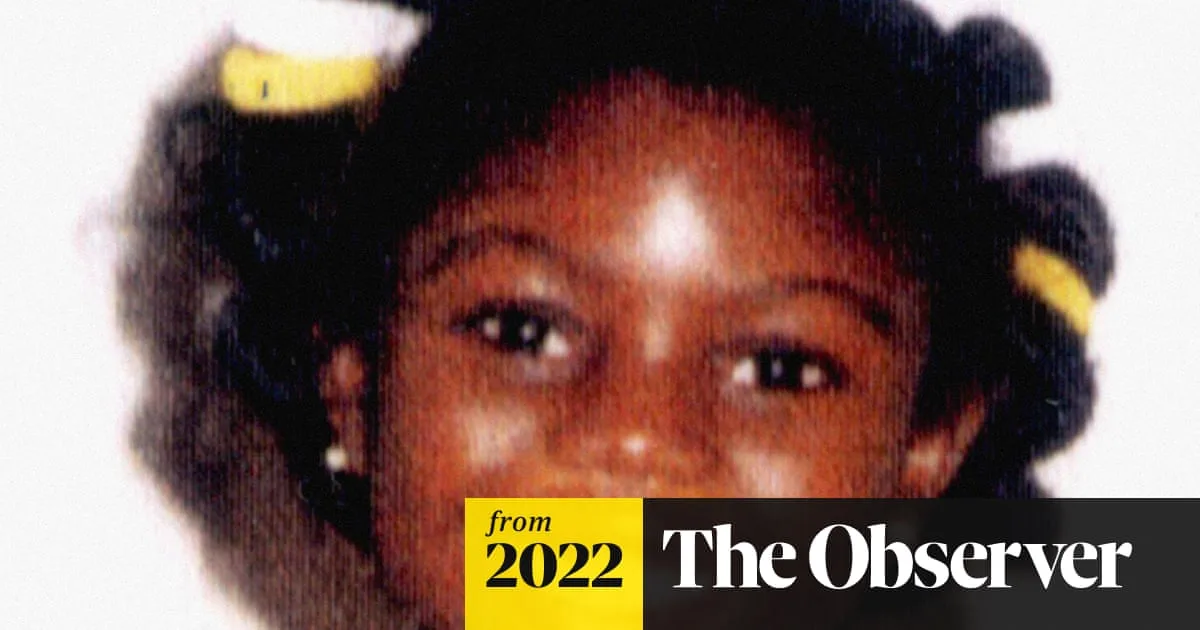
Twenty years after the murder of Victoria Climbié exposed catastrophic failures in the child protection system, children in Britain continue to die from abuse and neglect due to repeated safeguarding lapses. Recent cases include the murders of Arthur Labinjo-Hughes, Star Hobson, and Logan Mwangi, as well as the manslaughter of Hakeem Hussain—all of whom were known to authorities before their deaths.
Logan Mwangi, five, suffered a “slow and painful death” after months of abuse, including being locked in a dungeon-like bedroom. His teachers had flagged concerns, and social workers and police were aware of his injuries and death threats. Hakeem Hussain, seven, died from an asthma attack while his mother was high on drugs; a school nurse had predicted his death days earlier, and his half-siblings had already been removed from her care.
In 2020, there were 206 serious safeguarding incidents involving child deaths in England, with 56 resulting from filicide, physical abuse, or cruelty. Experts argue that many such deaths are preventable with a well-functioning system, but resource cuts and rising caseloads—social workers in some areas managing over 30 children each—undermine risk assessments.
The dual role of social workers, supporting families while advocating for children, creates tension. Abusive parents can be deceptive, and children have died when professionals focused on parental needs over child safety. The Laming inquiry into Victoria Climbié’s death highlighted this issue, yet it persists.
Investment in training and support for social workers is needed, alongside preventative approaches like Leeds’ model, which reduced children in care through family support. However, outstanding leadership remains scarce in a system under strain.