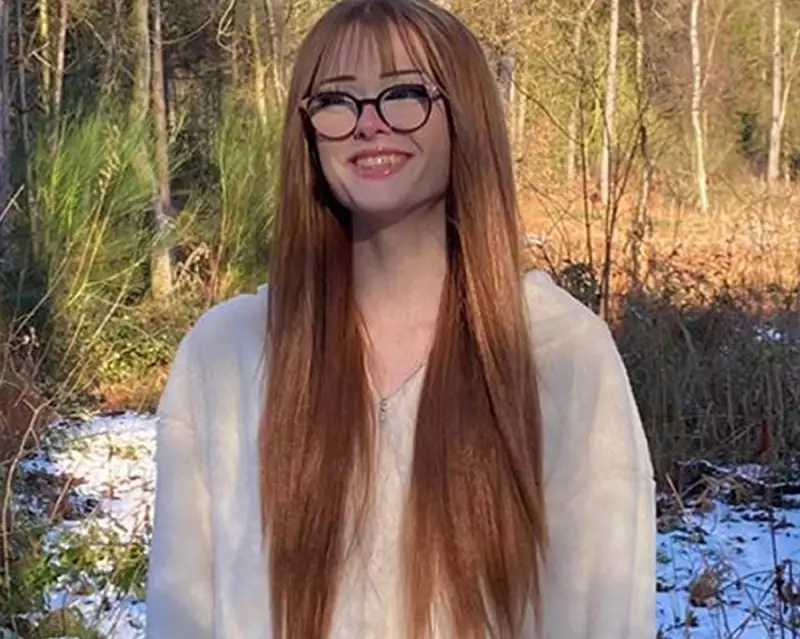
Mother of Murdered Teenager Demands Immediate Social Media Ban for Under-16s
Esther Ghey, the mother of Brianna Ghey who was tragically murdered in 2023, has issued an urgent plea for parliament to ban social media access for children under the age of 16. Speaking to the Guardian's Politics Weekly podcast, Ghey accused the government of "kicking the can down the road" with its planned consultation on the matter, arguing that immediate action is essential to protect vulnerable young people.
Mental Health Crisis and Social Media Addiction
Ghey has previously detailed how she believes her daughter's social media addiction contributed significantly to her mental health issues, which in turn led Brianna to take risks with her personal safety. She emphasised that the evidence for harm is already clear, pointing to alarming statistics.
"We know that there are each day, in England alone, 500 mental health referrals for children," Ghey stated. "We need to really think what is impacting this, why is there such an increase in mental health issues, why is there an increase on peer and peer violence in schools, why is there a difficulty retaining teachers in schools."

She warned that further delays would only result in more children being harmed, asserting: "We need to move now because as we're waiting more and more children are being harmed."
Parliamentary Showdown and Political Divisions
Ghey's impassioned call comes as MPs prepare to vote on an amendment to the children's wellbeing and schools bill from Lord John Nash, which would enact a ban for under-16s within 12 months of the bill passing. This has sparked considerable political debate and division.
Prime Minister Keir Starmer recently attempted to head off a potential Labour rebellion by announcing a consultation, which is due to report in the summer. While Starmer has expressed openness to the idea of a ban, he and other cabinet members, including Technology Secretary Liz Kendall and Education Secretary Bridget Phillipson, harbour reservations.
Their concerns primarily revolve around:
- The practical implementation of such a ban
- Whether it might inadvertently drive children onto the dark web
- The need for careful, evidence-based policymaking rather than quick fixes
Voices of Caution and Support
These doubts are shared by Ian Russell, the father of Molly Russell who took her own life at 14 after exposure to harmful social media content. Russell cautioned against moving too hastily, telling the Guardian: "We're in danger of trying to move too fast and trying to find quick-fix solutions. If there were quick-fix solutions, honestly, we would have found them."
Despite these cautions, there remains significant parliamentary support for age restrictions. More than 60 Labour MPs recently signed a letter to the prime minister calling for a ban, though this was before the government announced its consultation. Some signatories have since indicated they would allow the consultation to conclude, while remaining committed to a ban in principle.
Fred Thomas, the MP who organised the letter, commented: "I would welcome a government amendment to the children's wellbeing and schools bill enabling the UK to remove access to social media for under-16s through secondary legislation, based on consultation."
The issue is set to come to a head when MPs debate the Lords' amendments to the children's wellbeing and schools bill, with Esther Ghey's powerful testimony adding considerable weight to calls for immediate legislative action to safeguard the nation's youth from online harms.