French Parliament Approves Groundbreaking Social Media Ban for Minors
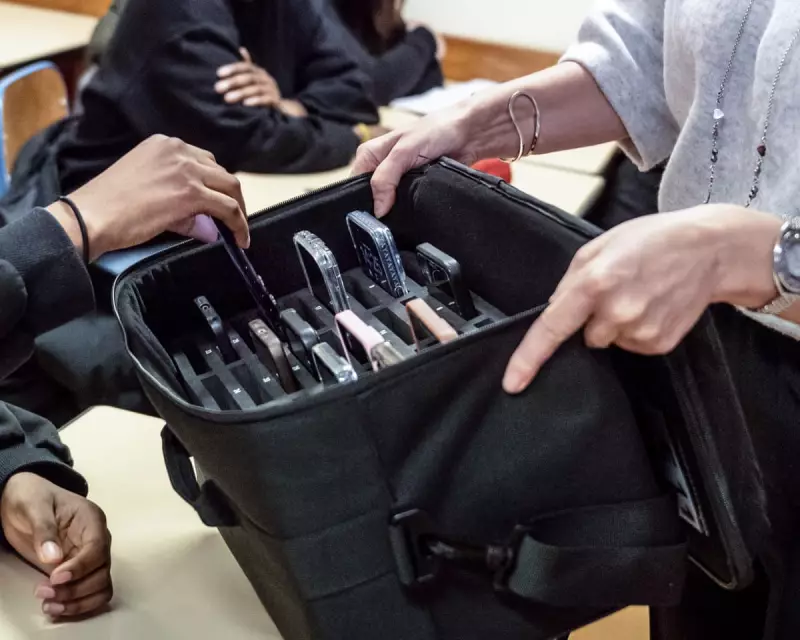
In a significant move to safeguard young people from the digital world, French lawmakers have voted to prohibit social media access for children under the age of 15. The legislation, which also enforces a ban on mobile phones within high schools, positions France as the second nation globally to implement such stringent measures, following Australia's recent action.
Overnight Vote Sees Bill Pass Lower House
The French National Assembly adopted the proposed text during a lengthy overnight session from Monday to Tuesday, with a decisive vote of 130 to 21. The bill will now proceed to the Senate, the country's upper house, for further consideration before it can become law. President Emmanuel Macron, a vocal advocate for the legislation, hailed the parliamentary decision as a "major step" in protecting French children and teenagers from the potential harms of excessive screen time.
Aligning with Global Concerns Over Youth Mental Health
As social media platforms have proliferated, so too have concerns regarding their impact on child development and mental wellbeing. The French public health watchdog, ANSES, recently highlighted several detrimental effects associated with platforms like TikTok, Snapchat, and Instagram, particularly for adolescent girls. These risks include cyberbullying and exposure to violent content, though the agency noted that social media is not the sole factor in declining mental health among youth.

In a video broadcast, President Macron emphasised the need to shield young emotions from manipulation, stating: "The emotions of our children and teenagers are not for sale or to be manipulated, either by American platforms or Chinese algorithms."
Implementation Timeline and Enforcement Details
Authorities aim for the measures to take effect from the start of the 2026 school year for new social media accounts. Gabriel Attal, leader of Macron's Renaissance party in the lower house and a former prime minister, expressed hope that the Senate would pass the bill by mid-February. This would allow the ban to come into force on 1 September, with social media platforms given until 31 December to deactivate existing accounts that do not comply with the age restriction.
Attal underscored the broader implications of the legislation, arguing it would counter efforts by external powers to "colonise minds" through social media. He proclaimed: "France can be a pioneer in Europe in a month: we can change the lives of our young people and our families, and perhaps also change the destiny of our country in terms of independence."
Criticism and Calls for Alternative Approaches
Not all voices have been supportive of the proposed ban. Arnaud Saint-Martin of the hard-left France Unbowed party criticised it as "a form of digital paternalism" and an overly simplistic response to technology's negative impacts. Additionally, nine child protection associations urged lawmakers to focus on holding platforms accountable rather than outright banning children from social media.
Extending Existing Mobile Phone Restrictions
The new legislation builds upon previous measures, including a 2018 ban on mobile phone use in colleges for children aged 11 to 15. Macron has also backed extending this prohibition to high schools, though former prime minister Elisabeth Borne voiced reservations, noting the complexity of enforcement and the need to ensure existing bans are properly upheld in middle schools.
Technical and Regulatory Hurdles Ahead
For the social media ban to become a reality, an effective age verification system must be implemented. Work on developing such a system is currently underway at the European level, highlighting the broader regulatory challenges involved in digital protection. The draft bill does provide exemptions for online encyclopedias and educational platforms, recognising the value of certain digital resources.
This legislative push reflects a growing international consensus on the need to balance digital innovation with the protection of vulnerable young users, setting a potential precedent for other European nations to follow.