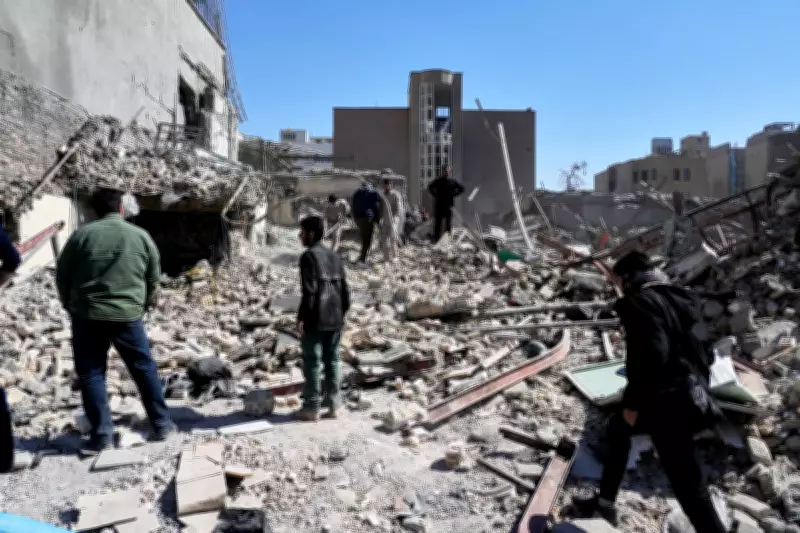
As a peace studies expert, I observe that political leaders frequently initiate military conflicts even when such actions may ultimately harm their own nations. This paradoxical decision-making often stems from a calculation that short-term advantages outweigh the potential damage inflicted upon their citizens. However, these leaders frequently fail to fully comprehend or acknowledge the profound long-term consequences that warfare inevitably brings.
The Ancient Roots of Modern Conflict
Human conflict predates organized governments, national boundaries, and even written language. Archaeological evidence reveals skeletons bearing weapon injuries dating back over ten thousand years, demonstrating that warfare has been an unfortunate constant throughout human history. Each conflict carries devastating impacts on both human populations and environmental systems, with wars arising from diverse motivations that make every situation unique.
The Framework of Just War Theory
Scholars and policymakers have long utilized "just war theory" to evaluate the ethical dimensions of armed conflict. This ancient yet remarkably relevant philosophical framework helps determine when warfare might be justified, establishes guidelines for military conduct, and outlines protections for non-combatants including children, families, and civilian populations.

According to just war principles, nations possess the inherent right to defend themselves against external aggression and invasion. However, the theory imposes crucial limitations: the harm caused by warfare must not exceed the original problem being addressed, there must be a realistic possibility of achieving victory, and all diplomatic alternatives including negotiation and agreement must be exhausted before resorting to violence.
Modern Applications and Violations
These classical concepts have evolved into contemporary international laws and agreements designed to promote global stability and peace. The rules explicitly prohibit attacks on civilian infrastructure essential for human survival, including hospitals, power generation facilities, and educational institutions. Unfortunately, not all nations adhere to these principles when engaging in warfare, though legal mechanisms exist to hold leaders and military personnel accountable for violations.
Understanding the Motivations Behind Warfare
Conflicts typically emerge from fundamental disagreements, perceived threats, or ambitions for expanded influence and control. Some leaders choose military action to avoid appearing weak or vulnerable, while others utilize warfare as a distraction from domestic problems, thereby consolidating their political position during periods of unpopularity or instability.
Decision-makers may genuinely believe in the righteousness of their cause while simultaneously underestimating the duration and complexity of military engagements. Truly effective leadership avoids these miscalculations, prioritizing long-term national wellbeing over short-term political gains.
Resource Competition and Environmental Factors
Another significant driver of conflict involves perceived opportunities for economic or strategic advantage through territorial acquisition. As finite resources including fossil fuels and rare earth metals become increasingly scarce, international competition intensifies, creating conditions ripe for military confrontation.
Climate change further exacerbates these tensions by diminishing access to essential resources including clean water and arable land. Peace experts emphasize that cooperative resource management and diplomatic bargaining represent far more sustainable approaches than military aggression.
The Path Toward Peaceful Resolution
Despite ongoing conflicts in regions including Ukraine, Afghanistan, and Iran, the majority of international disputes continue to be resolved through diplomatic channels and cooperative problem-solving. Many conflict resolution specialists view warfare as evidence of systemic failure, arguing that all parties ultimately lose when they choose combat over compromise and collaboration.

Pacifist philosophy maintains that armed conflict is never justified, advocating instead for persistent pursuit of nonviolent solutions. As a peace researcher, I share this perspective that a more peaceful global order remains achievable through sustained commitment to dialogue, mutual understanding, and shared prosperity.