The World Health Organisation has warned that the escalating conflict in the Middle East could 'spin out of control', leading to an 'unprecedented, long lasting impact' on the region. Dr Hanan Balkhy, the WHO's regional director, said the organisation was preparing for chemical, radiological, nuclear and biological risks as hostilities between the US, Israel and Iran intensify.
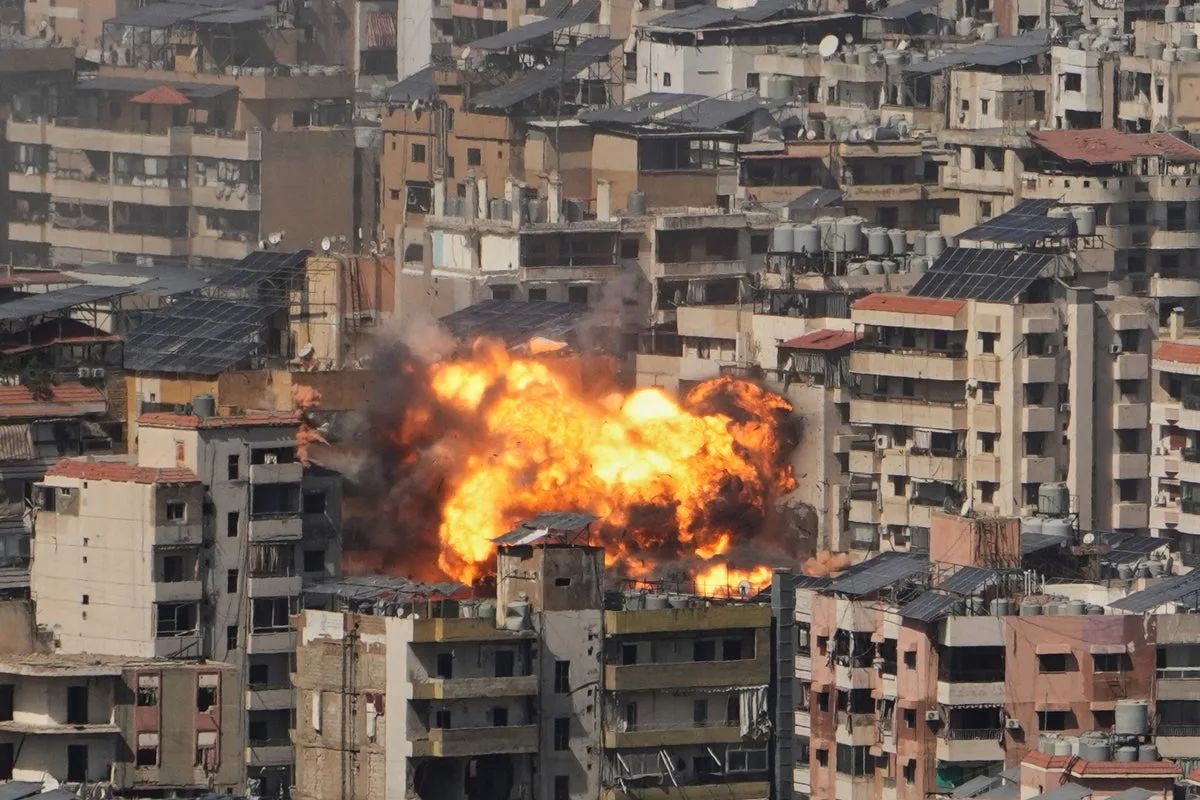
The US and Israel have continued their bombing campaign against Iran, including strikes on oil facilities that sent toxic clouds over Tehran. US defence secretary Pete Hegseth described it as 'our most intense day of strikes'. In response, Iran fired missiles and drones at targets across Israel and the Gulf, including a US base in Kuwait. Meanwhile, Israel pounded suburbs and central Beirut, with Lebanon reporting at least seven deaths from strikes on the city's Corniche, where displaced families had been sleeping.
Dr Balkhy expressed particular concern about environmental devastation, noting that the WHO had received multiple reports of oil-laden 'black rain' in Iran after an oil refinery was hit. 'It's unprecedented. This is a multi-country, multi-region escalation that is taking place,' she said. 'It can spin out of control and lead to even more damage through a chemical, nuclear or radiological war.'
In Lebanon, Israel's offensive against Hezbollah has forced five hospitals to close, according to the country's health minister. More than 800,000 people have been displaced and over 600 killed. Health minister Rakan Nassereddine appealed for medical supplies, including surgical kits and first aid kits, and urged the international community to stop attacks on civilians and medical services.
Faysal, a father of two who fled his village in southern Lebanon for what he thought was safety in Beirut, described being thrown from his bed by an Israeli strike. 'We saw everything on the ground here collapse. Everyone was running... There are no safe areas any more,' he said. The veteran British-Palestinian surgeon Ghassan Abu-Sittah, who is treating wounded children in Lebanon, said there was not even a 'glimmer of hope'.