US Terminates $367 Million Health Aid to Zimbabwe Over Data Sharing Dispute
The United States has announced it will wind down all health assistance to Zimbabwe after negotiations on a proposed $367 million bilateral funding deal collapsed. The African nation withdrew from talks, rejecting the U.S. proposal partly due to requirements to share sensitive health data.
Funding Withdrawal Casts Uncertainty Over HIV Programs
The loss of Zimbabwe's largest health donor creates significant uncertainty for programs combating HIV and supporting the public health sector in one of the world's most vulnerable health systems. Patients in Zimbabwe often must supply basic items such as bandages at clinics and frequently purchase their own medicines due to existing shortfalls.
Zimbabwean authorities stated the funding proposal carried unacceptable conditions. Government spokesperson Nick Mangwana explained on Wednesday that the decision was driven by concerns over data sharing, fairness, sovereignty, and Washington's broader shift away from global health institutions.

"The U.S. proposal was tied to comprehensive access to Zimbabwe's sensitive health data, including virus samples and epidemiological information from our citizens," Mangwana said.
Reciprocal Data Sharing Demands Not Met
Mangwana revealed that President Emmerson Mnangagwa directed negotiations be terminated because the United States was not offering "a corresponding guarantee of access to any medical innovations — such as vaccines, diagnostics, or treatments — that might result from that shared data."
"The United States was not offering reciprocal sharing of its own epidemiological data with our health authorities," Mangwana added. "In essence, our nation would provide the raw materials for scientific discovery without any assurance that the end products would be accessible to our people should a future health crisis emerge."
Extraordinary Benefits Now Lost
The U.S. had offered $367 million over five years to support Zimbabwe's priority health programs, including HIV/AIDS treatment and prevention, tuberculosis, malaria, maternal and child health, and disease outbreak preparedness, according to the U.S. embassy in Zimbabwe.
U.S. ambassador Pamela Tremont stated in a Tuesday announcement that the proposed deal would have represented the largest potential health investment in Zimbabwe by any international partner, providing "extraordinary benefits for Zimbabwean communities — especially the 1.2 million men, women, and children currently receiving HIV treatment through U.S.-supported programs."
"We will now turn to the difficult and regrettable task of winding down our health assistance in Zimbabwe," Tremont said, adding that Zimbabwe had indicated it was prepared to continue its HIV response independently. "We wish them well."
Longstanding Partnership Dissolved
The United States has been Zimbabwe's largest bilateral health donor for years, providing nearly $2 billion in assistance since 2006. The U.S. claims it "is directly responsible" for Zimbabwe's success in reaching United Nations targets for HIV treatment, testing and viral load suppression.
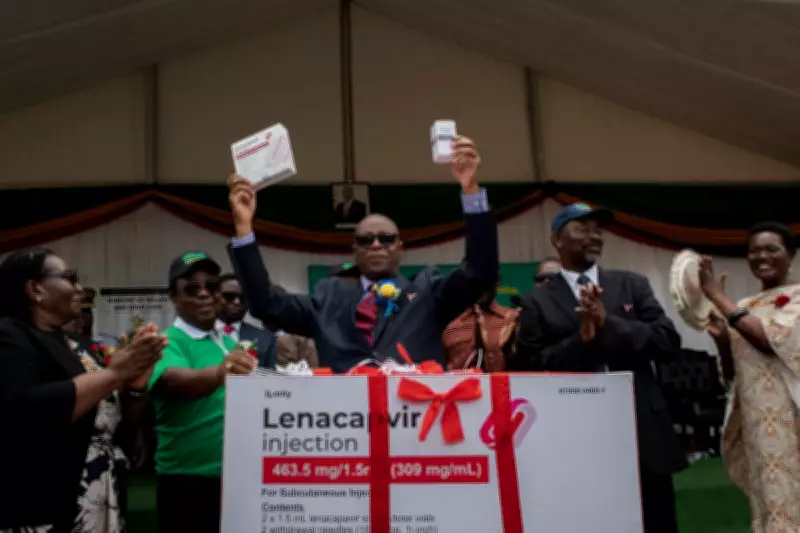
Zimbabwe has recently begun rolling out lenacapavir, a long-acting HIV prevention drug administered twice a year. The rollout was supported by the United States President's Emergency Plan for AIDS Relief (PEPFAR) in partnership with the Global Fund, raising questions about future deliveries under the program.
Medical Community Expresses Concern
Zimbabwe's College of Public Health Physicians has urged continued talks, citing the need for continued U.S funding for "critical components" of Zimbabwe's public health system.
"An abrupt discontinuation of such support could risk treatment interruption, increased transmission, the emergence of drug resistance, and additional strain on the health system," the college warned in a statement.
Broader Shift in US Global Health Policy
Zimbabwe, like many low-income countries, has been grappling with the effects of aid reductions that began under President Donald Trump, although some programs continued under PEPFAR. The U.S. in January also withdrew from the World Health Organization, part of a broader reconfiguration of global health engagement.

Under the new U.S. framework, the Trump administration has pursued bilateral "America First" health funding agreements, replacing arrangements previously coordinated through the now-dismantled U.S. Agency for International Development.
The U.S. embassy in Zimbabwe revealed that agreements worth more than $18 billion have been signed with 16 African countries, although recipient countries would contribute about $7.1 billion of this amount as part of the U.S. drive to get countries to invest more in their own health sectors.
Regional Agreements and Legal Challenges
Several countries have already entered into the new pacts. Nigeria reached an agreement emphasizing Christian-based health facilities. Rwanda and Uganda have also signed deals, while some agreements, including those with Rwanda and Côte d'Ivoire, include provisions for private U.S. sector investment.
In Kenya, a pact signed in December has been delayed after the High Court suspended implementation pending a case filed by a consumer rights group over data safety concerns.
Multilateral Framework Preferred
Zimbabwean officials criticized the bilateral model as "a departure from the multilateral frameworks" and argued that virus data with pandemic potential should be shared exclusively through the WHO system.
"This system is designed to ensure that when a country contributes its data, the benefits — including vaccines and treatments — are shared equitably, not commercialized exclusively by those with the resources to develop them," Mangwana concluded.