As the ongoing conflict in Iran intensifies with no resolution in sight, the United States government has issued a crucial advisory outlining the essential items American households should maintain for emergency situations. Officials have emphasized that families must be prepared to sustain themselves independently for multiple days if a disaster occurs, potentially without immediate access to external assistance or emergency services.
Core Recommendations for Emergency Readiness
The Department of Homeland Security has provided specific guidance, recommending that every household store sufficient quantities of water, non-perishable food, and medical supplies to support all occupants during an extended crisis. At the forefront of these recommendations is water, with authorities advising at least one gallon per person per day for both drinking and sanitation purposes. This is considered one of the most critical survival measures during prolonged emergencies.
Essential Supplies and Safety Equipment
American citizens are strongly urged to assemble portable emergency kits containing vital safety items such as flashlights, battery-powered or hand-crank radios, extra batteries, and comprehensive first-aid kits. These supplies should be stored in airtight containers within easy-to-carry bins or bags to facilitate rapid evacuation if necessary. The checklist further includes tools for signaling help, sanitation supplies, and equipment to create safe indoor shelter if external conditions become hazardous.

Experts explain that these recommendations are designed to ensure family self-sufficiency during disasters when emergency responders might be overwhelmed or significantly delayed. Sean Gold, an Air Force veteran and founder of TruePrepper, emphasized to DailyMail, "Work on your general preparedness. Power outages often coincide with supply chain disruptions, so maintain supplies of food, water, fuel, etc. Planning for three days of self-sufficiency is an excellent starting point."
Specific Item Recommendations and Rationale
Officials specifically recommend non-perishable food items such as canned or dried goods that require minimal preparation during emergencies. A manual can opener is also suggested to ensure food accessibility during power failures. For communication, battery-powered or hand-crank radios, including NOAA weather radios priced between $15 and $80, are crucial for receiving emergency updates if cellular networks fail.
Additional essential items include whistles for signaling in low-visibility situations, air-filtering dust masks for deteriorating air quality, and shelter materials like plastic sheeting, scissors, and duct tape for sealing windows and doors against contaminated air. Sanitation supplies such as moist towelettes, garbage bags, and plastic ties help maintain hygiene during extended emergencies.
Utility Management and Communication Planning
Households are advised to learn how to shut off utilities including natural gas, keeping appropriate tools like wrenches or pliers readily available. If gas is detected, residents should immediately open windows, evacuate, and seek safety elsewhere. Since GPS systems, internet access, and cellular networks may fail during major emergencies, printed local maps serve as valuable backup resources.
Gold further recommended, "Create an emergency communication plan to coordinate with loved ones and establish procedures that don't rely on power or cell phones during outages." Backup battery packs and mobile charging devices can help keep phones operational when electricity is unavailable.
Tailoring Preparedness to Individual Needs
While the government identifies fourteen core items as essential, officials stress that households should customize their emergency kits according to specific requirements. Additional recommended supplies include prescription medications, eyeglasses, important documents, extra clothing, sturdy shoes, and personal hygiene items. Preparation should particularly address the needs of children, elderly family members, and pets within each household.

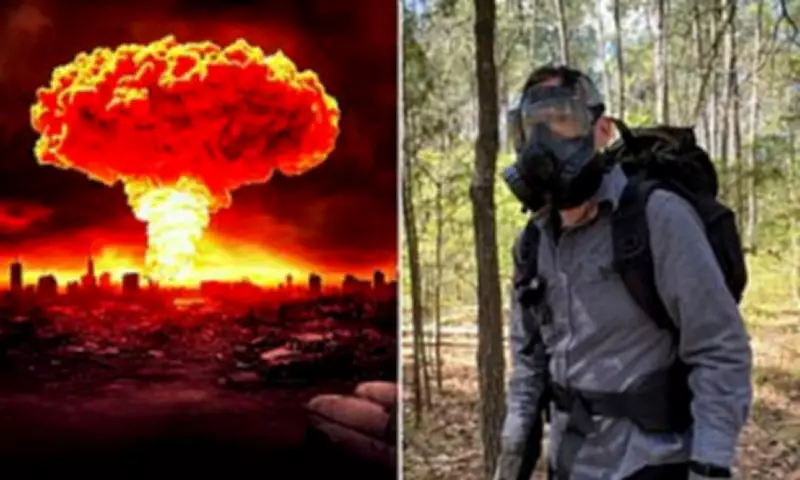
Although the current conflict with Iran hasn't directly impacted the US homeland, officials maintain that preparedness remains critically important regardless of immediate threat levels. This guidance coincides with global health organizations expressing concern about potential worst-case scenarios related to escalating conflicts. World Health Organization director Hanan Balkhy told Politico, "The worst-case scenario is a nuclear incident, and that's something that worries us the most," with both WHO and the United Nations preparing response strategies for such events.