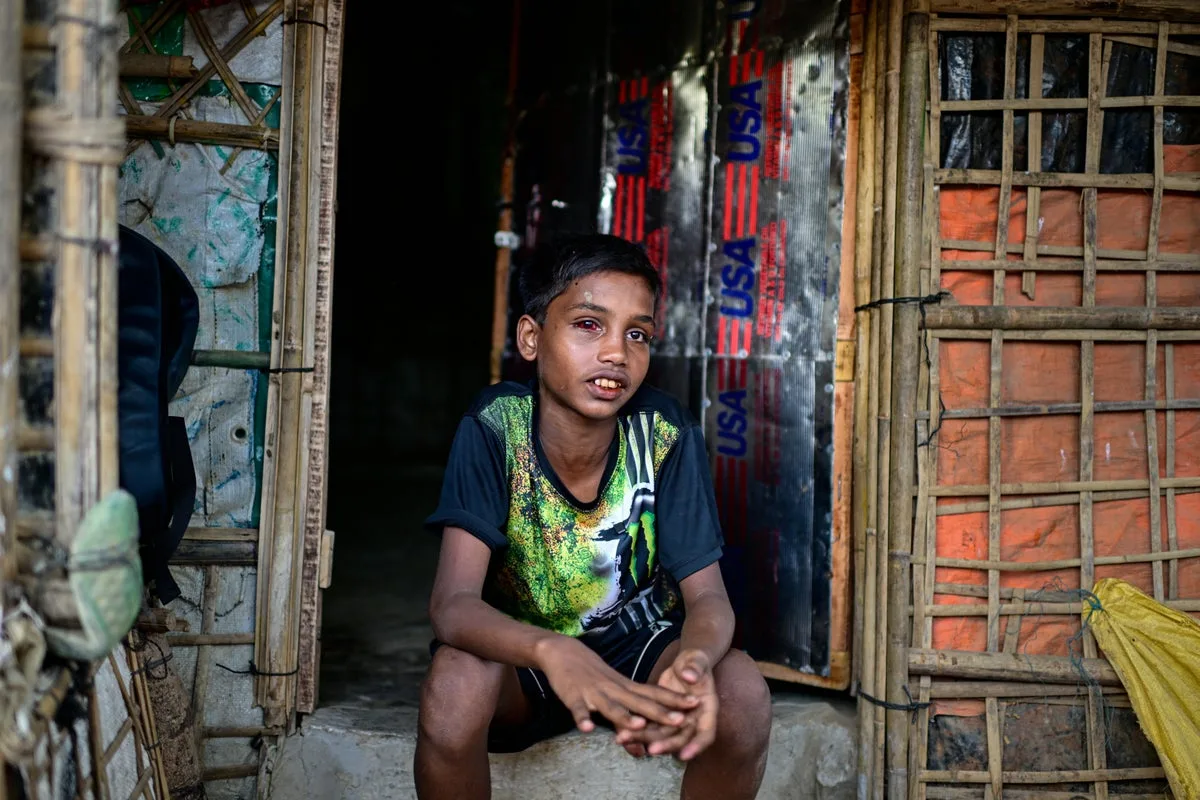
The United States' decision to slash its foreign aid programme has contributed to a sharp rise in abuses against children in Bangladesh's refugee camps for the Rohingya minority, the Associated Press has found. More than half of the 1.2 million Rohingya in the camps are children, who are entirely dependent on humanitarian aid as Bangladesh bars them from working and they cannot safely return to Myanmar.
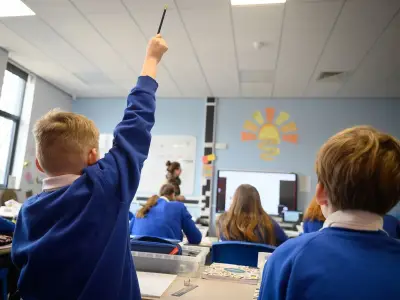
Since President Donald Trump dismantled the US Agency for International Development in January, the US contribution for 2025 has been cut nearly in half. UNICEF, the United Nations children's agency, lost 27% of its funding and subsequently closed 2,800 schools in June.
The school closures have had a devastating impact. Between January and mid-November, reported cases of abduction and kidnappings of children more than quadrupled to 560. Verified child marriage cases rose by 21% and child labour cases by 17% compared to the same period last year, with children as young as 10 forced into manual labour or unwanted marriages that often turned abusive.
Patrick Halton, a child protection manager for UNICEF, said: 'With the funding cuts, we had to downscale a lot in terms of the education. It’s meant that children have not necessarily had things to do, and we’ve therefore seen this rise in children being married, children being in child labour.'
The State Department said the US has provided more than $168 million to the Rohingya since the start of Trump's term, and that 11 countries increased their funding by over 10%, contributing $72 million collectively. It did not provide evidence that US influence drove those increases.