Iran's Cultural Heritage Under Fire: UNESCO Sites Damaged in Conflict
Recent military strikes by U.S. and Israeli forces have inflicted significant damage on at least four protected cultural and historical sites across Iran, including centuries-old palaces and an ancient mosque. This destruction has raised urgent alarms about the impact of escalating warfare on landmarks that are vital to Iranian identity and global historical heritage.
Verified Damage to Protected Sites
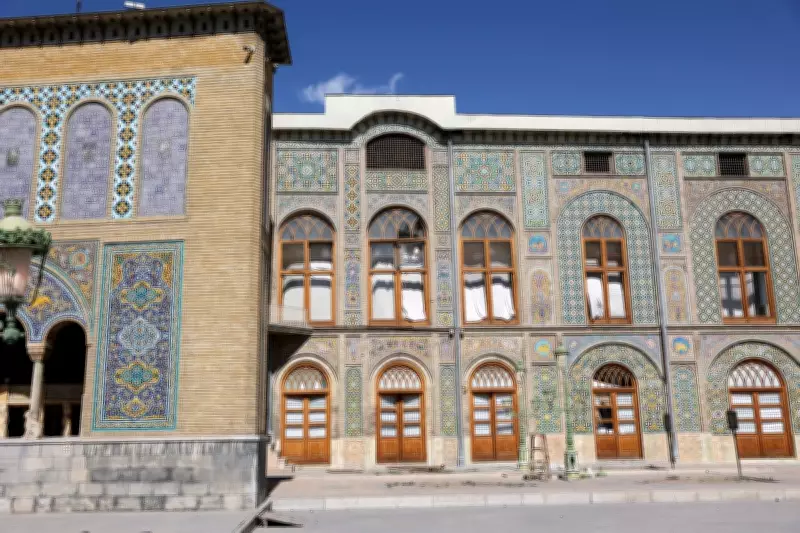
UNESCO has confirmed verified damage to multiple Iranian heritage locations following the strikes. The affected sites include the lavish Qajar-era Golestan Palace in Tehran, the 17th-century Chehel Sotoun palace, and the Masjed-e Jāme, Iran's oldest Friday mosque, both located in Isfahan. Additional damage has been documented near the Khorramabad Valley, an area containing five prehistoric caves and a rock shelter that provide evidence of human occupation dating back to 63,000 B.C.
According to Associated Press video footage from March 3, the damage at Golestan Palace is particularly severe. Shattered glass from mirrored ceilings blankets the floors alongside broken archways, blown-out windows, and damaged molding scattered beneath glass-mosaic walls.

International Response and UNESCO Protections
The speed and extent of the destruction have prompted Iran and Lebanon to formally request that UNESCO add additional sites to its enhanced protection list this week. UNESCO officials revealed that they had provided all conflict parties with precise geographical coordinates of heritage sites in advance, urging them to "take all feasible precautions to avoid damage."
These Iranian sites are among nearly 30 locations in the country designated for special protection under UNESCO's World Heritage list, which includes globally recognized landmarks like the Great Wall of China, Egyptian pyramids, Taj Mahal, and Statue of Liberty. The World Heritage Committee annually designates sites considered "of outstanding value to humanity" and intervenes when they face destruction threats.
Broader Pattern of Cultural Destruction
The damage extends beyond Iran, with UNESCO tracking similar impacts across the Middle East, including the White City in Israel and Tyre in Lebanon. This pattern reflects a decades-long trend of cultural site destruction during conflicts, from Russia-Ukraine tensions to Israel-Hamas hostilities, where dozens of heritage locations have been damaged or obliterated.
U.N. spokesperson Stephane Dujarric emphasized this concern, stating, "What is happening is clear to all: In these increasingly modern conflicts, it's civilians who pay the price, it's civilian infrastructure that pays the price, and we've all seen the destruction of priceless historical heritage."
Human Impact and Cultural Identity
Human rights advocates warn that the conflict has not only claimed over 1,000 lives but has also devastated the historical places that communities depend upon for cultural continuity. Bonnie Docherty, senior researcher at Human Rights Watch, explained, "It causes harm to civilians because it damages or destroys a piece of their history that can be significant both to the world and also to a specific region or community. It undermines the sort of shared identity of a local community, which can often be important for bringing people together."
For Iranian expatriates, the damage carries profound personal significance. Arash Azizi, who grew up visiting historical sites across Iran before moving to the U.S., described these locations as fundamental to understanding cultural identity. "At times where school kids are killed, when human life is at stake, when the stakes are very high, people might think, 'What are a couple of broken tiles or broken glasses?'" the 38-year-old New Yorker said. "I think this is the wrong attitude. We need a cultural context. We need to know who we are, and where we come from, and what does it all mean?"

Personal Connections to Damaged Heritage
Shabnam Emdadi, a 35-year-old Iranian American, expressed how damage to the Safavid-era Chehel Sotoun Palace feels deeply personal. She visited the site with her father before his death, recalling, "Those Iran trips with him were my most fond memories of him at his happiest, where he felt most at home and alive, and I'll never forget them. Which is why every day when I see the damage of these sites that are the core of my memories, I feel like I am also losing a piece of him."
Military Responses and Legal Concerns
It remains unclear whether U.S. or Israeli strikes specifically caused the damage. The Pentagon declined to comment, while the Israeli Defense Forces stated they were "unfamiliar" with claims of UNESCO site damage. However, nonprofit organizations have raised concerns about U.S. Defense Secretary Pete Hegseth's recent statement that America's approach to the war would not include "stupid rules of engagement."
Patty Gerstenblith, president of the U.S. Committee of the Blue Shield, responded, "That's an extremely important statement because it's those rules of engagement that embody international humanitarian law, which is not just the protection of cultural heritage, but the protection of all civilian populations and structures, including your hospitals, your schools, etc."
U.S. Withdrawal from UNESCO
This cultural preservation crisis unfolds against the backdrop of the Trump administration's announcement last July that the U.S. would once again withdraw from UNESCO, distancing itself from international organizations. The White House cited similar concerns to those raised in 2018, claiming U.S. involvement is not in its national interest and accusing the agency of promoting anti-Israel speech. This withdrawal is scheduled to take effect in December.
The UNESCO program provides countries with technical assistance and professional training to preserve protected sites, making the potential U.S. departure particularly significant as cultural heritage faces unprecedented threats in conflict zones worldwide.