UN Assembly Adopts Ghana's Resolution on Slavery as 'Gravest Crime'
The United Nations General Assembly has adopted a landmark resolution led by Ghana, declaring the transatlantic slave trade and racialised chattel enslavement of Africans as "the gravest crime against humanity." The vote on 25 March saw 123 nations in favour, with only three countries—the United States, Israel, and Argentina—voting against. However, the most telling aspect was the 52 abstentions, including the United Kingdom and all European Union member states.
Western Abstentions Reveal Resistance to Reparations Debate
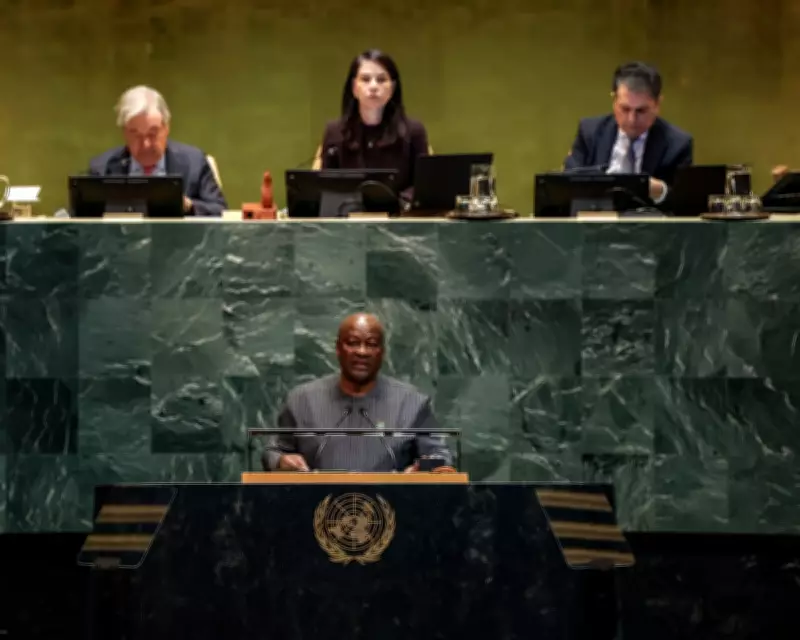
President John Dramani Mahama of Ghana addressed the assembly ahead of the vote, framing the resolution as "a pathway to healing and reparative justice" and "a safeguard against forgetting." The resolution urges concrete steps such as formal apologies, reparatory justice, and the return of looted cultural property. Despite overwhelming support from Africa, the Caribbean, and the global south, Western nations largely abstained, citing legal and procedural concerns.
Britain argued that the resolution created a "hierarchy of historical atrocities" and noted that the slave trade was not prohibited by international law at the time. Similarly, Ireland expressed reservations about the wording implying a hierarchy among atrocities. These objections have been criticised as a convenient way to avoid confronting the enduring legacy of slavery, which reshaped global economies and racial hierarchies.

Backlash and Political Reactions Highlight Deep Divisions
The resolution has sparked significant backlash, particularly from right-wing figures. Zia Yusuf of Reform UK proposed blocking visas from countries demanding reparations, framing such claims as opportunistic threats. Meanwhile, UK opposition leader Kemi Badenoch argued Britain should have voted against the resolution, characterising it as a demand for "trillions" from taxpayers.
This response reflects what critics call "imperial innocence"—profiting from slavery, compensating slave owners upon abolition, and then seeking moral credit for ending the system. Reparations are often caricatured as a financial raid, rather than an effort to address structural inequalities rooted in centuries of exploitation.
Caricom's 10-Point Plan and the Path Forward
The Caribbean Community (Caricom) has long advocated for a comprehensive approach to reparatory justice through its 10-point plan. This programme links formal apologies to practical measures like Indigenous development, public health initiatives, technology transfer, and debt cancellation. It treats slavery not as a historical footnote but as a source of ongoing developmental harm.
The UN resolution is seen as a "gamechanger" by Caricom's reparations commission, providing a platform to shift the debate from the margins to the centre. UN Secretary-General António Guterres used the occasion to call for action against slavery's legacies, including fairer participation for African countries in global financial systems.
Implications for Global Justice and Historical Accountability
The abstentions from former colonial powers like the UK and EU members reveal a reluctance to acknowledge perpetratorhood. Ireland's abstention is particularly noted, given its own history of colonial oppression. The resolution challenges the notion that demanding justice is unrealistic or impolite, insisting that silence amounts to submission.
While the resolution does not establish an enforceable reparations tribunal, it creates a moral and political framework for future discussions. It forces questions about debt, underdevelopment, museum collections, and trade structures into the open. As President Mahama emphasised, this moment is not about theatrical outrage but about establishing historical truth as a foundation for justice.
The vote demonstrates that truth can win in international forums, but the harder task remains: ensuring that former colonisers confront and address the lasting impacts of slavery. The resolution exposes who benefits from historical amnesia and reaffirms that justice delayed is not justice denied.