UN Women and UNFPA Merger Proposal Ignites Debate at Global Gender Summit
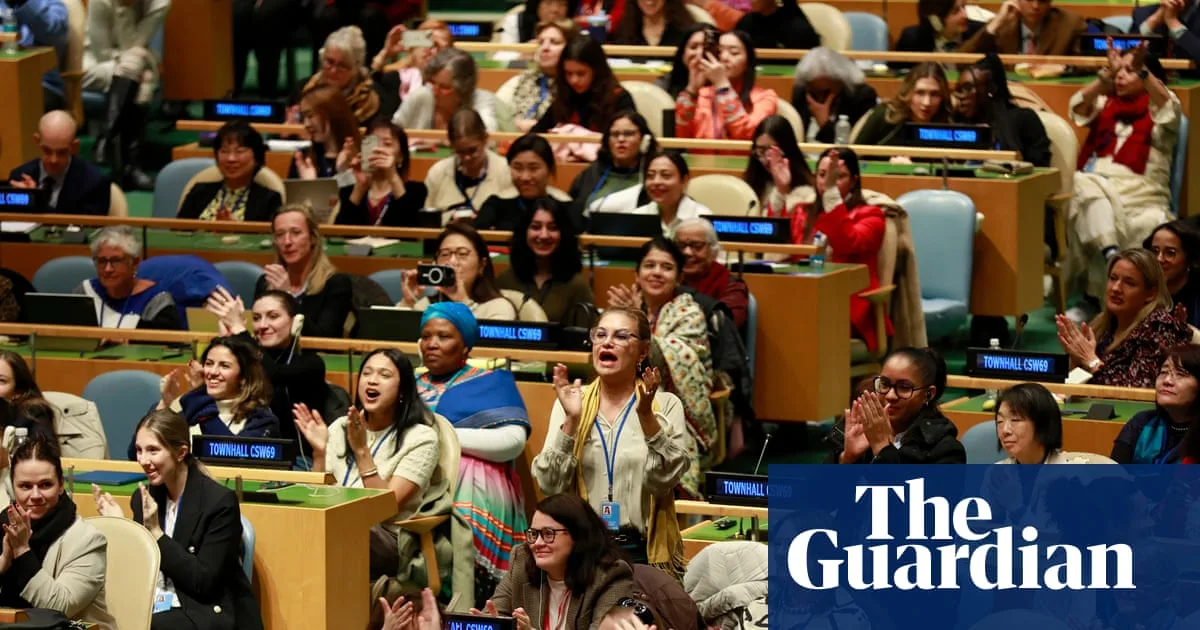
Thousands of international delegates are gathering in New York this week for the United Nations' annual Commission on the Status of Women (CSW), the world's largest meeting focused on women's rights. This event brings together government ministers, UN officials, NGO representatives, and activists to discuss the global state of gender equality and women's empowerment, with a particular emphasis this year on strengthening access to justice.
Controversial Merger Plan Under Scrutiny
Amid calls from senior UN figures for intensified efforts to achieve gender equality, many attendees are questioning whether the UN risks diluting its own commitment to women and girls. The controversy centers on a proposal to merge UN Women, the agency dedicated to gender equality, with the UN's sexual and reproductive health agency, UNFPA. This plan, part of the UN80 initiative to reform the organization, aims to improve efficiency, reduce duplication, and create a single body for collaboration.
However, since its introduction last year, concerns have grown louder and more urgent. Women's rights groups and numerous member states fear that restructuring these agencies during a time of multiple global crises, declining aid levels, and a fierce rollback of rights represents a high-risk strategy.
Funding and Mandate Risks Highlighted
Jessica Stern, co-president of the Alliance for Diplomacy and Justice, warned that the current climate of backlash makes any destabilization of scarce resources dangerous. Critics argue that merging the two agencies could lead to reduced funding from donor countries, with severe consequences for vulnerable women and girls worldwide. Gita Sen, co-founder of the feminist network Dawn, noted that funders might see a merger as an opportunity to cut contributions, exacerbating already inadequate financial support.
Fadekemi Akinfaderin, chief global advocacy officer at Fòs Feminista, expressed frustration over the lack of alternative considerations, questioning why a heavy-handed approach is being taken in an organization built on consensus. In a report, Fòs Feminista suggested that larger savings could be achieved by merging other agencies, pointing out that UNFPA and UN Women have minimal overlap and relatively low budgets.
Political Threats and Anti-Rights Influence
The merger proposal faces significant political challenges, particularly from the United States. Under the Trump administration, the US has withdrawn financial support from both UNFPA and UN Women and advanced anti-rights agendas, such as the Geneva Consensus declaration and an expanded global gag rule. Ultra-conservative groups like the Centre for Family and Human Rights (C-Fam) have gained influence, lobbying at CSW with messages that frame human rights as ideological colonialism.
In regions like Africa and Latin America, these groups promote narratives that undermine reproductive rights, aligning with governments that have shut down or downgraded women-focused ministries. Beth Schlachter of MSI Reproductive Choices described the merger as a potential tactical assault on hard-won gains.
Global Pushback and Advocacy Efforts
In response, an alliance of over 500 rights organizations and nearly 100 individuals has signed an open letter to UN Secretary-General António Guterres, urging the UN to safeguard sexual and reproductive health rights (SRHR). The letter warns that without explicit articulation, SRHR risks being deprioritized or rendered invisible in broader mandates. Member states including the UK, Sweden, Brazil, and Germany have also expressed concerns at recent UN meetings.
While UN Women's executive director, Sima Bahous, has assured that the agency's mandate remains comprehensive, many advocates remain skeptical. Stern characterized the proposal as naive, and Akinfaderin suggested that the UN might be willing to compromise gender equality due to US funding pressures.
Uncertain Future and Determined Voices
As the UN continues to assess the merger's benefits, with a report yet to be published, the outcome remains uncertain. What is clear is that opinions are strong, and women's rights advocates are determined to use the CSW platform to make their voices heard. The debate underscores the fragile state of global gender equality efforts in an era of political and financial challenges.