Global Anxiety Peaks as Trump's Iran War Threats Trigger 3am Dread Worldwide
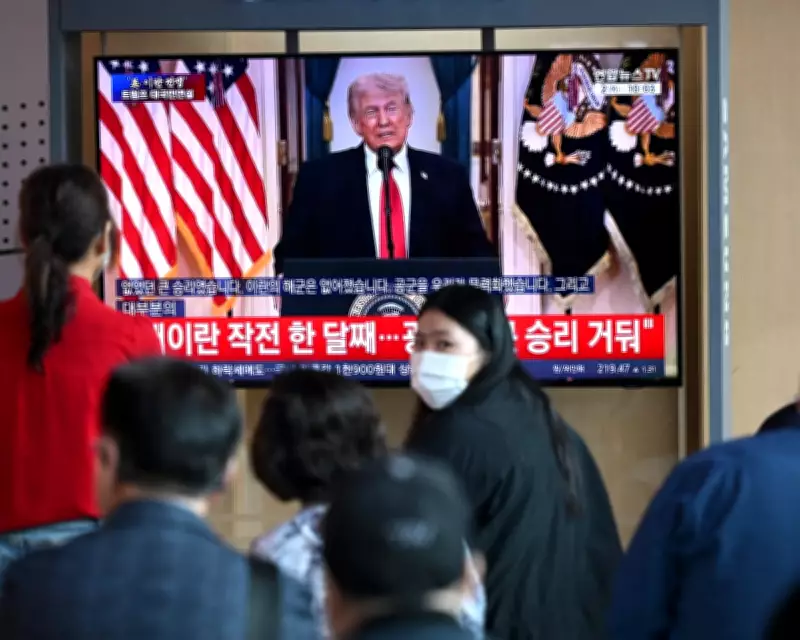
In Seoul, South Korea, commuters gathered at a train station on 2 April, watching a live broadcast of US President Donald Trump delivering an address about the war on Iran. This scene, captured in a photograph by Jung Yeon-Je, symbolizes a world gripped by what many describe as "3am dread"—a pervasive sense of horror and captivation as global events spiral under an unpredictable US presidency.
The Unhinged Reality of Global Leadership
Amid the daily horror show in the Middle East, there is a growing realisation that the so-called adults in the room are either insane, powerless, or just as bewildered as ordinary citizens. This feeling, reminiscent of the early days of the Covid pandemic, involves absorbing and accommodating once-unimaginable events, from casual nuclear threats on social media to religious mockery by world leaders.
It is waking up at 3am to check if nuking another country has been threatened on Truth Social, or lying awake pondering Trump's Easter Sunday post: "Open the Fuckin' Strait, you crazy bastards, or you'll be living in Hell - JUST WATCH! Praise be to Allah." This erratic behavior leaves many wondering if the president has gone fully crazy, is demented, or is dead serious—reflecting a new, unsettling normal.

Economic and Humanitarian Fallout
The crisis extends beyond political rhetoric, with real-world impacts felt globally. The Strait of Hormuz, a key shipping lane carrying 20% of the world's oil and up to 30% of internationally traded fertilisers, has become a flashpoint, with both the US and Iran blocking it. This disruption threatens to spike petrol prices, interest rates, and grocery costs, pushing already strained economies toward recession.
In Australia, financially stretched households face sharp price rises in fuel, building materials, and essentials. Meanwhile, humanitarian disasters unfold with little attention: in Lebanon, civilians were the main casualties after Israel bombed over 100 sites in 10 minutes, killing hundreds, and in Minab, a US missile hit a school, killing 168 people, including more than 100 children. Violence persists in Gaza despite ceasefires, with civilians starving and malnourished.
A Cascade of Existential Threats
As this crisis accelerates, other urgent issues—like the climate crisis, a strong El Niño summer, AI taking jobs, and the Epstein files—have become secondary concerns, highlighting the heightened nature of global events. Friends and communities express bewilderment, asking, "Can someone please turn the history machine off? I need a break from all the huge events we're living through."
There is an impulse to switch off and protect mental health, yet this crisis feels different. It may be the closest the world has come to World War Three since the Cold War, with economic effects impacting billions, including the poorest nations unable to afford fuel premiums. The fraying of US moral authority and alliance agreements has made the world far less safe, demanding informed attention from all.
Echoes of Pandemic Anxiety
This "funny feeling"—of 3am wakings, browser refreshing, and doomscrolling—is most reminiscent of the early Covid days. However, the current threat is more diffuse and Hydra-headed, requiring more than a scientific breakthrough to control. As global anxiety surges, with more people seeking therapy for war-related stress, the need for collective awareness and action has never been more critical.