Three Signs WW3 Is Unlikely as China and Putin's True Stances Emerge
The ongoing conflict between the United States, Israel, and Iran continues to intensify, with the global community anxiously monitoring for any indications of further escalation or potential calm. Former NATO deputy supreme allied commander Richard Shirreff has described this as "the most perilous moment in geopolitics in his lifetime", warning that the situation has already spiralled out of control. Many fear that unpredictable leaders like Russia's Vladimir Putin, North Korea's Kim Jong Un, and China's Xi Jinping are poised to exploit the chaos to advance their interests in regions such as Europe, South Korea, and Taiwan.
UK Public Opinion and Global Tensions
The United Kingdom has largely remained on the sidelines of the conflict, much to the frustration of President Donald Trump. Despite criticism from figures within Reform, direct involvement is unpopular among Britons. According to YouGov polling, only eight percent of the UK public supports active engagement, while 46 percent believe the UK should only defend itself when necessary. This cautious stance contrasts with the broader regional fallout, as Iran has launched retaliatory strikes against countries like the United Arab Emirates, Qatar, and Bahrain, stranding British citizens and closing vast airspaces.
Economic Shockwaves and Oil Market Turmoil
Financial markets are already reeling from Iran's closure of the Strait of Hormuz, a critical 31-mile-wide sea passage through which approximately 20 million barrels of oil passed daily last year. Iran has threatened to "set ablaze" any vessels attempting to traverse the strait, leading insurers to cancel policies for cargo ships and causing volatile swings in oil and gas prices. In response, the International Energy Agency, comprising 32 countries, has initiated its largest-ever release of oil reserves—400 million barrels, equivalent to about four days of global supply—to stabilise markets.

Leadership Changes and Military Threats
Following the US killing of former Iranian Supreme Leader Ali Khamenei early in the conflict, his son Mojtaba Khamenei, a 56-year-old hardliner, has assumed the role. The Islamic Revolutionary Guard Corps (IRGC), which he aligns with, has vowed to target "all military bases and interests of criminal America and the fake Zionist regime on land, at sea, and in the air across the region". While Iran's president has apologised to Arab neighbours for strikes, the IRGC maintains a aggressive posture, exacerbating tensions.
Expert Analysis: Reasons for Hope
International relations expert Professor Anthony Glees offers a nuanced perspective, suggesting that de-escalation is possible. "It takes two to tango, and the war against Iran will be 'complete' when the ayatollahs and their revolutionary guards call it a day", he explains. He notes that Iran continues to wield oil as a weapon, causing significant pain to the Western world. However, Professor Glees argues that Trump could declare victory prematurely to mitigate political fallout, especially given the unclear war aims.
China and Russia's Calculated Restraint
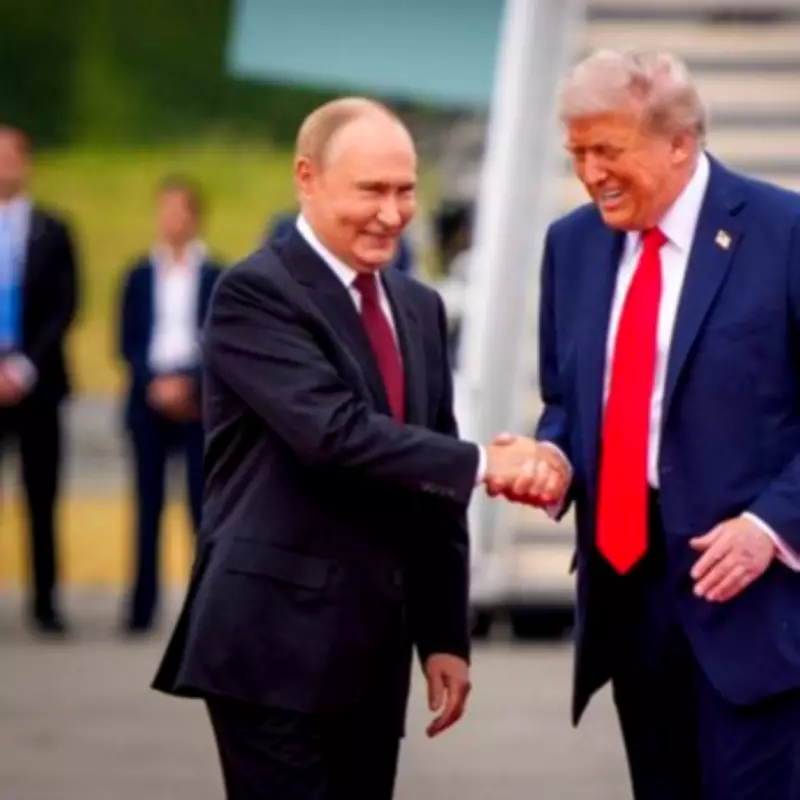
Despite being allies of Iran, neither China nor Russia have signalled intentions to engage directly with the US. Trump reported a "very good phone call" with Putin, who seeks US assistance in securing a favourable deal in the Ukraine war. Meanwhile, China is focused on resolving its trade war with America and safeguarding oil interests. Foreign policy analyst Yun Sun writes in Foreign Affairs that Beijing does not view regime change in Iran as a worst-case scenario, provided oil flows and economic interests are protected. "Only if these interests are threatened... will Beijing have to reconsider its place on the sidelines", Sun notes.

Strategic Benefits for Russia
Russia stands to gain economically from the disrupted oil supply, potentially selling fuel to China and India. Experts suggest that Moscow prioritises much-needed revenue for its own war efforts over loyalty to Iran. Professor Glees remarks, "Trump, worried sick about the impact of the oil war on MAGA USA voters, is going to let Putin export oil again. That's terrific news for the evil dictator in the Kremlin." Sergey Vakulenko of the Carnegie Russia Eurasia Centre echoes this, stating that the lockdown of a significant portion of global oil supply benefits Russia, as stranded Russian oil may now find buyers.
Conclusion: A Path Away from Global Conflict
While the situation remains volatile, the restrained positions of China and Russia, combined with economic pressures and domestic political considerations, provide signs that a full-scale world war may be averted. The upcoming meeting between Trump and Xi Jinping in late March could further facilitate détente, underscoring the complex interplay of interests that may steer the world away from catastrophic escalation.