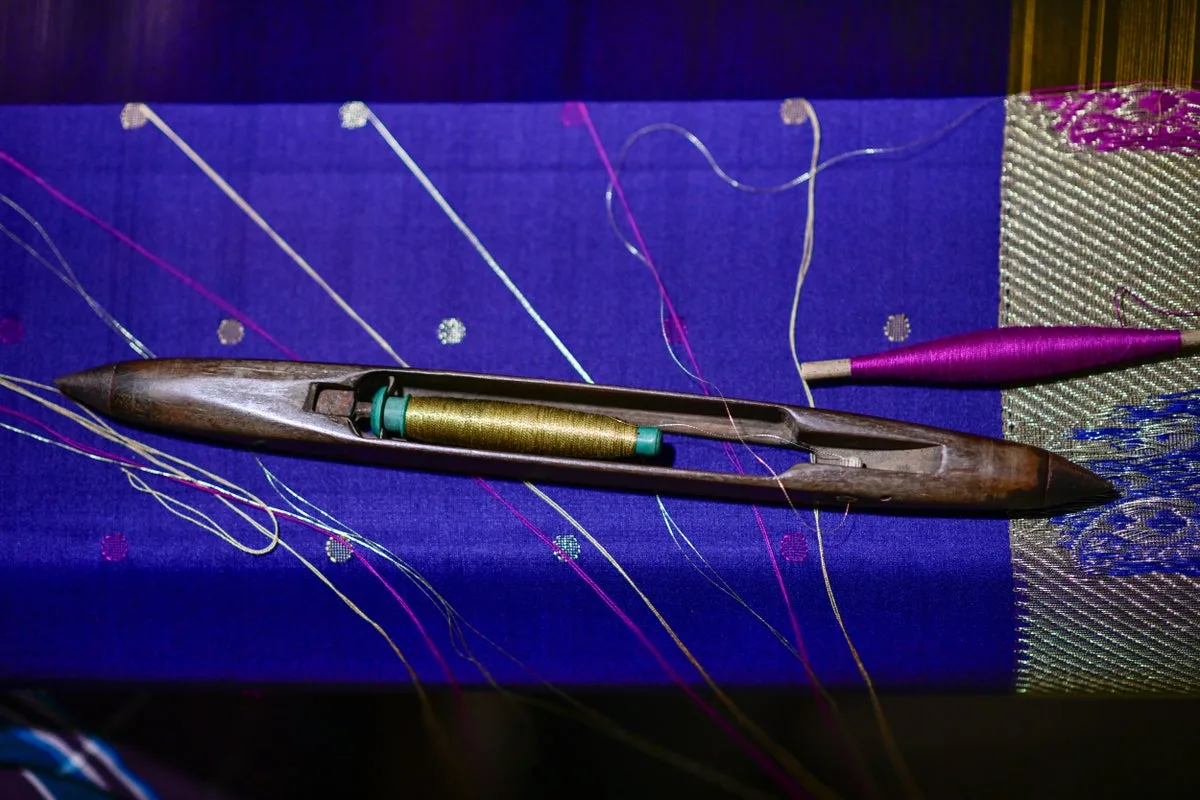
The rhythmic clatter of handlooms fills the air in neighbourhoods near Dhaka, where artisans weave the iconic Tangail saree, a vibrant symbol of Bangladeshi culture now in the running for global recognition.
A Craft Steeped in History and Culture
Named after the central Bangladesh district that is home to hundreds of weaver families, the Tangail saree is far more than just a garment. It is a cultural emblem, prominently displayed during festivals and wedding celebrations across the Indian subcontinent. Every piece represents a fusion of deep-rooted tradition and meticulous craftsmanship, featuring aesthetic designs and intricate motifs inspired by local heritage.
The production process is a family affair. Men typically handle dyeing the yarn, weaving the fabric, and creating the complex designs on the looms, while women contribute by spinning threads on traditional wheels. This year, the centuries-old art form was formally nominated for inclusion in UNESCO’s prestigious list of Intangible Cultural Heritage of Humanity.
Economic Lifeline Under Threat
Beyond its cultural significance, the Tangail saree industry provides a crucial livelihood for numerous weaver families. However, this vital craft faces significant existential threats. Soaring costs for raw materials, combined with intense competition from cheaper, machine-made alternatives, are squeezing the traditional market.
Perhaps more critically, there is a waning interest among younger generations to continue the family vocation. The economic pressures and the allure of other professions pose a serious risk to the transmission of skills and knowledge to future artisans.
UNESCO Status: A Beacon of Hope
For the community of handloom weavers, the UNESCO heritage status represents a beacon of hope. They believe that such international recognition would not only validate their craft on a world stage but also play a pivotal role in its preservation. The designation could help raise the profile of the saree, potentially opening up new markets, attracting cultural tourism, and inspiring renewed local pride and interest.
The weavers ultimately hope that this accolade will ensure their unique artistic legacy, honed over generations, is safeguarded and continues to thrive for centuries to come.