The Unraveling of Syria's Islamic State Detention Camps
Humanitarian organisations have consistently issued stark warnings about the detention centres in north-east Syria, describing them as a ticking timebomb that demanded urgent attention. For years, these facilities held tens of thousands of family members linked to suspected Islamic State (IS) fighters, with experts cautioning that the squalid conditions were fostering a new generation of extremists.
A Breeding Ground for Extremism
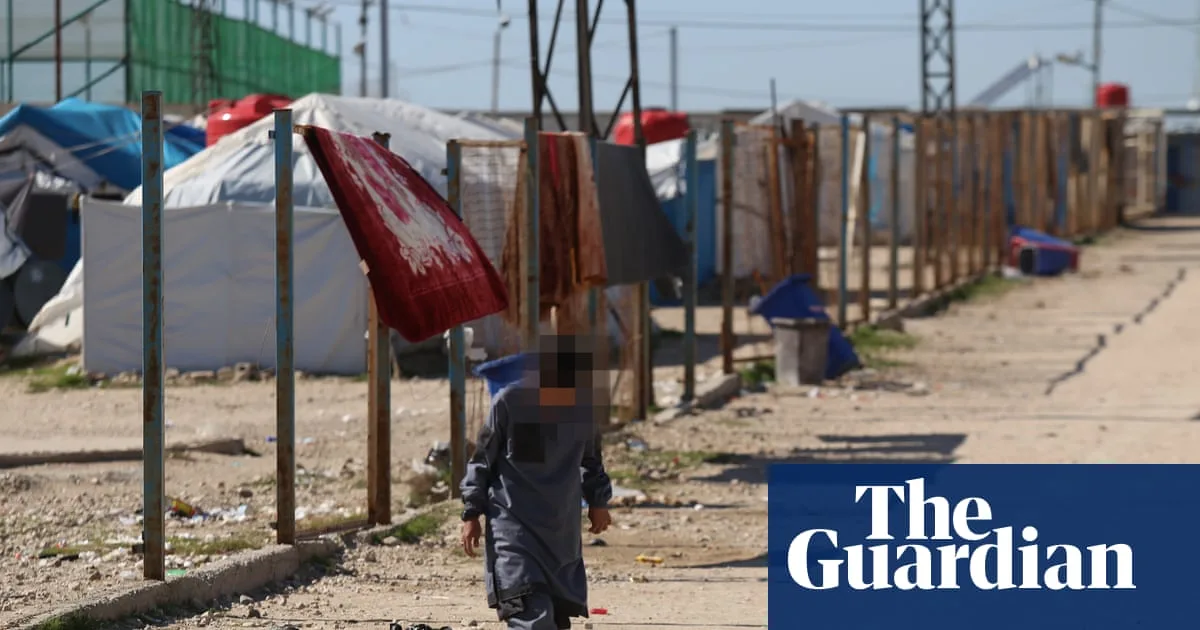
Security analysts have highlighted how camps like al-Hawl, once the world's largest prison camp housing approximately 25,000 individuals including 6,000 foreigners, became hotbeds for radical ideology. By confining IS-affiliated women and children in close quarters, authorities inadvertently created an environment where extremist beliefs could flourish. Humanitarians raised alarms over life-threatening conditions, where residents faced risks such as asphyxiation from burning coal in tents during harsh winters.
Chaotic Returns and Government Inaction
Despite these warnings, most states ignored pleas for repatriation, leaving at least 8,000 women and children from over 40 countries stranded since 2019. Recently, however, a disorganised process of returns has begun. For instance, a Belgian woman charged in absentia for IS membership and an Albanian woman kidnapped as a child have smuggled themselves from Syria to Turkey, seeking travel documents without government coordination.
In a significant development, Damascus took control of al-Hawl last month as part of its efforts to reclaim territory from the Kurdish-led Syrian Democratic Forces (SDF). This shift has led to the camp slowly emptying, with smugglers and foreign fighters retrieving residents, many of whom are now in Idlib province. Frustrated by governmental delays, family members have started organising returns independently, such as a convoy of 34 Australian women and children from al-Roj camp that was turned back due to lack of coordination with Syrian officials.
New Approaches and Lingering Dangers
Damascus appears to be adopting a different strategy, treating the camp as a child protection issue rather than solely a security concern. A new facility set up by Syrian authorities offers wifi and an open door, contrasting sharply with the heavily guarded conditions under SDF management. However, this transition has not mitigated the risks. Experts warn that the chaotic repatriation process places both citizens and countries in peril, opening doors to renewed recruitment by extremist groups like IS or exploitation through trafficking.
One foreign woman who escaped to Idlib was promptly kidnapped and ransomed, highlighting the vulnerabilities faced by those on the move. Many women express a strong desire to return to their home countries after years of detention, but governments now face a more complex challenge than when families were concentrated in camps. Pressure is mounting to release those still held in al-Roj, where figures like Shamima Begum reside, yet nations like the UK have resisted repatriation, opting instead to strip citizenship in some cases.
The Narrowing Window for Action
As the situation evolves, the opportunity for orderly management is rapidly diminishing. With thousands potentially roaming Syria, the risks of extremism and human trafficking escalate, underscoring the urgent need for coordinated international responses to address this humanitarian and security crisis.